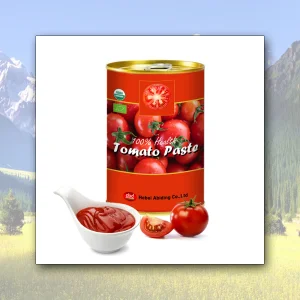
The global demand for high-concentration tomato paste and purees has grown dramatically over the past decade. No longer considered simple commodity condiments, these highly processed agricultural derivatives form the backbone of the global ready-meal, food-service, and beverage sectors. Factors like shifting consumer preferences toward clean labels, non-GMO ingredients, and functional diets are driving major innovations in processing technologies.
Currently, processing tomatoes represent a crucial sub-segment of global agriculture. Industrial buyers focus heavily on specific physical and chemical parameters—such as Brix levels (typically 28-30% Cold Break or 36-38% Hot Break), Bostwick viscosity values, and Howard Mould Count (HMC) limits. These characteristics dictate how the paste behaves during reconstitution into retail-ready ketchups, premium pasta sauces, and nutrient-dense tomato juices. Global trade patterns show that manufacturing sourcing decisions are shifting from localized purchasing to resilient, highly integrated supply chains capable of navigating climate fluctuations and geopolitical logistics challenges.
Industrial formulations demand exact viscosity parameters. Hot Break (HB) tomato paste offers high viscosity by destroying natural pectin-degrading enzymes during hot maceration, making it ideal for thick ketchups. Cold Break (CB) preserves color and fresh taste, crucial for juices and soups.
Global food manufacturing firms like Nestle require strict adherence to international safety metrics. This includes compliance with heavy metal limits, zero pesticide residues, and verified allergen control across all processing steps.
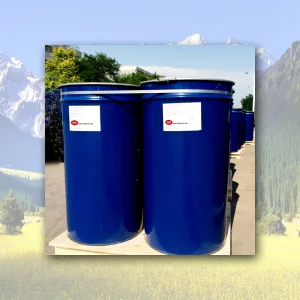
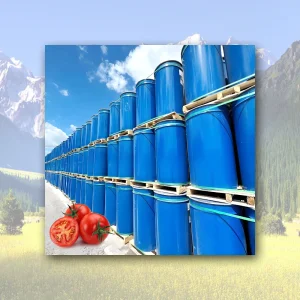
Large-scale processing requires hygienic bulk delivery. Aseptic bags in 220L steel drums and 1000L wooden IBC systems are standard. They shield the paste from oxygen degradation and bacterial contamination without the need for chemical preservatives.
China has solidified its position as a major powerhouse in global tomato processing, particularly through advanced manufacturing centers located in regions with ideal climates, like Xinjiang and Inner Mongolia. These areas benefit from unique geographical conditions: high daily solar radiation, significant temperature swings between day and night, and natural snowmelt irrigation. These factors naturally minimize pest pressures and result in raw processing tomatoes with exceptional lycopene levels, high sugar content, and low natural mold counts.
Under the China Factory 4.0 industrial paradigm, these processing centers have evolved from traditional packing plants into highly automated, data-driven smart factories. By deploying optical sorters, computerized evaporation systems, and real-time analytical monitors, modern Chinese exporters ensure every batch of tomato paste meets tight tolerances. This technological leap provides exceptional supply chain resilience, allowing facilities to rapidly adjust production parameters based on real-time raw material properties and precise customer specifications.
B2B buyers face complex challenges when sourcing tomato concentrates. Procurement teams must navigate strict quality requirements, regulatory compliance, and volatile shipping costs. To mitigate these risks, leading food brands seek out exporters that offer end-to-end quality assurance and certified food safety protocols.
Consumer demand is moving away from artificial additives. Verified organic status, including European Union (EU) Organic and USDA National Organic Program (NOP) certifications, is essential for high-end European and North American markets.
Top-tier global buyers require suppliers to pass independent third-party food safety audits, such as GFSI-recognized schemes, HACCP, and ISO 22000, ensuring every processing step is thoroughly documented.
Navigating global shipping routes requires partners with robust logistics operations. Top exporters provide comprehensive export documentation, custom packaging options, and real-time container tracking.
High-quality tomato paste is a highly versatile raw material used across many sectors of the modern food processing industry:
For high-viscosity ketchups, manufacturers prefer Hot Break (HB) tomato paste. The elevated natural pectin levels prevent water separation (syneresis), ensuring a smooth, premium mouthfeel and excellent shelf stability.
Cold Break (CB) tomato paste is ideal for commercial canning, instant noodle seasoning packs, and premade soups. Its bright red color and clean, natural flavor carry through to the final product.
Packagers buy bulk 220L drums of tomato paste to reconstitute and repackage into smaller, consumer-ready formats, including squeeze tubes, small tin cans, and flexible stand-up pouches.

Established in 2005, Hebei Abiding Co., Ltd. is a leading, professional supplier of premium foods and food ingredients in China. Over nearly two decades, we have built a comprehensive supply chain system covering raw material sourcing, state-of-the-art production, global sales, and dedicated after-sales support to deliver fully certified, reliable products worldwide.
Our core portfolio includes vegetable proteins, fruit and vegetable juices and purees, freeze-dried (FD) and air-dried (AD) fruits and vegetables, plant-based foods, and a wide range of functional food ingredients and additives.
As a certified EU & NOP organic products supplier with over 20 years of experience in the organic sector, we have consistently ranked as one of the largest exporters of organic tomato paste in China. We operate dedicated organic farms and advanced processing facilities in multiple provinces, ensuring our products comply with the highest international standards.
We have established long-term, stable business relationships with leading global customers and built a strong reputation in the industry. We are proud to be a qualified, audited supplier to Nestle and other world-renowned food brands.
Our Purpose: To provide customers with healthy, safe products and attentive service. We build fast, efficient management teams and reliable quality traceability systems to live up to our core values: "character, food, conscience, love."
Our Objectives: To grow in step with environmental protection and health trends, bringing together industry expertise to build an excellent enterprise.
 Abiding Food