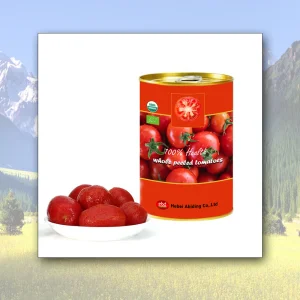
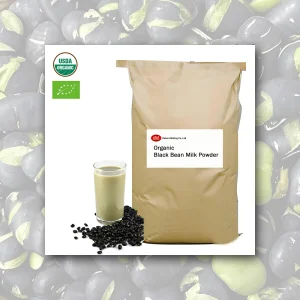
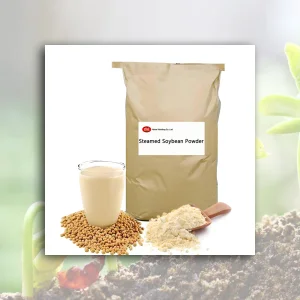
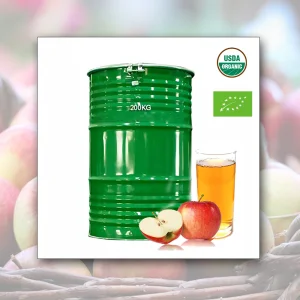
Discover our highly rated products engineered for worldwide export, meeting strict international standards.
In the global food commodity and seasoning markets, tomato paste is an absolute staple. Historically dominated by heavy canned packaging and large industrial bulk drums, the industry has undergone a monumental shift toward flexible, lightweight, and portion-controlled packaging formats. Today, the demand for sachet tomato paste has experienced exponential growth, driven by changes in consumer demographics, culinary habits, and logistics cost optimization.
Sachet tomato paste (typically sold in sizes ranging from 50g, 70g, to 100g, and in concentrations of 22-24% or 28-30% Brix) represents a massive market sector in developing regions, particularly throughout West Africa, the Middle East, Central Asia, and parts of Latin America. In these regions, small-unit packaging matches the purchasing power of the average consumer while bypassing the challenges of inadequate cold-chain infrastructure. Once a metal can is opened, the remaining paste degrades quickly under high temperatures; a single-use sachet, however, guarantees absolute freshness and zero waste per meal preparation.
Logistical Advantage: Sachet packaging reduces tare weight by up to 85% compared to tin plate cans. This yields a massive reduction in international ocean freight and inner-continental trucking costs, making sachet tomato paste the package of choice for global distribution networks.
Multi-layered laminated films (PET/AL/PE) protect the paste from light, oxygen, and humidity, offering a stable shelf-life of up to 24 months without refrigeration.
Low unit price points allow FMCG distributors to capture deep rural retail networks where bulk purchases are financially impractical for local families.
Each sachet is measured for standard regional dishes (such as a single pot of Jollof rice), eliminating post-opening spoilage risks.
Established in 2005, Hebei Abiding Co., Ltd. has grown to become a premium supplier of high-quality agricultural foods and food ingredients in China. Our integrated business mechanism encompasses organic raw materials cultivation, advanced paste manufacturing, global sales channels, and rigorous quality traceability.
As a certified EU & NOP organic products supplier with more than 20 years of hands-on experience in organic agriculture, we have been recognized as the largest exporter of organic tomato paste in China for consecutive years. To keep pace with dynamic global food compliance mandates, we maintain proprietary organic farms and specialized processing facilities across multiple provinces, ensuring that all supply chain phases adhere strictly to domestic and international bio-standards.
A Nestle-Approved Partner: We take pride in our strict quality assurance protocol, which has earned us the honor of being a qualified, audited ingredient supplier to Nestle and other leading global food corporations.

Why sourcing your sachet tomato paste from China's leading facilities ensures optimal margins, consistency, and food safety.

The raw tomatoes utilized for our pastes are harvested from key geographical bands in Northwest China (primarily Xinjiang and Inner Mongolia). These regions feature long daylight exposure (exceeding 15 hours daily), extreme diurnal temperature differentials, and mineral-rich snowmelt irrigation.
These unique environmental conditions yield raw tomatoes with exceptionally high Lycopene indices (over 50mg/100g), high natural sugar-to-acid ratios, and dry solid mass. This translates to paste that has a naturally deep red hue, thick consistency, and rich flavor, without needing any artificial additives or starch thickeners.
Modern Chinese factories operate continuous, fully automated evaporation and sterilization lines (utilizing European equipment such as Rossi & Catelli systems).
The integration of high-speed multi-lane sachet packaging machinery ensures aseptic filling and precise dosage control down to ±0.5 grams. Automated optical sorting systems monitor and eliminate defects instantly, achieving high throughput rates that lower unit costs while maintaining strict hygiene parameters.
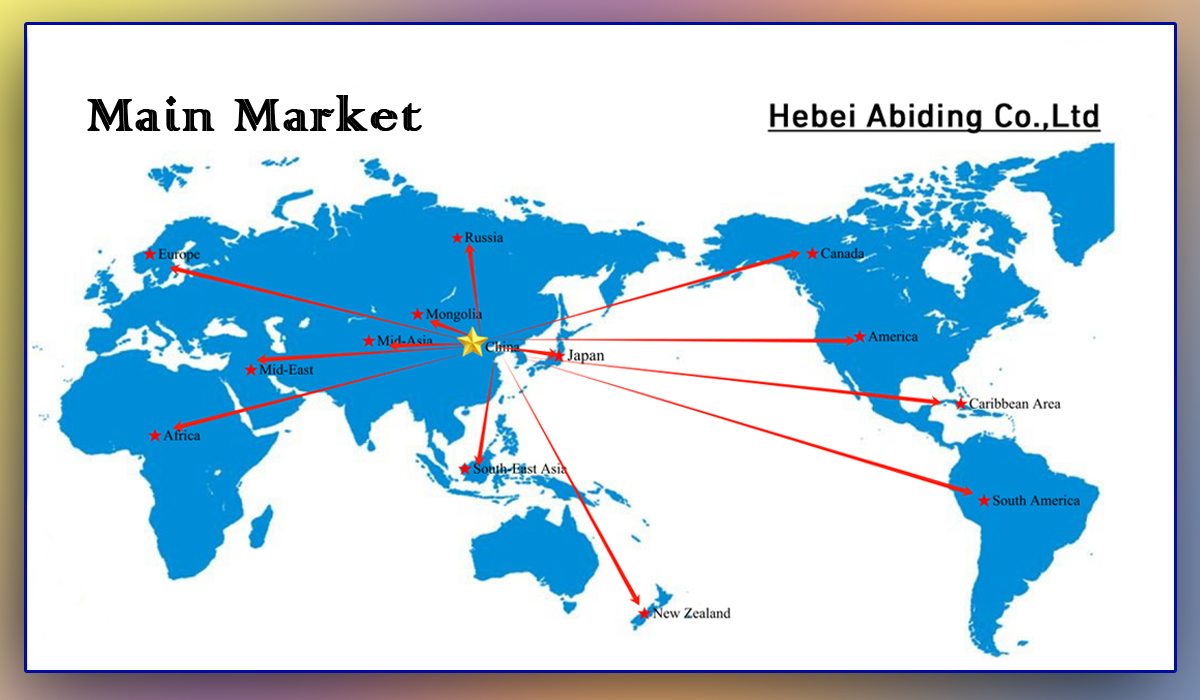
Our factories are backed by robust transport networks linking industrial zones directly to major maritime hubs like Tianjin and Qingdao ports.
This enables us to offer seamless container packing, rapid customs clearance, and cost-effective bulk shipping rates. B2B buyers benefit from reduced transit delays and predictable lead times, ensuring steady distribution schedules.
Every sachet of tomato paste we supply conforms to international B2B quality baselines, as outlined below.
| Parameter / Specification | Cold Break (CB) | Hot Break (HB) | Testing Methods / Compliance |
|---|---|---|---|
| Brix Level (Concentration) | 22-24% / 28-30% | 28-30% / 36-38% | Refractometer at 20°C |
| Lycopene Content | ≥ 50 mg / 100g | ≥ 60 mg / 100g | Spectrophotometric analysis |
| Bostwick Viscosity | 6 - 9 cm / 30 sec | 4 - 6 cm / 30 sec | Bostwick Consistometer |
| pH Value | 4.1 - 4.4 | 4.1 - 4.4 | Digital pH Meter |
| Howard Mould Count (HMC) | < 40% positive fields | < 40% positive fields | AOAC Standard Methods |
| Aseptic Fill Status | Commercial Sterile | Commercial Sterile | Microbiology incubation tests |
*Note: Specifications can be customized to match target market requirements. Private label (OEM/ODM) requests are accepted.
Tomato paste sachets are highly versatile, serving diverse culinary traditions and industry sectors worldwide:
Essential for preparing classic dishes like Jollof Rice, tomato stew, and Egusi soup. The deep color and high lycopene of our paste provide the rich, authentic red color expected by local consumers.
Widely used as a savory foundation for slow-cooked lamb shanks, vegetable tagines, and rich shakshouka sauces, adding deep umami flavor to regional stews.
Quick-service restaurant chains, flight kitchens, and remote work camps rely on portion-controlled sachets to manage food costs, prevent cross-contamination, and speed up prep times.
The global sachet tomato paste market is shifting in response to changing consumer preferences, technological advancements, and regulatory updates:
Global buyers increasingly demand "clean labels." Consumers want tomato paste that contains only fresh tomatoes and salt, with no added thickeners (like modified food starch), preservatives, or artificial coloring agents.
Traditional packaging uses aluminum-plastic composite films, which present recycling challenges. The industry is currently moving toward mono-material recyclable laminates and biodegradable barrier films to lower plastic footprints and align with global circular economy goals.
Organic certification is no longer niche—it is now a standard requirement for premium markets. Additionally, there is growing interest in functional formulations, such as low-sodium pastes and lycopene-fortified options.

Answers to common technical, logistical, and commercial questions from global B2B procurement professionals.
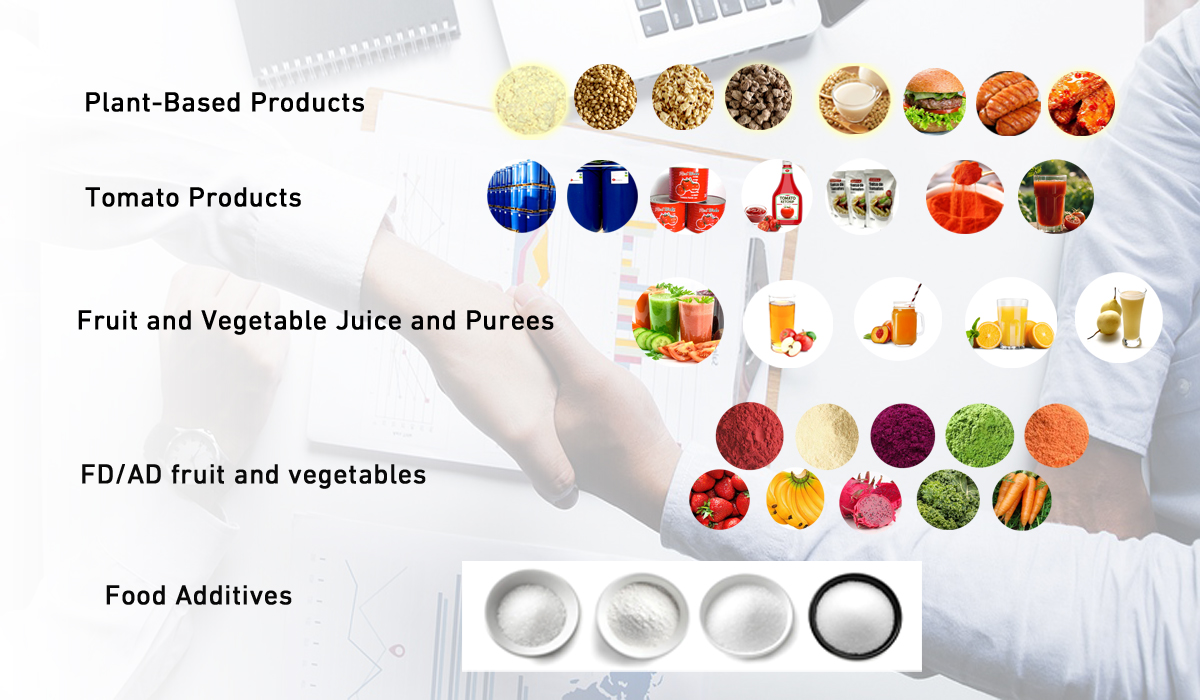
We offer a wide range of vegetable proteins, fruit concentrates, and plant-based food ingredients.
 Abiding Food