In the global agricultural processing market, quality, consistency, and chemical safety are the cornerstones of successful procurement. As a leading manufacturer and exporter, our operations are optimized to satisfy the rigorous demand standards of global food brands, fast-moving consumer goods (FMCG) corporations, and multinational foodservice systems.
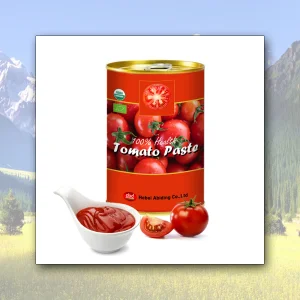
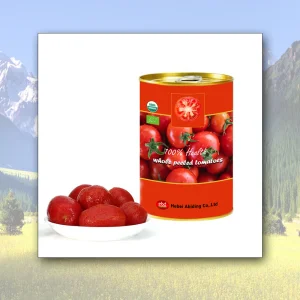
Through our comprehensive seed-to-shelf traceability programs and automated processing technologies, we ensure that every batch of canned diced tomatoes meets exact specifications for Brix value, vacuum integrity, firmness, and microbiological safety.
Years Industry Experience
Organic Certifications
Audit Approved Partner
Traceable Supply Chain
Understanding market growth drivers, global volume requirements, and systemic raw material dynamics.
The demand for processed tomato products is rising due to urbanization, the growth of quick-service restaurant (QSR) networks, and the expansion of the ready-meals sector. Canned diced tomatoes are a critical ingredient in high-throughput food manufacturing facilities, serving as the base for marinara sauces, soups, salsas, and prepared dishes.
With unpredictable weather patterns affecting agricultural yields in traditional zones like California and Italy, international buyers are diversifying their supply chains. China's processing hubs offer a reliable alternative, providing consistent product quality and price stability that help offset crop failures elsewhere.
Large food processors require tomatoes with specific pH levels, uniform dicing dimensions, and high firming capability. Modern canning operations utilize vacuum closures, precise thermal processing temperatures, and automated sorting technology to guarantee long-term stability and commercial sterility.
B2B buyers prioritize sustainability, looking for manufacturers that track carbon footprints, conserve water during processing, and source raw materials from farms certified for good agricultural practices. Environmental transparency is no longer optional; it is a core commercial requirement.

Our factory efficiency is driven by high-yield agricultural practices in regions with optimal daily temperature fluctuations and high solar exposure. These climate conditions yield raw tomatoes with rich natural sugars, high soluble solids, and intense lycopene content.
By integrating automated harvesting machines with fast transportation networks, the time from field harvest to final canning is reduced to less than 24 hours. This efficient process preserves the natural cell structure and texture of the diced tomatoes, minimizing the need for added artificial firming agents.
Canned diced tomatoes engineered for functional performance across different food sectors.
For large pizza chains and catering providers, performance consistency is vital. Diced tomatoes must maintain their structure without breaking down into puree during cooking. Our processing preserves the dicing shape, and our standard calcium chloride concentrations help keep the fruit firm under high-temperature baking.
Ready-meal manufacturers require ingredients that do not introduce excess moisture to recipes. We customize the packing media—whether juice or light puree—to control water activity levels, preventing dilution of final product flavors.
Meeting modern consumer demands for clean labels, zero additives, and nutrient-dense formulations.
Modern B2B customers prioritize labels that read clearly to consumers. Our canned diced tomatoes are produced without artificial colors, preservatives, or GMO ingredients. This clean-label profile fits easily into vegan, gluten-free, and keto diets, allowing brands to address diverse dietary requirements without sacrificing flavor or shelf life.
| Component | Per 100g serving |
|---|---|
| Caloric Density | ~ 21 kcal |
| Lycopene Content | > 9.5 mg |
| Soluble Solids (Brix) | 6.0% - 8.0% |
| pH Level | 4.0 - 4.4 |
| Sodium Content | < 0.1 g |
Our quality management system tracks production from soil testing to shipping port logistics. We monitor heavy metals, pesticide residues, and microbial levels closely, ensuring our products comply with standard regulations in Europe, North America, and East Asia.
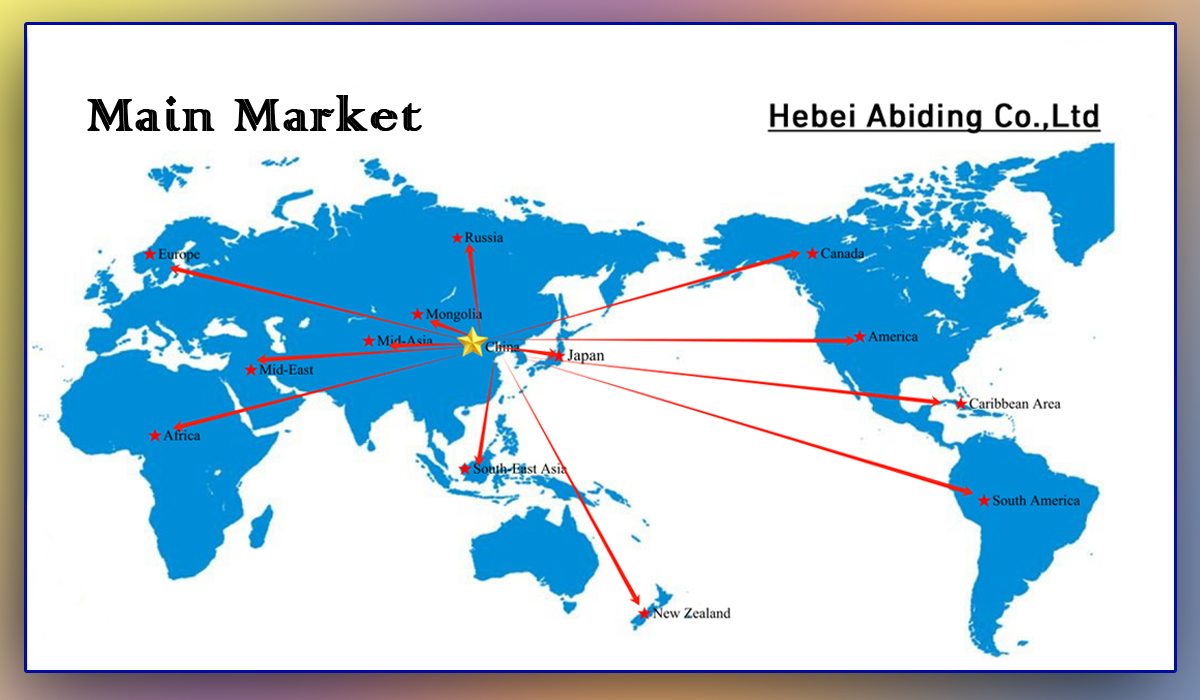
Whether exporting under private labels or supplying in large quantities, our logistics team manages customs documents, phytosanitary certifications, and shipping containers to ensure reliable delivery times and simplify your procurement process.
We continue to invest in sustainable farming and water-efficient processing systems. By working closely with local agricultural communities, we promote crop health and support environmental safety while keeping our supply chains reliable and competitive for our clients worldwide.

Key technical details, ordering guidelines, and quality standards for international buyers.
Our facilities carry BRC, HACCP, ISO 22000, and Kosher certifications. Additionally, our dedicated organic lines are fully certified to EU and USDA NOP organic standards, which are audited annually by accredited third-party bodies.
We use modern Urschel dicers to maintain clean, uniform cuts (standard sizes include 10x10mm and 15x15mm). During the canning process, we add food-grade calcium chloride to support the natural cell wall structure of the tomatoes, ensuring they remain firm during distribution and preparation.
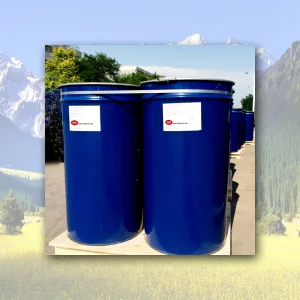
We support a range of packaging options for different food sectors, including 400g and 800g retail cans, 2.5kg and 3kg foodservice cans, and large 220L aseptic bags in drums for industrial processors.
Yes, our technical team can adjust Brix and pH targets to align with your production requirements. We test each batch using calibrated refractometers and pH meters to ensure the final product meets your precise parameters.
Each batch of finished product is marked with a unique tracking code. This code links to records showing the processing date, shifts, raw materials, and the specific farms where the tomatoes were harvested, providing a clear history for quality assurance.
 Abiding Food