Direct supply line featuring certified organic derivatives, pure concentrates, and premium wholesale food components.
The demand for processed tomato derivatives—most notably high-solids tomato ketchup and concentrated purees—is driven by a global shift toward high-efficiency food processing, QSR (Quick Service Restaurant) scaling, and clean-label formulation. Industrial ketchup production is not merely a recipe process; it is a discipline of chemical and mechanical logistics. Raw tomato concentration, measured in soluble solids (Brix), is the foundation of quality. Major consumer brands require an exact viscosity profile, measured using a Bostwick consistometer, to guarantee consistent application rates across bottling lines and single-serve packaging lines.
Globally, agricultural zoning plays a massive role in supply chain security. Large-scale processors require regions with optimal diurnal temperatures, low rainfall during the ripening period (to prevent mold like Alternaria), and robust regional water infrastructure. This ensures that the primary chemical parameters of the harvested tomatoes—mainly acidity (citric acid equivalent) and lycopene values—are consistent year-round, regardless of weather fluctuations.
Precisely matching Cold Break and Hot Break paste characteristics with shear rates ensures uniform flow behaviors across all bottling systems.
Securing specific red-color metrics via targeted chromatic measurements (a/b ratio above 2.0) to deliver consumer-pleasing visual depth.

Our raw tomato materials are sourced primarily from areas with high solar radiation and low rainfall, such as Xinjiang and Inner Mongolia. In these optimal microclimates, the tomato crops thrive with minimal crop intervention, resulting in high sugar content, high brix levels, and exceptional color intensity. By centering processing facilities directly near these cultivation sectors, we eliminate long haulage times, maintaining the freshness of the harvested tomatoes and preventing cellular breakdown before hot or cold extraction begins.
Advanced factory lines operate multi-stage evaporator loops (such as Alfa Laval forced circulation evaporators) which extract moisture at lower temperatures under vacuum. This protects the native pectin molecules and retains natural tomato color without resorting to artificial coloring agents. Consequently, our bulk processing delivers superior Bostwick values and Howard Mold Counts (HMC) well under the rigid thresholds set by Western regulatory agencies.
"Integrating continuous automated optical sorting lines and inline viscosity analyzers guarantees that every batch shipped to global repackaging facilities meets or exceeds BRCGS and IFS Food requirements."
A twenty-year track record of supplying certified organic inputs and plant-based foods to leading global FMCG conglomerates.
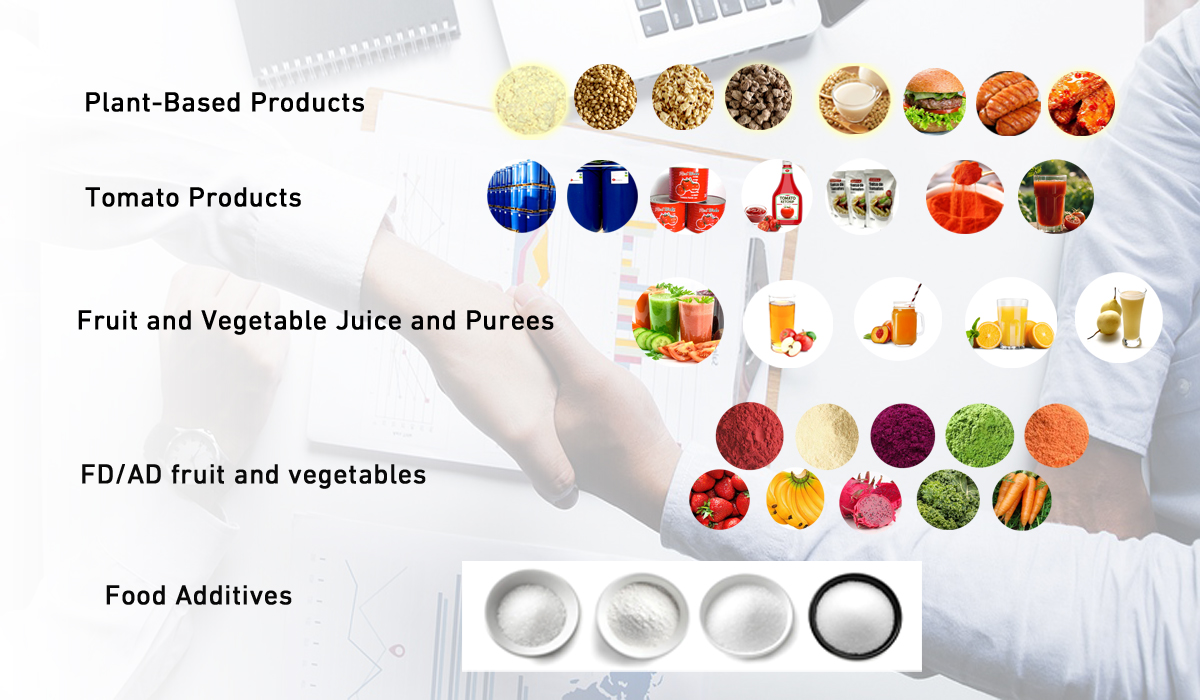
Hebei Abiding Co., Ltd., established in 2005, is a professional supplier of foods and food ingredients in China. We have developed a comprehensive processing and supply chain mechanism that integrates raw material sourcing, state-of-the-art production, rigorous quality testing, and dedicated after-sales service. This thorough setup ensures that we consistently deliver qualified products that meet the dynamic and demanding requirements of our global customers. Some of our core products include vegetable proteins, fruit and vegetable juice concentrates and purees, FD/AD fruit and vegetables, plant-based foods, and various high-grade food ingredients and additives.
As a certified EU & NOP organic products supplier with more than 20 years of experience in organic food fields, we have been ranked the largest exporter of organic tomato paste in China for many years. We operate dedicated organic farms and processing facilities in different provinces in China, ensuring all operations strictly comply with international organic standards.
Consumers increasingly seek healthy, safe, and nutritious foods. High-protein, high-fiber, low-calorie, vegan, GMO-free, gluten-free, and keto-friendly products have become industry standards. Leveraging our extensive organic farming experience, we have successfully developed special formulations to meet these specific dietetic parameters.
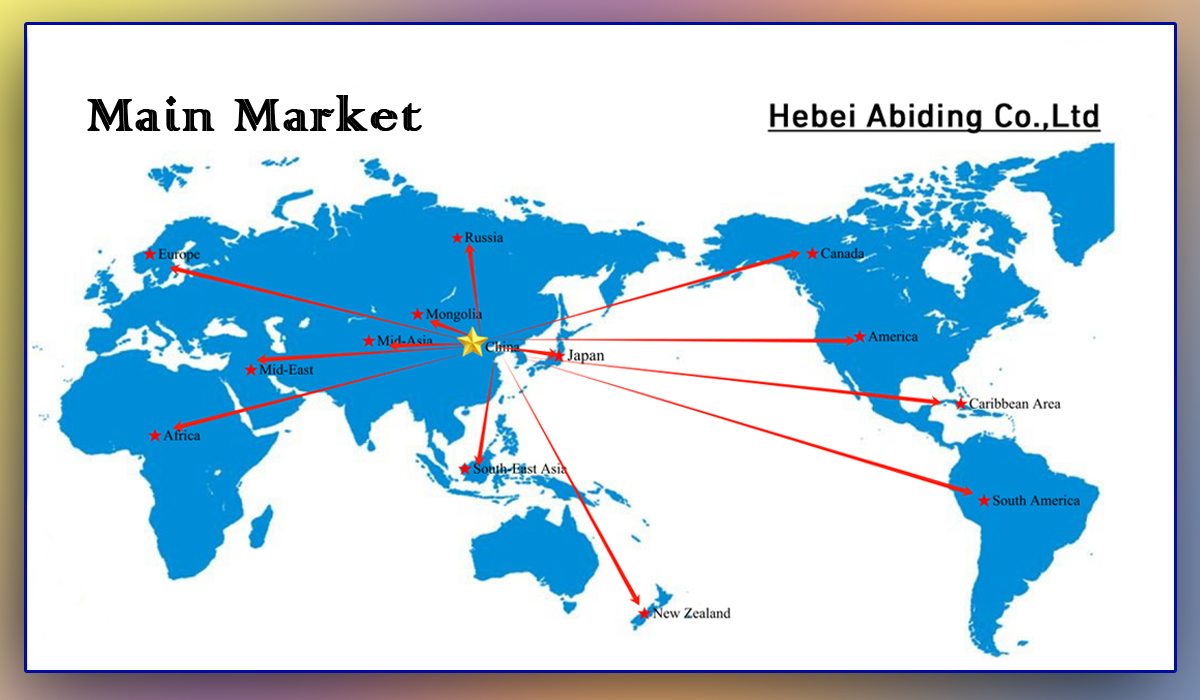
We have established long-term and stable business cooperation with many customers around the world, earning a strong international reputation. We are proud to be a qualified supplier certified by Nestlé and other world-famous food manufacturers, sharing the value of safe food production globally.
To provide customers with healthy and safe products and dedicated services. We survive by quality and develop by characteristics, backed by an efficient management team and a robust batch-traceability system. "Character, food, conscience, love."
To synchronize our operations with environmental protection, clean nutrition, and collective wisdom. We seek long-term common development and strive to build an excellent enterprise that benefits both our global clients and the environment.
Understanding how bulk ketchup and tomato paste are processed across regional food service channels.
Fast-food franchises require high-stability tomato ketchup capable of dispensing through automatic pump systems. The viscosity must remain stable across different temperatures to avoid drip issues.
FMCG brands use tomato bases in ready-meals, pizza spreads, and canned pastas. The concentrate must survive high retort temperatures without losing its color or separating.
We supply bulk paste for packaging into glass bottles, plastic squeeze tubes, and retail pouches. Viscosity is adjusted to match targeted local demographics.
Technical metrics ensuring process consistency and compliance across international supply chains.
| Analytical Parameter | Cold Break (CB) Specification | Hot Break (HB) Specification | Testing Methods / Standards |
|---|---|---|---|
| Soluble Solids (Brix) | 28 - 30% / 36 - 38% | 28 - 30% / 30 - 32% | Refractometer at 20°C |
| Bostwick Viscosity | 6.0 - 9.0 cm / 30 sec | 4.0 - 6.0 cm / 30 sec | Bostwick Consistometer (12.5% Brix) |
| Howard Mold Count (HMC) | < 40% of positive fields | < 35% of positive fields | AOAC Official Method 965.41 |
| Acidity (as Citric Acid) | 1.8% - 2.4% | 1.5% - 2.0% | Titration to pH 8.1 |
| pH Level | 4.0 - 4.3 | 4.1 - 4.4 | Digital pH Meter |
| Lycopene Content | > 50 mg / 100g | > 60 mg / 100g | Spectrophotometric analysis |
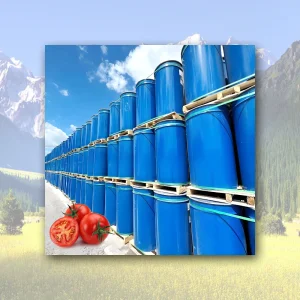
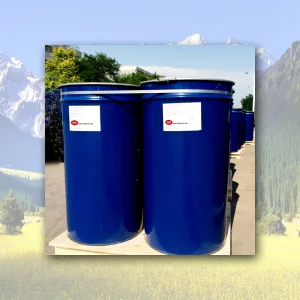
| Aseptic Packaging | 220L Bag-in-Drum / 1000L IBC | 220L Bag-in-Drum / 1000L IBC | Aseptic heat-sealed barriers |
The condiment sector is evolving past standard sweet and sour profiles. Global consumers now look for regional authenticity, transparency in ingredient sourcing, and reduced chemical processing. The demand for organic tomato paste is growing fast, driven by EU initiatives for cleaner agriculture and consumer demand for pesticide-free food.
At the same time, food science laboratories are focusing on natural sugar reduction. Instead of using high-fructose corn syrup (HFCS), modern ketchup brands are turning to alternative sweetening agents, dietary fibers, or using the natural sweetness of premium tomatoes. This requires raw tomato paste with naturally low starch levels and balanced acidity to maintain the traditional mouthfeel and storage stability of the sauce.
Expert answers addressing the technical aspects of global tomato sauce procurement.
Expanding processing lines with nutritious, high-protein, and clean-label alternatives.
 Abiding Food