Delivering high-purity, traceable food ingredients engineered to comply with European Commission, NOP-USDA, and multinational corporate standards.
The global shift toward plant-based nutrition has elevated organic pea protein from a niche vegan alternative to a mainstream macro-ingredient. Extracted from the yellow field pea (Pisum sativum), pea protein provides a unique combination of functionality, clean label appeal, and ecological sustainability. As carbon neutrality targets force global food developers to rethink animal protein reliance, pea protein has emerged as the premier clean-label solution due to its lack of allergens and high nutritional profile.
Major B2B markets in North America, Western Europe, and Asia-Pacific are increasingly demanding NOP-USDA and EU Organic certified pea protein. Buyers are not only looking for a high protein percentage but also focus on critical attributes like low heavy metal content, pesticide-free verification, zero-GMO contamination, and strict microbial controls.
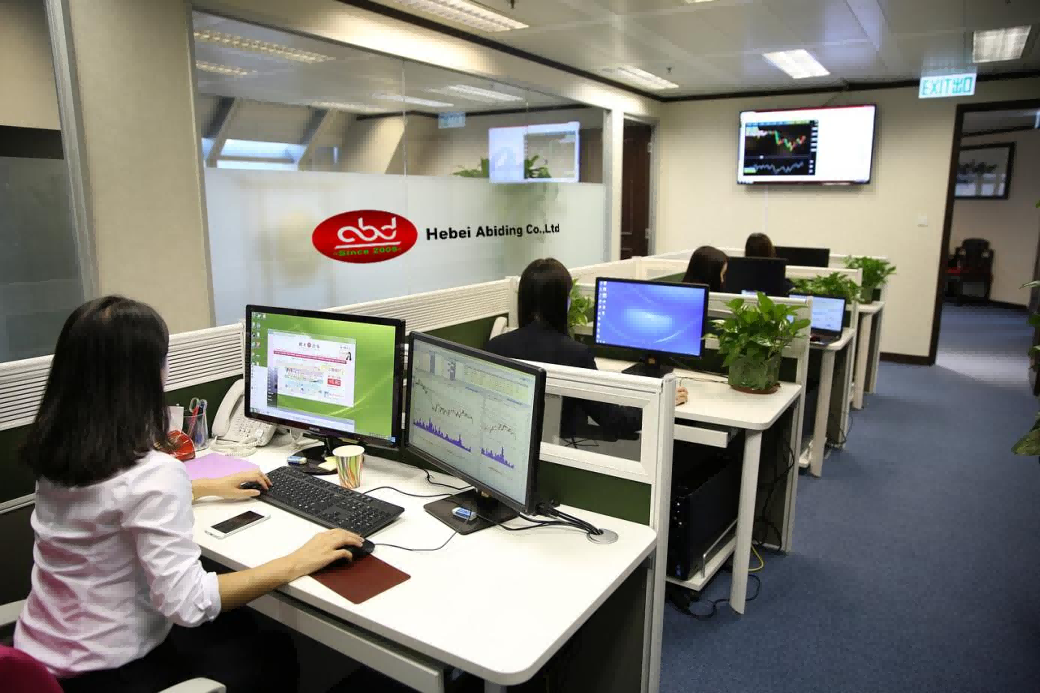
Combining agricultural tradition with modern processing technologies to build secure, transparent supply chains for global brands.
With over two decades of processing experience in the organic sector, we have built a robust infrastructure of verified farms and manufacturing plants across China, strictly adhering to global organic standards.
As a verified and qualified supplier to Nestle and other global food conglomerates, our manufacturing protocols, allergen control systems, and batch traceability comply with the most stringent global standards.
From initial seed selection and organic crop cultivation to advanced membrane separation and clean-room packaging, we manage the entire value chain to offer competitive raw material solutions.
Understanding how manufacturing technology affects product performance: From raw seed selection to the final spray-dried organic protein powder.
We use dry milling and wet-milling methods to isolate starch, fiber, and protein components from organic yellow peas without using chemical solvents like hexane, maintaining a clean label profile.
Using precise pH adjustments, our system precipitates the protein at its isoelectric point. This preserves the protein's native structure, ensuring optimal gelation and water binding in final applications.
Our low-temperature spray drying systems evaporate moisture rapidly while minimizing heat stress on the proteins. This process produces a fine, highly soluble powder with neutral sensory characteristics.
Standard commercial specifications for food formulation, product development, and quality assurance divisions.
| Parameter Category | Target Specifications | Method / Standard Compliance |
|---|---|---|
| Protein Content (Dry Basis) | ≥ 80.0% / ≥ 85.0% | Kjeldahl Method (N × 6.25) |
| Organic Certifications | NOP-USDA & EU Organic Certified | Annual third-party audits by KIWA / Ecocert |
| Moisture Content | ≤ 8.0% | 105°C Oven Drying method |
| Heavy Metals (Pb, As, Cd, Hg) | Lead ≤ 0.2 ppm, Arsenic ≤ 0.2 ppm, Cadmium ≤ 0.1 ppm | ICP-MS analysis, European Commission Compliance |
| Microbiology Controls | TPC ≤ 10,000 cfu/g, Yeast & Mold ≤ 100 cfu/g, E. Coli Negative | ISO standard microbiological assays |
| Pesticide Residue | Complies with USDA / EU Organic Standards | Gas/Liquid Chromatography mass spectrometry (GC-MS/LC-MS) |
From nutritional supplements to meat alternatives: How different industries use our organic pea protein.
Our pea protein isolate provides the emulsification, water-retention, and oil-binding properties needed for meat alternatives. The high gel strength helps create realistic fibrous textures in plant-based burger patties, sausages, and ground meat substitutes.
Pea protein isolate has an excellent amino acid profile and is rich in branched-chain amino acids (BCAAs: leucine, isoleucine, and valine). It is a popular option for clean-label, plant-based sports recovery shakes, nutritional bars, and meal replacement powders.
For oat milk, almond milk, and yogurt formulations, our low-odor, highly soluble pea protein helps boost overall protein levels. It disperses easily without altering the texture or mouthfeel of the finished beverage.
By blending our pea protein with cereals and grains, baking companies can increase protein content while achieving a complete amino acid profile. It also helps improve moisture retention and crumb softness in gluten-free baked goods.
Staying ahead of global consumer shifts and technical developments in the plant-based food industry.
Global buyers are moving away from ingredients processed with harsh chemicals or synthetic additives. Consumers want simple ingredient lists. Hebei Abiding Co., Ltd. addresses this demand by using clean extraction methods. Our plant protein isolates are produced without using chemical solvents like hexane or synthetic acids, providing a clean label profile for health-focused consumer brands.
The characteristic "beany" flavor of legumes can be a challenge for food formulators. The plant-based industry is focusing on physical flavor-masking technologies, mild fermentation, and careful temperature management during spray drying to reduce off-notes. These techniques result in a more neutral-tasting base powder, allowing formulators to use less sugar, sodium, or artificial flavor maskers in their final products.
European Union regulations (such as corporate sustainability due diligence) and global ESG initiatives require supply chain visibility from farm to table. Because field peas naturally fix nitrogen, they improve soil health and require fewer chemical fertilizers. We trace our pea protein batches back to the organic farming co-ops where they were grown, helping buyers document the sustainability metrics of their raw ingredients.
Get answers to technical questions about solubility, heavy metals, shelf life, and certification protocols.
We manage heavy metal contamination through source control and regular testing. Our organic yellow peas are grown in selected agricultural areas in northern China, away from heavy industrial centers, where the soil is naturally low in lead and cadmium. Every batch of harvested peas undergoes raw material testing. During processing, we use stainless steel equipment and food-grade water purification to prevent cross-contamination. Third-party laboratories test each production lot using ICP-MS to verify compliance with FDA and European Commission standards (typically keeping Lead below 0.2 ppm and Arsenic below 0.2 ppm).
Our organic pea protein isolate has a Protein Digestibility-Corrected Amino Acid Score (PDCAAS) of approximately 0.78 to 0.85, depending on the specific batch and crop yield. It contains all nine essential amino acids. Because it is slightly low in methionine, blending it with grain proteins (like organic brown rice protein) creates a complete amino acid profile with a PDCAAS of 1.0. This makes it an ideal ingredient for sports nutrition products and high-protein food formulations.
No. Our organic pea protein is naturally hypoallergenic and free from the major allergens designated by the FDA and EU (such as soy, dairy, gluten, wheat, peanuts, and tree nuts). It is processed in a facility that does not handle allergens, preventing cross-contamination. Additionally, we only source non-GMO yellow peas, and our organic certifications verify that no GMO seeds or processing aids are used at any stage of production.
Our standard organic pea protein isolate is designed for neutral pH beverages (pH 6.5–7.5), showing solubility of 70% to 80% with proper high-shear mixing. In acidic environments (pH 3.5–4.5), proteins can approach their isoelectric point, which may cause precipitation. For low-pH applications, we offer customized lecithinized or partially hydrolyzed pea protein grades. These grades provide better dispersion, reduced sedimentation, and a smoother mouthfeel in acidic formulations.
Our organic pea protein has a shelf life of 24 months from the manufacturing date, provided it is kept in its original, unopened packaging. It should be stored in a cool, dry warehouse (relative humidity below 60%, temperature under 25°C) away from direct sunlight, moisture, and strong odors. We package our protein in multi-wall paper bags with food-grade polyethylene inner liners to protect against moisture and preserve quality during long-distance shipping.
 Abiding Food