Discover our primary bulk tomato solutions and high-quality liquid products designed for international enterprise food formulas.
Established in 2005, Hebei Abiding Co., Ltd. has grown into a world-class professional supplier of high-quality foods and industrial food ingredients in China. Over nearly two decades, we have engineered a seamless supply chain infrastructure that bridges agricultural cultivation, state-of-the-art production, precision quality control, global exporting, and dedicated after-sales services.
As an elite partner to international corporations, we are proudly recognized as a qualified supplier certified by Nestlé and other renowned global food giants. Our core product portfolio features a comprehensive range of premium vegetable proteins, industrial fruit and vegetable juices and purees, freeze-dried (FD) and air-dried (AD) vegetables, and clean-label plant-based additives.
We operate in strict accordance with the highest international regulatory and food safety parameters. Operating certified organic farms and processing facilities in multiple provinces across China, we ensure all products comply rigorously with EU and NOP organic protocols. This vertical integration allows us to remain the largest exporter of organic tomato paste in China for consecutive years.
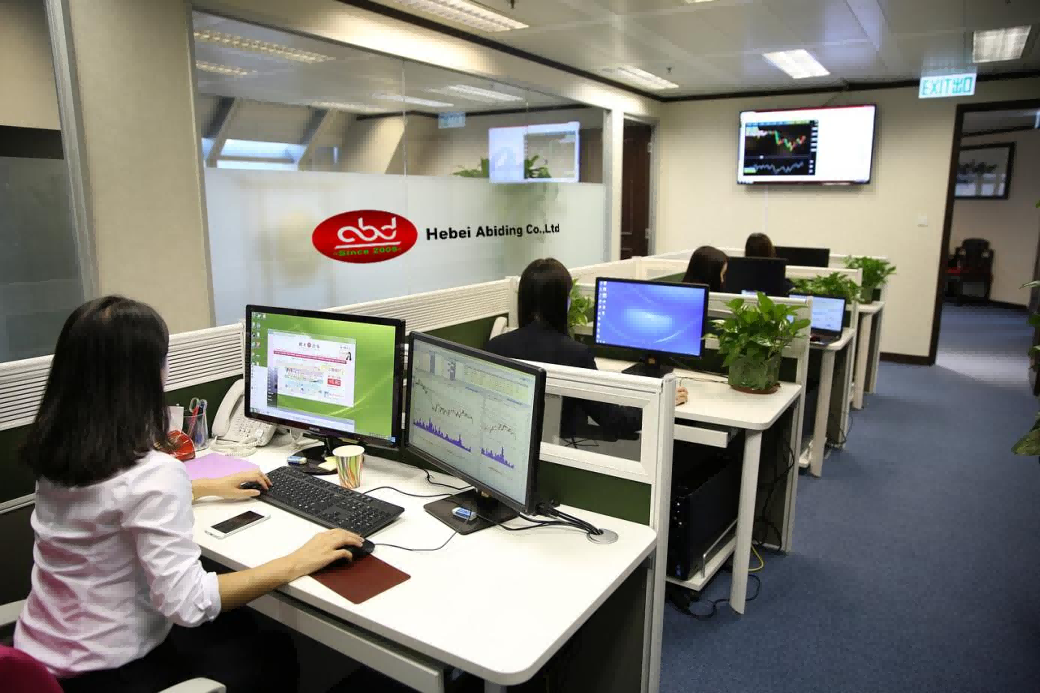
Why the world’s leading food brands trust our manufacturing and export operations.
Over 20 years of hands-on organic compliance. Fully traceable supply chain, from seed selection to bulk packaging.
Strict allergen control, heavy metal prevention, and chemical residue management systems audited by global third-party inspectors.
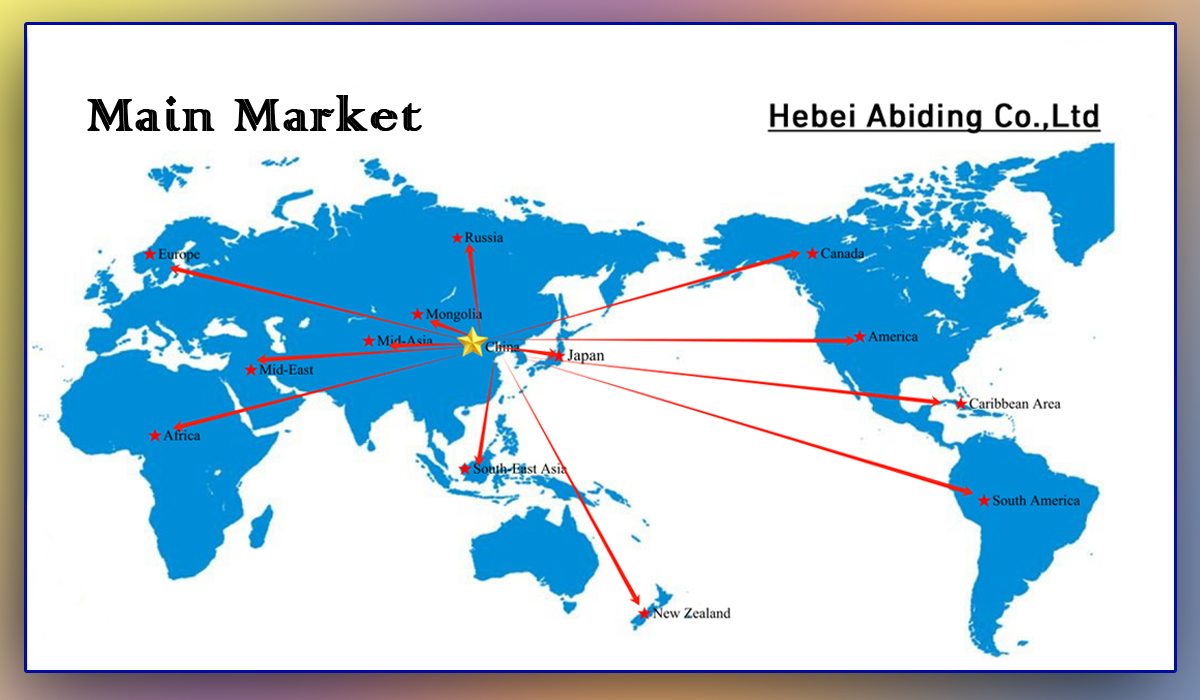
Ranked as the top organic tomato exporter in China. Decades-long relationships with key industrial buyers in EU, North America, and APAC.

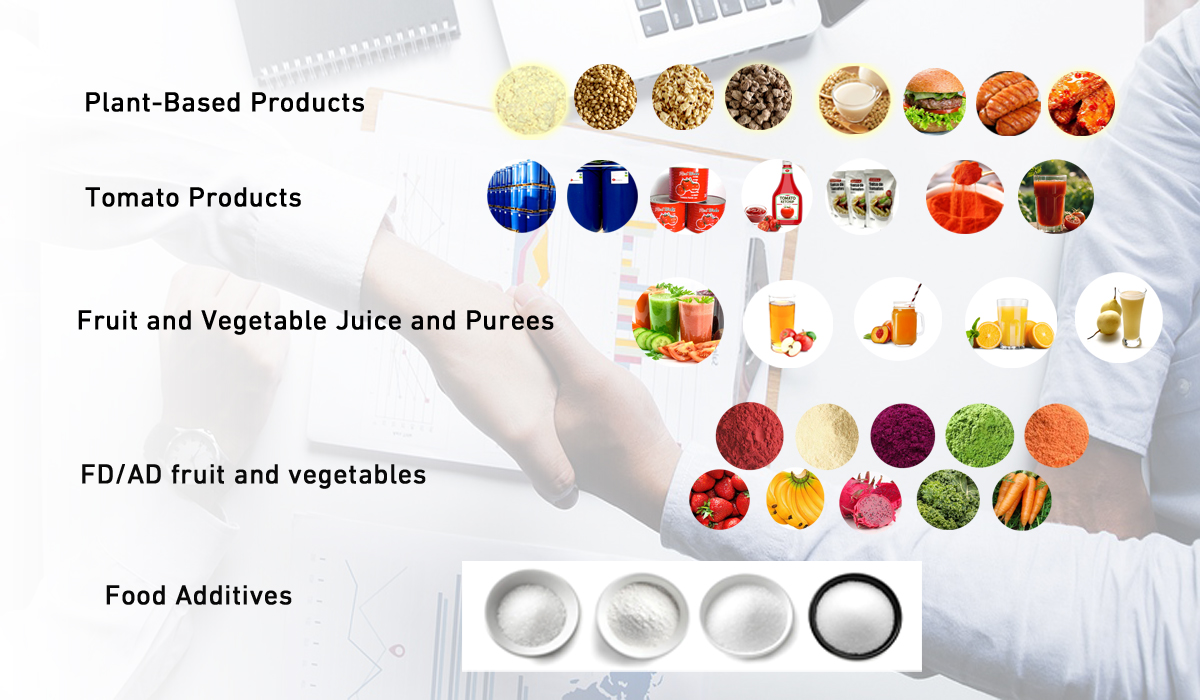

In the global food processing industry, selecting the right physical state and medium of tomatoes is critical to the sensory profile, yield, and consistency of the final product. Diced tomatoes preserved in their own juice offer a highly functional, clean-label raw material that balances integrity of shape, acidity, and color better than water-packed or concentrate-reconstituted alternatives.
Industrial food preparation often subjects tomato components to high-heat pasteurization, mechanical shear, and prolonged retort cooking. Standard field-grown tomatoes can easily break down under these environments, leading to undesirable mushiness or phase separation (syneresis).
To solve this, our Chinese manufacturing sites implement controlled heat-inactivation of pectinmethylesterase (PME) enzymes during processing. By using steam-peeling instead of chemical peeling, we preserve the pericarp structure of the tomato. Standard diced cuts are calibrated to exact tolerances (e.g., 10x10mm, 15x15mm, or customized fractions). When preserved in natural, low-viscosity tomato juice rather than water, the osmotic pressure inside and outside the tomato cells remains balanced. This ensures that the dices do not bloat or collapse during transport or final cooking.
For commercial sauce formulation, consistency in soluble solids (Brix) and acidity (pH) is critical. Diced tomatoes in juice typically range between 6.0° to 8.0° Brix depending on customer specification. Natural tomato juice acts as a standardizing agent, preventing the localized dilutive effects that occur with water-packed diced variants.
Our QC laboratories continuously measure the natural citric acid levels to guarantee a pH range of 4.0 to 4.4. This acid profile ensures microbial stability while preserving the bright, natural tang characteristic of fresh-picked tomatoes, reducing the need for artificial acidifiers in your recipe.
How our manufacturing footprint yields superior raw materials at scale.
The northern regions of China, particularly Xinjiang and parts of Inner Mongolia, represent some of the most agricultural-productive areas in the world for processing tomatoes. These areas share latitude parameters similar to California's Central Valley and Italy's Mediterranean basin, but with distinct climate advantages.
Up to 16 hours of daily sunlight and vast day-night temperature swings facilitate the synthesis of natural Lycopene (often exceeding 50mg/100g) and build robust soluble solids.
Minimal rainfall during the harvest season drastically reduces mold growth and pest infestations. This allows our growers to minimize agricultural chemical applications, rendering the crop naturally compliant with strict EU organic standards.
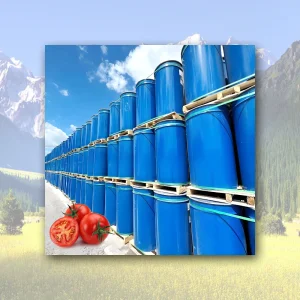
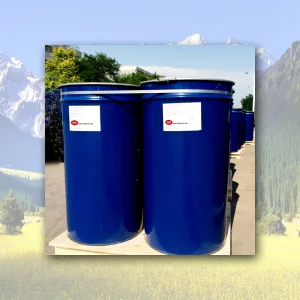
Our plants utilize Italian-made Rossi & Catelli aseptic processing lines. Once the tomatoes are diced and pasteurized, they are immediately filled into sterile 220L drums under clean-room conditions, guaranteeing a 24-month shelf life without chemical preservatives.
Matching industrial diced tomatoes to diverse consumer-packaged-goods (CPG) applications.
For premium pasta sauces, marinara blends, and ready-to-serve tomato soups, maintaining visible, high-quality tomato chunks is critical for premium placement. Diced tomatoes in juice ensure natural color and structural integrity, preventing sauce thinning and phase separation during retail storage.
RTE meals require ingredients that can withstand secondary pasteurization or freezing without losing texture. Our steam-peeled diced tomatoes remain firm, providing the authentic, rustic texture consumers expect in high-end frozen lasagna, stews, and taco fillings.
Bulk foodservice operators demand reliable, large-volume formats. We supply high-barrier 220L aseptic bag-in-drums that allow large-scale institutional kitchens to formulate salsas, base sauces, and pizza toppings efficiently, reducing preparation labor and waste.
With the rising demand for non-GMO, vegan, and additive-free foods, our NOP and EU certified organic diced tomatoes offer a pristine raw material. Because they are packed in their own natural juice, there is no requirement to list additives like calcium chloride or citric acid on the consumer label.
Large B2B procurement operations require more than just a competitive price; they need security of supply, strict quality control (QC) testing, and regulatory documentation. At Hebei Abiding Co., Ltd., we have aligned our factories to meet the complex vendor onboarding requirements of leading global food networks.
Every batch is evaluated using gas chromatography-mass spectrometry (GC-MS) to ensure pesticide residue levels comply with the strict regulatory standards of the importing nation.
Our processing lines feature advanced optical sorters and dual inline metal detectors (ferrous, non-ferrous, and stainless steel) to prevent contaminants from entering the packaging.
We test each batch for yeast, mold, coliforms, and pathogens, delivering a Certificate of Analysis (COA) with every shipment to verify commercial sterility.
The industrial tomato ingredient sector is undergoing structural changes driven by global market conditions, logistics adjustments, and evolving consumer preferences. Key developments shaping procurement strategies include:
Detailed technical answers to common B2B tomato sourcing inquiries.
Our primary packaging for industrial manufacturing is the 220L aseptic bag-in-steel-drum format, which optimizes logistics, maintains freshness, and prevents oxygen ingress. For ultra-high volume facilities, we can offer 1000L aseptic wooden bins. Retail and foodservice configurations like tin cans (e.g., 400g, 800g, 2.5kg, 3kg, 4.5kg) are also available.
We use steam-peeling techniques and select tomato varieties with thick outer walls. Once diced, the pieces are processed using a rapid thermal process (Cold Break or Hot Break based on requirements) to inactivate enzymes, preserving the cell wall structure. Packing the dices in natural tomato juice instead of water maintains osmotic pressure, protecting the pieces during ocean transit.
Our aseptically packaged diced tomatoes in juice have a shelf life of 24 months from the production date. Storage under ambient conditions (between 5°C and 25°C) is suitable. It is critical to store the product in dry, well-ventilated warehouses away from direct sunlight to preserve color and nutrient profiles.
We can supply diced tomatoes both with and without calcium chloride. For clean-label and certified organic applications, we pack the tomatoes purely in their own natural juice with no additives. If your process requires extreme thermal resistance, we can add food-grade calcium chloride to enhance cell stability.
Each shipment is accompanied by a complete QA documentation package, including the Certificate of Analysis (COA), Phytosanitary Certificate, Bill of Lading, Packing List, and Commercial Invoice. We also provide EU/NOP organic transaction certificates, Kosher, Halal, HACCP, and ISO 22000 certificates as required by the destination port.
Our standard MOQ for B2B industrial exports is one 20-foot full container load (FCL), which holds 80 drums (approx. 19 metric tons). Lead times generally range from 15 to 30 days from order confirmation to port delivery in China, depending on seasonal demand and customization specifications.
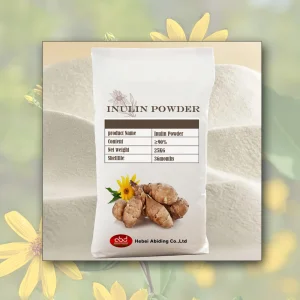
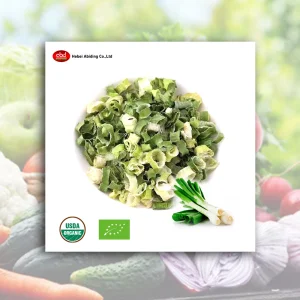
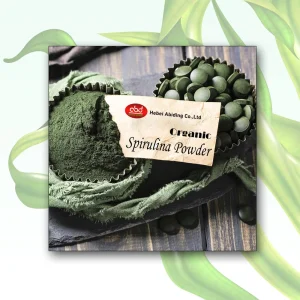
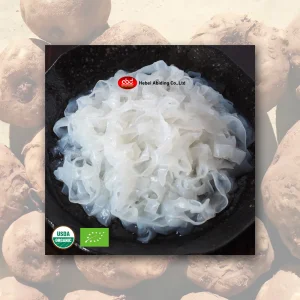
Explore our wider industrial portfolio, including plant-based proteins, organic powders, and dietary fibers.
 Abiding Food