Explore our diverse agricultural raw material offerings shipped globally under strict international standards.
In the global food processing industry, tomato pulp serves as a foundational substrate for hundreds of consumer-packaged goods (CPG), including pasta sauces, ketchups, ready-to-eat meals, soups, and beverage formulations. The demand for industrial tomato pulp has shifted from basic commodity sourcing to strategic partnerships characterized by technical precision, year-round volume stability, and rigorous biological safety protocols.
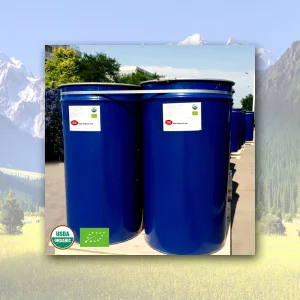
As a global raw material buyer, balancing production costs with physical product parameters—such as Bostwick viscosity, Howard Mould Count (HMC), and soluble solids content (Brix)—is a continuous challenge. Today's commercial landscape is defined by the necessity of finding reliable, cost-efficient exporters capable of handling bulk container shipments (such as 220-liter aseptic bags in steel drums or 1000-liter wood-frame bins) without compromising structural integrity or chemical purity.
Market dynamics show that processing plants in East Asia and Central Europe have become critical nodes in the global food value chain. With agricultural technology upgrades, exporters from these key regions can provide high-volume contracts at optimized pricing structures. This ensures that B2B buyers can hedge against crop volatility, weather fluctuations, and geopolitical trade disturbances.


Established in 2005, Hebei Abiding Co., Ltd. has evolved into a premier professional supplier of foods and food ingredients in China. Our integrated operational mechanism spans from raw materials cultivation and direct supplying, to precision processing, global sales, and responsive after-sales support. This circular framework guarantees the consistent delivery of highly qualified, market-ready products to our international clientele.
As a certified EU & NOP organic products supplier with more than 20 years of experience in the organic food fields, we have been ranked the largest exporter of the organic tomato paste in China for many years. We operate and maintain our own organic farms and advanced processing facilities across different Chinese provinces to ensure that our tomato pulp and other agricultural derivative products strictly comply with the most stringent global organic standards.
When global procurement managers seek a "cheap" tomato pulp exporter, the objective is never to sacrifice purity or safety; it is to find structural, cost-efficient margins in the supply chain. Hebei Abiding Co., Ltd. leverages the distinct geographic, climatic, and industrial benefits of Chinese tomato-growing regions (such as Xinjiang and Inner Mongolia) to achieve optimal price-to-quality ratios.
The high-latitude, arid climate of our agricultural regions provides up to 16 hours of daily sunlight. This natural advantage drives up the fruit's natural soluble solids (Brix) and lycopene concentrations, yielding naturally thicker, richer pulp that requires less energy-intensive evaporation processing.
By employing modern double-effect forced circulation evaporators, Italian-engineered sorting setups, and rapid aseptic packaging, our manufacturing plants minimize manual labor overhead and biological risk profiles, maintaining optimal throughput rates.
Through integrated domestic container freight networks and deep partnerships with shipping lines, we offer reliable FOB, CFR, or CIF delivery directly to global maritime terminals, lowering transport risks and cutting total import costs.
It is well known that more and more consumers prioritize healthy, safe, and nutritious foods. Commercial formulations featuring high protein, high fiber, low calorie, Vegan, GMO-free, gluten-free, and even Keto-friendly properties are rising rapidly in popularity across all international markets.
With our rich operational history in organic farming, we have successfully optimized our processing pipelines to manufacture tomato pulp and concentrates that align with these special characters. By avoiding chemical fillers, artificial preservatives, and binding agents, our pulps offer food manufacturers a pure clean-label ingredient that matches modern consumer expectations.
Achieving cost-efficiency in bulk tomato pulp exports requires advanced automation and deep botanical science. At Hebei Abiding Co., Ltd., we continually invest in process innovations to refine color indicators, retain flavor volatiles, and minimize energy waste.
Harvested tomatoes are fed into dynamic water channels to eliminate soil and debris, followed by high-definition optical sorting cameras that discard green or damaged fruits automatically.
Depending on customer requirements, we utilize Hot Break processes (85-90°C) to deactivate enzymes and preserve natural pectins for thick sauces, or Cold Break (65-75°C) to retain color and fresh fruit flavor profiles.
The crushed mass runs through heavy-duty industrial centrifugal extractors equipped with screen sizes from 0.4mm to 1.5mm, stripping away skins, seeds, and stems while keeping the velvety pulp structure intact.
The pulp is quickly pasteurized through tube-in-tube heat exchangers and instantly packed into multi-layer vacuum aseptic bags in sterile environments, assuring a 24-month stable shelf life.
Our industrial-grade tomato pulp is tailored to meet the strict recipe formulations of regional food manufacturers worldwide.
Large-scale pizza chain suppliers and retail ketchup manufacturers require high-viscosity, hot-break tomato pulps. The raw material must blend cleanly with local corn syrup, vinegars, and spices without syneresis (water separation) occurring under freezing temperatures.
European buyers demand strictly certified NOP/EU organic pulps for premium marinara and bolognese jar sauces. Low pesticide residues and a deep red color rating (a/b ratio above 2.0) are essential parameters to satisfy demanding EU food safety watchdogs.
Sardine packers and instant noodle seasoning formulators in Southeast Asia rely on stable cold-break pulps. The pulp acts as a natural emulsifier and flavor base, carrying heat and acid components evenly without maskings of natural fish or herbal flavors.
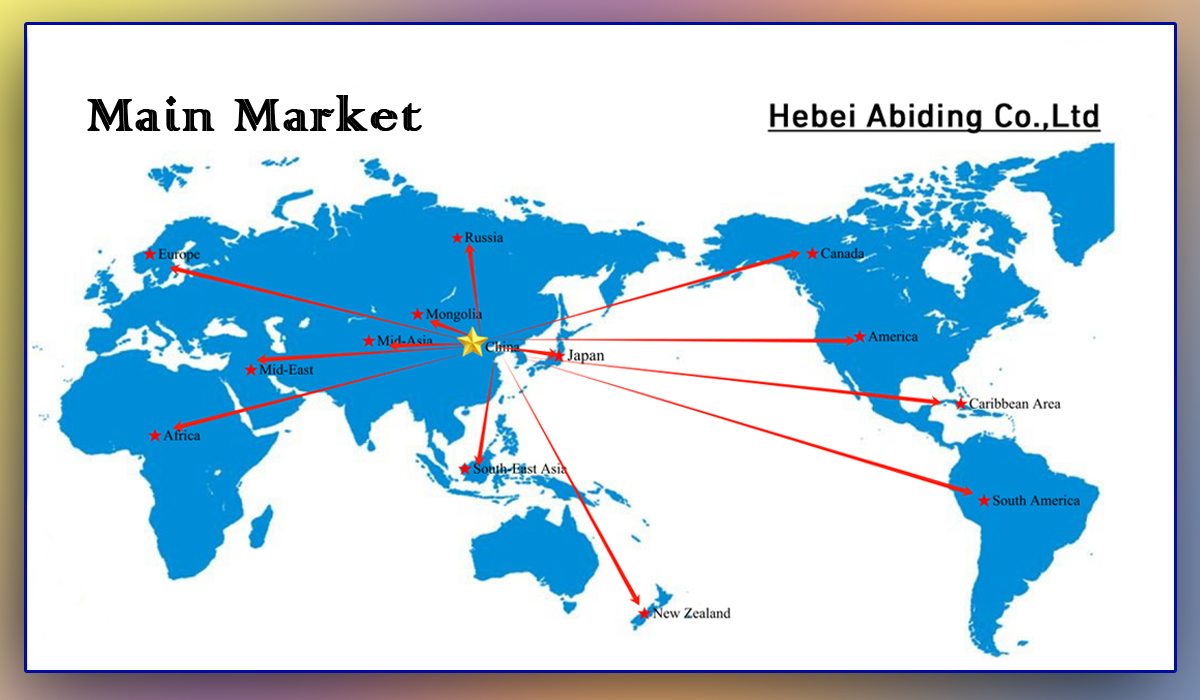
We have established long-term and stable business cooperation with many customers around the world and have won an outstanding reputation in the global food trade. It is our honor to be a qualified supplier certified by Nestle and other world-famous food production conglomerates.
Our facilities regularly undergo stringent quality and environmental audits to keep these enterprise relationships active. We are dedicated to providing our best service to our partners, offering customized viscosity specifications, scheduled container drop programs, and flexible financing support to smooth out operational issues in import lanes.
Our primary purpose is to provide customers with healthy and safe products, along with highly personalized services. We operate by a simple rule: survival by quality, development by unique characteristics. This philosophy has allowed us to form a fast and efficient management team backed by a bulletproof quality traceability system. We aim to honor the principles of "character, food, conscience, and care" in every batch.
Our objectives include synchronizing our manufacturing footprint with environmental protection, clean technology, and public health. We continue to invest in resource-efficient drip irrigation systems on our organic farms, zero-coal processing plants, and circular agricultural models where tomato seed and skin waste are upcycled into animal feed and lycopene extractions.

Practical technical answers to help you navigate international tomato pulp supply specifications.
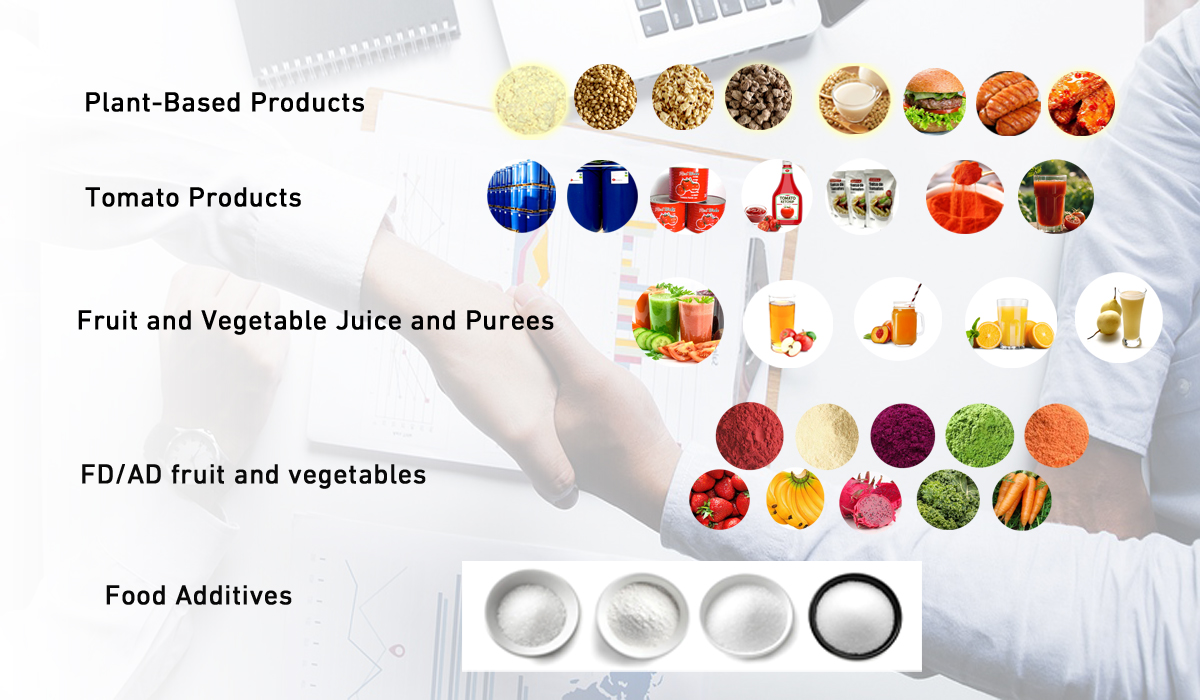
Complementary products from our global supply catalog, processed under identical safety standards.
 Abiding Food