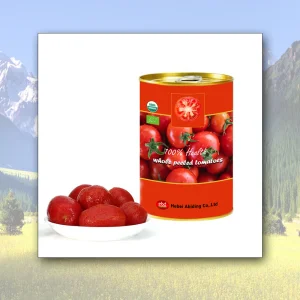
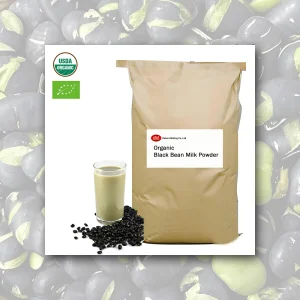
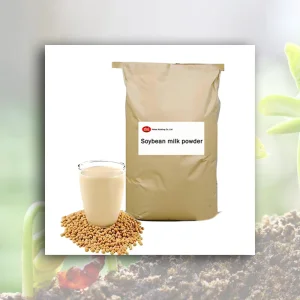
Explore our premium B2B raw materials and processed food ingredients, trusted by global brands and processed under strict quality controls.
Analyzing key supply challenges, industrial demand, and pricing mechanics in the B2B plum tomato market.
The global demand for high-quality, cost-efficient processed tomato products has experienced a significant upward trajectory over the past decade. Driven by the expansion of the industrial food service sector, pre-packaged ready-meal manufacturing, and consumer demand for premium pasta sauces, the peeled plum tomato has emerged as a cornerstone raw material. Historically prized for their high solid content, low seed count, and dense flesh, plum tomatoes (predominantly Roma and San Marzano varieties) provide the structural integrity and natural sugars required for culinary applications where round tomatoes fall short.
However, global buyers encounter systemic challenges in their procurement pipelines. Adverse weather events in traditional Mediterranean growing regions, coupled with surging input costs (fertilizer, logistics, energy), have disrupted price stability. For B2B procurement managers, the mandate is clear: identify a reliable Peeled Plum Tomatoes Manufacturer & Exporter capable of delivering a high-yield product that minimizes waste, satisfies strict international food safety standards, and preserves cost advantages. Balancing "cheap" pricing with compliance, color consistency (Lycopene content), and structural retention during the retort phase represents the ultimate operational challenge.
Securing multi-ton agricultural yields despite shifting global climates through diversified geographical sourcing and robust logistics networks.
Meeting zero-pesticide residue tolerances, organic (EU/NOP) guidelines, and high visual inspection parameters required by global food processors.
Evaluating raw agricultural efficiency to deliver a competitive price point without compromising on draining weight percentages.
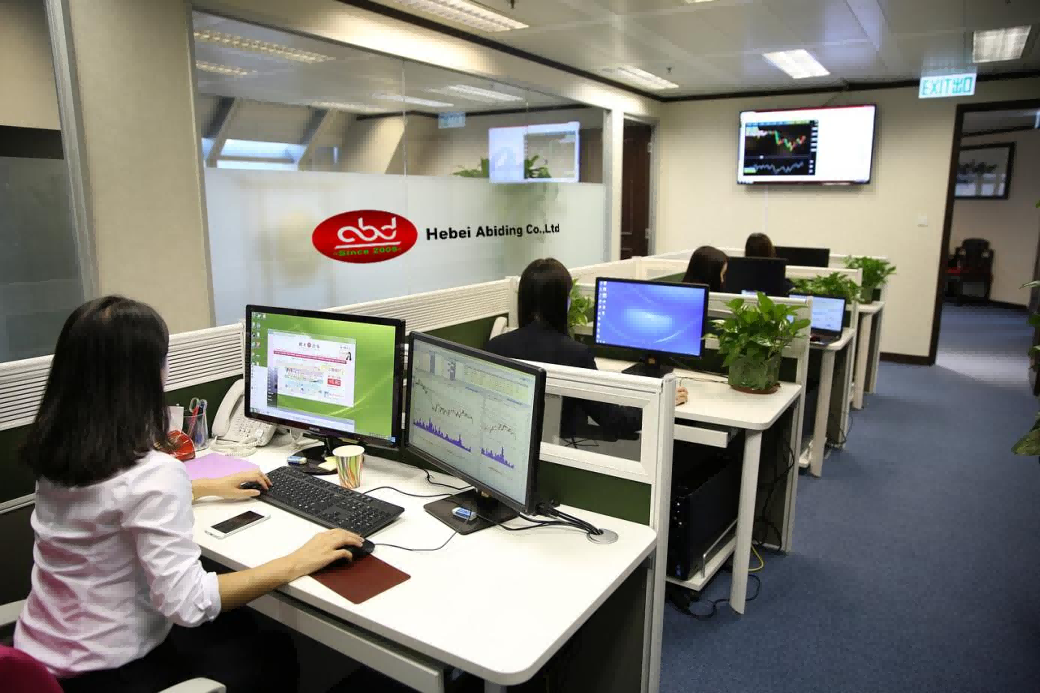
Leveraging 20+ Years of Organic Farming and Processing Leadership
Hebei Abiding Co., Ltd. established in 2005 is a professional supplier of foods and food ingredients in China. We have one perfect mechanism including raw materials supplying, production, sales, after-sales service to ensure to supply the qualified products to the customers. Some of our core products we are handling are vegetable proteins, fruit and vegetable juice and purees, FD/AD fruit and vegetables, plant-based products and various food ingredients and additives.
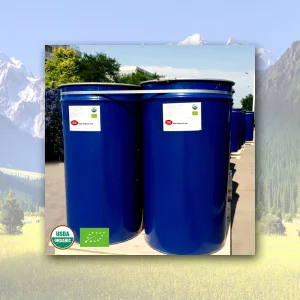
As a certified EU & NOP organic products supplier with more than 20 years experiences in the organic food fields, we have been ranked the largest exporter of the organic tomato paste in China for many years. We have our own organic farms and processing facilities in different provinces in China to ensure that our products strictly comply with organic standards.
We are honored to be a qualified supplier certified by Nestle and other world-famous food corporations, affirming our rigorous standard compliance.
Our operation aligns with environmental protection and health guidelines, building a fast and efficient management team and quality traceability system.
The engineering science behind high peeling efficiency and pulp texture preservation.
Peeling plum tomatoes at an industrial scale requires a delicate balance of thermo-physical engineering to remove the skin while leaving the underlying pericarp intact. The retention of the tomato's firm shape is critical for canned products, as buyers require whole, non-mushy tomatoes when opening bulk packaging. There are two primary methodologies used in modern processing facilities: Thermodynamic Steam Peeling and Chemical Lye Peeling.
At our state-of-the-art facilities, we employ advanced Thermodynamic Steam Peeling systems. The process subjects clean, sized plum tomatoes to saturated steam under pressure (typically 1.5 to 3.0 bar) for a brief, calculated period (15 to 30 seconds). Rapid decompression follows, causing moisture beneath the skin to vaporize instantly. This flash-boiling effect separates the skin from the outer flesh with minimal thermal penetration into the core, preserving the raw texture and keeping the tomato firm. The skin is then gently removed using soft rubber rollers and high-pressure water jets, yielding a peel-free tomato with minimal product loss.
| Peeling Method | Process Mechanism | Texture Preservation | Yield Efficiency | Environmental Impact |
|---|---|---|---|---|
| Thermodynamic Steam | Pressurized steam followed by rapid vacuum release | Excellent (Preserves outer cell structure) | Very High (94-96%) | Low (Water recycling integrated) |
| Chemical Lye | Hot Sodium Hydroxide (NaOH) chemical dissolution | Moderate (Can degrade outer flesh) | High (92-94%) | High (Requires chemical neutralization) |
| Mechanical Peeling | Abrasive scraping or knife cutting | Poor (Causes structural deformity) | Low (80-85%) | Minimal |
Following the peeling phase, the tomatoes undergo dual-stage optical sorting. High-speed chromatic cameras identify and reject anomalies such as skin remnants, yellow shoulders, green cores, or surface blemishes. The sorted whole tomatoes are then filled into cans or drums, vacuum-sealed with natural tomato juice, and retorted. Retort sterilization targets a target lethality (F0 value) sufficient to destroy thermophilic spores while avoiding over-cooking, ensuring a shelf-stable product with a firm bite.
How our organic expertise and nutritional focus translate into commercial success for our partners.
It is well known that more and more people care to take the healthy, safe and nutritious foods. Foods with high protein, high fiber, low calorie, Vegan, GMO-free, gluten-free, and Keto-friendly characteristics are more popular. We successfully explore products with such special features to meet global demand.
We have established long-term and stable business cooperation with many customers around the world and have won a good reputation. We value sharing the pleasure in cooperation by delivering consistently high-quality ingredients and dedicated customer services.
Our purpose is to provide customers with healthy and safe products with intimate service, developing through unique characteristics and a rapid quality traceability system. We aim to synchronize with environmental protection and gather wisdom for common development.
Industrial specifications designed for food processors, sauce manufacturers, and bulk importers.
For industrial B2B purchasing agents, understanding product variables like Brix, pH, draining weight, and packaging options is vital to optimizing processing run-times and reducing kitchen waste. Below is the official technical matrix for our Peeled Plum Tomatoes exported globally:
| Technical Parameter | Specification Range | Testing Methodology | B2B Significance |
|---|---|---|---|
| Brix (Tomato Juice Medium) | 5.0% - 7.0% (Natural or adjusted) | Refractometer (20°C) | Determines natural sweetness & boiling reductions |
| pH Value | 4.2 - 4.5 (Acidified with Citric Acid if needed) | pH Meter Calibration | Ensures shelf stability and prevents botulinum risks |
| Drained Weight Ratio | ≥ 60% of Net Weight | 2.8mm Sieve Gravity Draining | Protects margins by maximizing solid tomato yield |
| Howard Mould Count (HMC) | ≤ 40% positive fields | Howard Method Microscopy | Indicates raw material freshness and quality control |
| Defects (Skin, Blemishes) | ≤ 2 cm² total skin area per 1 kg | Visual Inspection / Sorting Line | Reduces QA issues in ready-to-eat final sauces |
We supply peeled plum tomatoes in multiple formats to suit various industrial and commercial profiles:
Investing in agriculture technology, carbon reductions, and advanced packaging structures.
The next decade of agricultural processing belongs to carbon-neutral operations, water circularity, and smart farming. At Hebei Abiding Co., Ltd., we are actively testing several technological pilot programs to improve our supply chain efficiency:
We are rolling out IoT-enabled soil moisture sensors in our contracted organic growing zones. These sensors continuously monitor root hydration levels, transmitting real-time data to automated drip irrigation networks. By delivering water and nutrients directly to the plant base only when required, we reduce water consumption by up to 35% while increasing tomato solids (Brix) naturally.
In response to international regulatory shifts and consumer demands, we have transitioned our canning lines to accommodate BPA-NI (Bisphenol A Non-Intent) internal lacquers. This prevents chemical leaching, preserving the natural taste profile of the plum tomatoes while complying with the latest European Chemical Agency (ECHA) standards.
Our thermodynamic steam peelers have been retrofitted with heat exchangers that capture waste flash-steam. This recovered thermal energy pre-heats incoming processing water, reducing factory gas consumption and lowering the carbon footprint per ton of finished product.
Addressing B2B procurement queries, organic certifications, and technical product concerns.
A: We achieve cost competitiveness through vertical integration. Controlling our organic farms and managing large-scale manufacturing facilities across major Chinese provinces allows us to minimize middleman fees. Furthermore, our efficient thermodynamic steam peeling technology reduces fruit waste, lowering raw material costs without compromising on the quality and integrity of the tomato.
A: We hold official certifications for EU & NOP organic products, and we are an audited, qualified supplier for Nestle. Our processing plants follow HACCP, ISO 22000, and standard BRC principles, ensuring our products comply with food import regulations in North America, Europe, and Asia.
A: Yes. We provide comprehensive OEM private label services, including custom label printing, lithographed cans, outer carton designs, and palletization schemes to suit retail distribution needs.
A: The standard shelf life of our canned peeled plum tomatoes is 36 months from the date of manufacture, provided they are stored in a cool, dry place away from direct sunlight.
A: For organic lines, our fields are strictly pesticide-free and verified by EU & NOP third-party certification bodies. For conventional lines, we implement a strict pesticide schedule, utilizing only approved substances. Every batch is analyzed by GC-MS/LC-MS labs before export to confirm residues are below the legal limits of the target market.
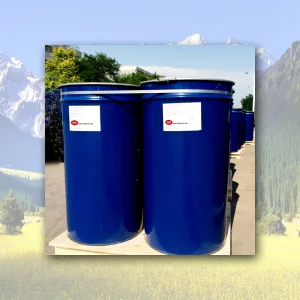
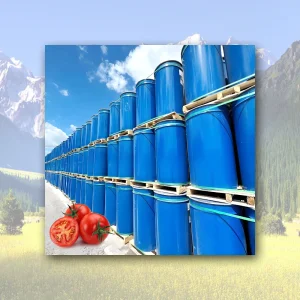
A: Yes, for industrial bulk buyers (e.g., 220L aseptic drums), we can adjust acidity and soluble solids (Brix) parameters during the blending and packaging process to match your specific sauce formulations.
A: Our standard MOQ for international sea freight is one 20-foot container (FCL), which allows us to offer the most economical shipping rates per unit.
A: Production lead time depends on the season and packaging requirements. On average, it ranges from 25 to 40 days after contract confirmation and deposit receipt.
A: We select tomato cultivars known for high firmess, and we maintain careful temperature controls during pasteurization. The inclusion of a small amount of calcium chloride (acting as a firming agent) can also be requested to secure structural integrity during long-distance shipping.
A: Yes, we export a full range of processed tomato solutions, including canned and drummed diced tomatoes, tomato paste, tomato sauce, and crushed tomatoes.
Browse our extended catalog of plant proteins, fruit juice concentrates, and natural powders.
 Abiding Food