Premium dehydrated products and concentrates custom-processed to comply with Japan's strict MHLW chemical residue criteria.
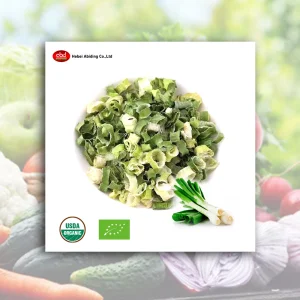
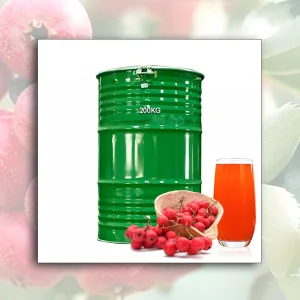
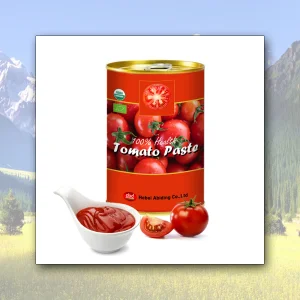
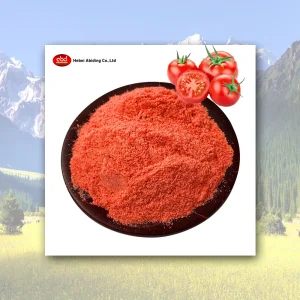
The Japanese food industry is witnessing an unprecedented shift in consumer preferences. Driven by a rapidly aging demographic, an increasing ratio of single-person households, and the constant demand for convenient yet clean-label meals, freeze-dried (FD) and air-dried (AD) vegetables have become crucial in product formulation. Historically known for pioneering the instant ramen noodle industry, Japanese processing firms now rely heavily on imported FD and AD vegetables that retain original cellular structure, color, taste, and nutrition upon rehydration.
Strict Japanese import policies require agricultural ingredients to maintain impeccable pesticide residue controls under the Positive List System. For B2B procurement partners in Tokyo, Osaka, and Yokohama, sourcing from an established Chinese manufacturer with owned farming footprints and sophisticated processing technologies is a strategic priority to achieve cost-efficiency and reliable volumes.
Global food brands and Japanese importers often face severe disruptions in quality consistency, pesticide cross-contamination, and microbial spikes due to outdated drying methods. Traditional open-air drying methods fail to comply with strict export requirements. Additionally, fluctuations in raw material pricing present operational risks.
Hebei Abiding Co., Ltd. addresses these pain points by offering a fully integrated vertical supply chain. By implementing modern, closed-loop convective air-dehydration and advanced low-temperature vacuum freeze-drying, we provide global and Japanese markets with chemical-free, nutrient-dense ingredients that meet international safety criteria.
Company Established
Years Organic Experience
Traceable Supply Chain
Pesticide Control Standard

Established in 2005, Hebei Abiding Co., Ltd. has developed into a leading supplier of food and organic ingredients in China. Our operations cover the entire value chain, from organic crop sowing and cultivation to raw material sourcing, processing, and prompt customs clearance. As a certified EU & NOP organic supplier, we have maintained our position as one of China's top exporters of organic tomato paste to global markets for many years.
Our agricultural program includes dedicated organic farms across multiple Chinese provinces, ensuring our cultivation practices align with Japanese Agricultural Standards (JAS) and international organic rules. With this structural foundation, we can guarantee that our freeze-dried (FD) and air-dried (AD) fruits and vegetables are grown without synthetic fertilizers or chemical agents, meeting the strict requirements of Japanese retail and manufacturing sectors.
A closer look at how sublimation and controlled moisture vaporization preserve cellular structures and nutrient profiles.
Our freeze-drying process involves freezing raw fruits and vegetables below their triple point (-30°C to -40°C) and applying vacuum pressure. Ice crystals sublimate directly into water vapor, preserving the natural physical dimensions, vibrant colors, volatile flavor components, and heat-sensitive vitamins (such as Vitamin C) of the ingredients.
Ideal for: Instant soup toppings, premium baby foods, and functional cereal mixes where rapid rehydration (less than 60 seconds) is required.
For vegetables requiring a firm texture after rehydration (such as cabbage, carrots, and onions for instant noodles), we utilize multi-stage temperature-controlled convective air drying. This approach minimizes heat damage while drying the vegetables to a target moisture content of less than 5%.
Ideal for: Industrial cup noodles, seasoning packs, and baked goods where structural integrity and texture are key quality factors.
In response to global clean-label trends, our FD/AD manufacturing processes contain no added sugars, carriers, sulfites, or artificial preservatives. We are currently implementing AI-based optical sorters to detect and isolate foreign materials (such as hair, plastic fragments, or discolored plant tissue) prior to packaging. This automated sorting step helps us meet the high cosmetic standards required by Japanese retail buyers.
In global food manufacturing, earning the trust of multi-billion dollar enterprises requires rigorous audit transparency and strict quality control. Hebei Abiding Co., Ltd. is proud to be a qualified supplier certified by Nestle and other global food corporations. This recognition reflects our operational discipline and alignment with international food safety guidelines.
Our production facilities operate under strict HACCP protocols, maintaining ISO 22000 and FSSC 22000 certifications. Every shipment is backed by COA (Certificate of Analysis) laboratory reports covering physical, chemical, and microbiological parameters. We also accommodate custom third-party testing requests (such as SGS or Eurofins) to ensure compliance with specialized regional import standards.
How we satisfy the rigorous demands of the Ministry of Health, Labour and Welfare (MHLW).
Every batch is tested against Japan's strict 0.01 ppm pesticide residue limit. We utilize GC-MS/MS and LC-MS/MS testing methods to verify clean chemical profiles.
Our partner farms are certified organic according to NOP and EU standards, maintaining strict documentation paths for clean transition to Japanese Agricultural Standards (JAS).
We apply heat-treatment sanitization to control aerobic plate counts, coliforms, mold, and yeast, satisfying Japanese microbiological safety standards.
Our dedicated quality assurance team works closely with Japanese import brokers to verify custom declarations and logistics paperwork beforehand. This proactive regulatory approach helps avoid custom delays at major Japanese ports like Tokyo, Yokohama, Kobe, and Nagoya.
A comprehensive range of food ingredients designed for manufacturers, exporters, and industrial kitchens in Japan.
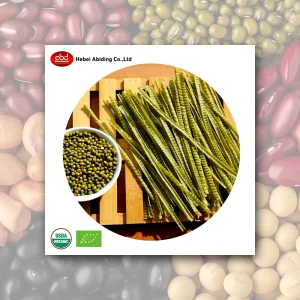
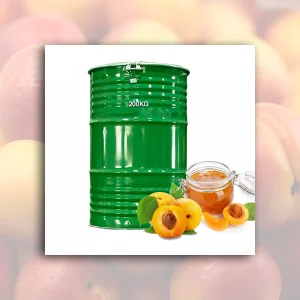
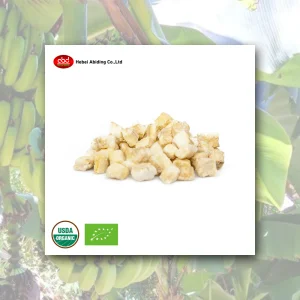
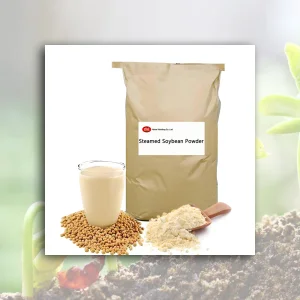
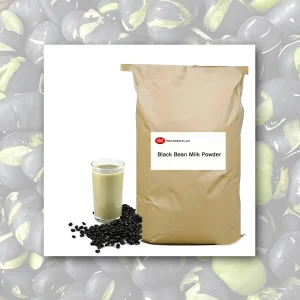
Detailed technical information about our processing capabilities and compliance protocols for Japan.
How does Hebei Abiding guarantee compliance with Japan's Positive List System for pesticides?
We use a multi-step verification process. We manage pesticide applications at the farming level on our contracted farms. Before raw materials enter processing, we perform initial GC-MS/MS pesticide screens. Finished product batches are then tested at certified laboratories to confirm pesticide residues remain below Japan's general limit of 0.01 ppm before export.
What are the typical rehydration ratios for your AD and FD vegetables?
Our Freeze-Dried (FD) vegetables rehydrate rapidly, typically within 45–60 seconds in hot water (90°C+), returning to a structure close to fresh vegetables with a rehydration ratio ranging between 1:8 to 1:12. Our Air-Dried (AD) vegetables are designed to retain texture and rehydrate within 3–5 minutes, with a typical ratio of 1:4 to 1:6.
Does your company hold valid organic certifications for international markets?
Yes, Hebei Abiding Co., Ltd. is certified under EU organic regulations and the USDA National Organic Program (NOP). These certifications require annual verification audits of our processing plants and farming operations, ensuring full traceability back to the fields.
What options are available for industrial packaging and shipping to Japanese ports?
Our standard packaging uses food-grade, moisture-barrier PE inner liners protected by double-walled corrugated outer cartons. We support shipping terms including FOB, CFR, and CIF to major Japanese ports such as Tokyo, Yokohama, and Kobe, with shipping schedules optimized for temperature control.
Contact our technical sales team for specifications, certificates of analysis (COA), organic documentation, or to request product samples.
Send Inquiry Now Abiding Food