High-purity functional concentrates, plant-based proteins, and organic wellness ingredients formulated to meet Mercosur food quality standards.

Uruguay represents a highly sophisticated consumer market within South America, characterized by high urbanization, a strong European culinary heritage, and robust per capita consumption of processed food products. Tomato paste, canned whole peeled tomatoes, and derivative sauces form the backbone of the domestic foodservice and retail food sectors. The Uruguayan diet, heavily influenced by Italian and Spanish gastronomy, integrates tomato-based bases into daily staples such as tuco sauces, pizza formulations, and stews.
Despite a fertile agricultural base, Uruguay's local tomato processing industry faces structural limitations. Seasonal weather volatility, constrained scale of domestic tomato farming, and high operational costs for packaging and thermal processing limit the domestic production of high-solids (Brix) tomato paste. Consequently, Uruguayan food brands, industrial sauce manufacturers, and major distributors rely heavily on importing premium, stable, and cost-effective bulk canned tomato products to satisfy steady domestic demands.
The global processing tomato sector is governed by precise agricultural parameters and massive logistical hubs. The three primary global growing regions—California's Central Valley, the Mediterranean Basin (primarily Italy and Spain), and the Xinjiang/Inner Mongolia regions in China—drive global price dynamics and supply security. In recent years, climate-driven irrigation limits in Europe and fluctuating crop yields in North America have created supply chain bottlenecks, driving South American procurement directors to diversify their supply lines toward highly efficient, technologically advanced agricultural hubs.
For Uruguayan buyers, maintaining a balanced import strategy involves evaluating the Total Cost of Ownership (TCO). This covers raw material costs, freight rates to the Port of Montevideo, tariff structures under regional trading rules, and reliability of containerized shipments. Chinese manufacturers, using automated vacuum concentration and aseptic processing lines, provide a resilient hedge against European harvest failures.
Established in 2005, Hebei Abiding Co., Ltd. has spent over two decades building a reliable supply mechanism for global food ingredients, specializing in plant-based proteins, dehydrated ingredients, and premium tomato derivatives. Ranking for consecutive years as a leading exporter of organic tomato paste from China, we offer unique commercial advantages to the Uruguayan market:
High-viscosity pastes, bulk peeled tomatoes, healthy grain alternative lines, and industrial fruit bases tailored for the South American market.
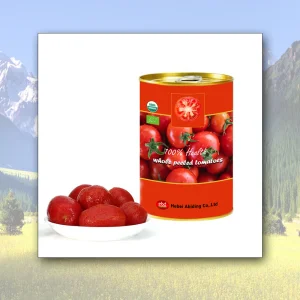
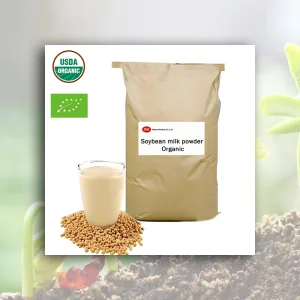
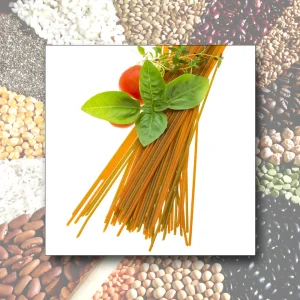
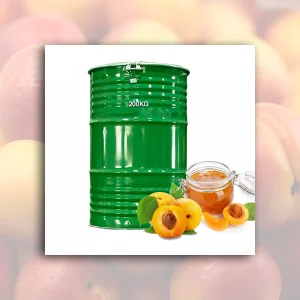

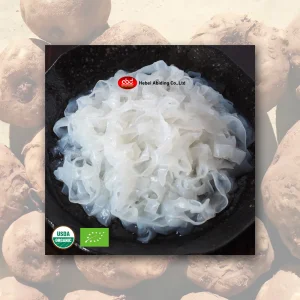
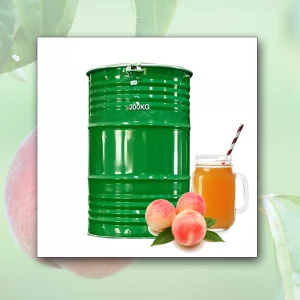
In the industrial sphere, canned tomato products are not uniform commodities. Sourcing departments must evaluate chemical properties such as viscosity, soluble solids, and thermal breaks to match their specific production processes:

The global food market is shifting quickly toward clean-label and health-supportive products. Today's consumers actively seek out items that are organic, non-GMO, vegan-friendly, gluten-free, and high in protein or fiber.
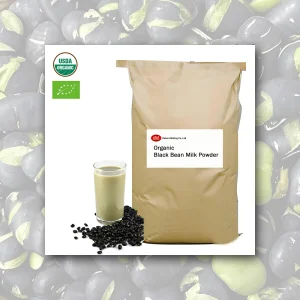
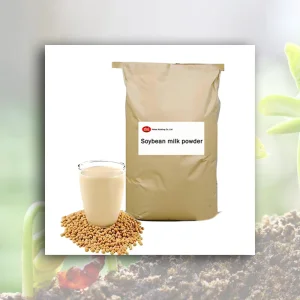
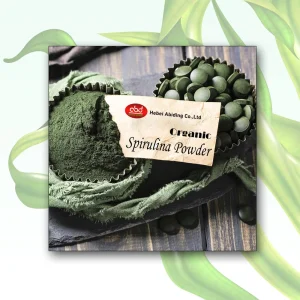
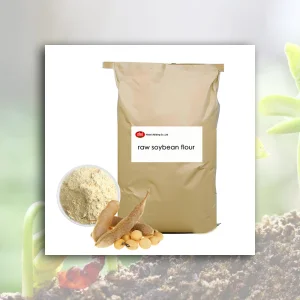
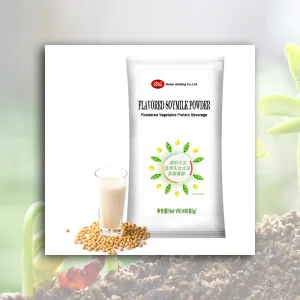
Hebei Abiding Co., Ltd. addresses these changing dynamics through a diverse range of plant-based ingredients. Alongside our core tomato paste products, we supply wholesale soy powders, high-grade soybean flours, and organic plant proteins. These ingredients are designed to help Uruguayan food processors create nutritious, clean-label alternatives that satisfy modern consumer demand.
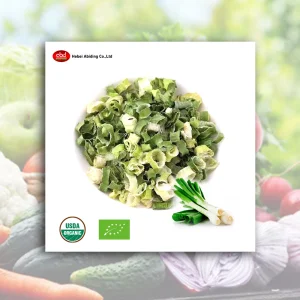
Value-added condiments and dried base ingredients developed for quick formulation and long-shelf-life stability.
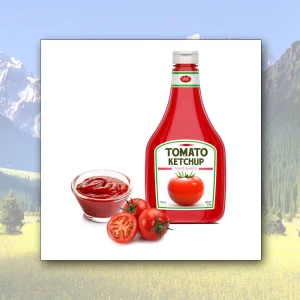
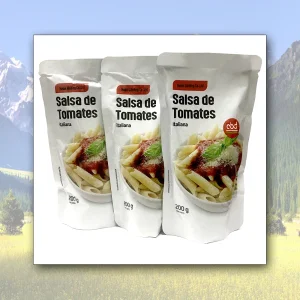
Essential insights covering raw material specifications, logistics to Uruguay, certifications, and procurement procedures.
Partner with China's leading organic tomato exporter. Get in touch with our team for detailed product sheets, target pricing, and custom formulation options for Uruguay.
 Abiding Food