Unpacking the role of high-solids aseptic tomato bases in achieving viscosity control, shelf-life integrity, and flavor stability in large-scale food manufacturing.
In industrial chili con carne and hot sauce formulations, tomato sauce serves as more than a flavor agent; it is the physical suspension medium. If the tomato sauce lacks the proper ratio of soluble solids (Brix) and pectin structure, syneresis (water separation) occurs over time. This leads to an unappealing watery layer on top of canned products.
Sourcing specialized Hot Break (HB) tomato paste and sauce preserves natural pectins, functioning as an organic binder. This limits the reliance on modified corn starch or xanthan gum, helping manufacturers achieve cleaner food labels.
Microbial integrity is a non-negotiable metric for QA managers handling global chili brands. The presence of mold filaments is strictly checked via the Howard Mold Count (HMC). Heavy precipitation, high air humidity, or storage delays at the farm level can increase HMC levels rapidly.
We maintain strict HACCP protocols at our facilities, keeping HMC limits significantly below typical regulatory maximums (often below 35-40%). This provides a reliable base for thermal processing, protecting your brand from recall risks.
SEO Technical Insight: Large-scale chili manufacturing requires a tomato paste or sauce base that delivers high thermal stability. Sourcing from regions like Xinjiang and Inner Mongolia—areas known for high diurnal temperature swings and intense sunlight—results in tomatoes with high lycopene levels (over 50mg/100g) and natural acidity (pH 4.2-4.5). This supports natural preservation and consistent color retention throughout thermal retort processing.
For over two decades, Hebei Abiding has built a robust supply chain delivering qualified, organic-certified food ingredients to premier food brands globally.
Hebei Abiding Co., Ltd., established in 2005, is a professional supplier of foods and food ingredients in China. We have one perfect mechanism including raw materials supplying, production, sales, after-sales service to ensure to supply the qualified products to the customers. Some of our core products we are handling are vegetable proteins, fruit and vegetable juice and purees, FD/AD fruit and vegetables, plant-based products and various food ingredients and additives.
As a certified EU & NOP organic products supplier with more than 20 years experiences in the organic food fields, we have been ranked the largest exporter of the organic tomato paste in China for many years. We have our own organic farms and processing facilities in different provinces in China to ensure that our products strictly comply with organic standards.

It is well known that more and more people care to take the healthy, safe and nutritious foods. The foods with the high protein, high fiber, low calorie, Vegan, GMO free, gluten free and even Keto friendly are more popular. So above requirements bring us to one new world. With our good experience in the organic fields, we also successfully explore the products with such special characters to meet the customer requests. We have the confidence that this field would be one wide potential market full of chance.
We have established long-term and stable business cooperation with many customers around the world and have won the good reputation there. It is our honor to be one qualified supplier certified by Nestle and other world famous companies. We would like to continue to provide our best service to the customers to share the pleasure in the cooperation.
Our Purpose: to provide customers with healthy and safe products, to provide customers with the most intimate service. Survival by quality, development by characteristics, so as to form a fast and efficient management team and quality traceability system. To achieve the purpose of "character, food, conscience, love".
Our Objectives: to synchronize with environmental protection, with health, gather wisdom, seek common development, and build an excellent enterprise.
Analyzing shift patterns in consumer demands, clean label policies, and climatic adaptations within B2B procurement networks.
Global health trends have made synthetic thickeners less desirable to consumers. Chili factories increasingly use high-pectin Hot Break (HB) tomato bases to naturally thicken their sauces. This eliminates the need for modified starches, maintaining a clean ingredient list that fits clean-label expectations.
With stricter food tracking regulations in Europe and North America (like FSMA 204), chili manufacturers need to know the origin of every ingredient. We address this demand by providing batch-specific tracking from seed to drum, supported by EU and NOP organic certifications.
Canned chili goes through high-heat retort sterilization, which can breakdown tomato fibers. Our modern thermal treatment systems stabilize natural tomato pectin, ensuring that the sauce maintains its color, thickness, and mouthfeel even after high-heat processing.
Understanding the key parameters for your product line: comparing standard hot break vs. customized industrial chili puree bases.
| Specification Parameter | Hot Break Paste/Sauce (28-30% Brix) | Cold Break Paste (36-38% Brix) | Impact on Chili Production Performance |
|---|---|---|---|
| Bostwick Viscosity | 1.5 – 3.0 cm / 30 seconds (High viscosity) | 5.0 – 7.0 cm / 30 seconds (Fluid viscosity) | Hot break prevents water separation and helps suspend meat or soy proteins in canned chili. |
| Lycopene Content | > 55 mg / 100g (Naturally rich) | > 70 mg / 100g | Ensures a bright, red appearance in chili con carne without adding artificial colorants. |
| pH Values | 4.25 ± 0.15 | 4.35 ± 0.15 | Maintains formula safety by allowing for milder retort sterilization temperatures. |
| Howard Mold Count (HMC) | < 35% (Nestle Audit Standard compliant) | < 40% (Standard industrial limit) | Guarantees raw material freshness and high hygienic standards for export requirements. |
| Total Acidity | 1.8% – 2.4% (expressed as citric acid) | 2.0% – 2.8% | Balances the sweet heat of spicy formulations without requiring excess sugar. |
The quality of the final tomato sauce is determined early in the process. We start with non-GMO tomato seeds planted in Xinjiang, where low humidity levels reduce plant diseases. Harvested tomatoes are color-sorted using optical sensors to remove green and damaged fruits before processing.
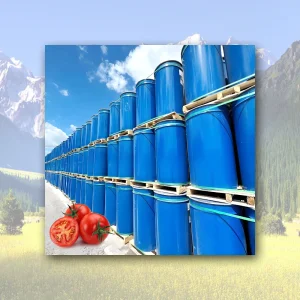
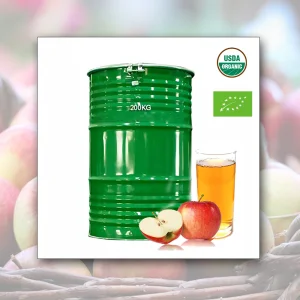
During extraction, rapid steam injection inactivates natural enzymes. In the Hot Break process, temperatures of 95°C to 104°C preserve the tomato's natural pectins. The juice is then concentrated in multi-effect vacuum evaporators, flash-sterilized at 115°C, and filled under aseptic conditions into sterile, multi-layer laminated bags inside 220-liter steel drums.
From aseptic drums to sea freight optimization, we provide reliable bulk distribution and support for large food processing plants.
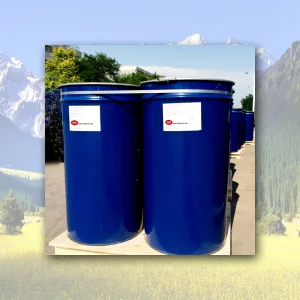
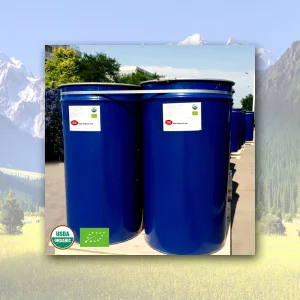
The standard packaging for global shipping. Sealed in aseptic bags within protective steel drums, maintaining freshness for up to 24 months without refrigeration. This configuration simplifies warehouse management and reduces waste in high-volume production lines.
Every factory has unique viscosity and formulation requirements. We adjust processing temperatures and evaporative settings to deliver custom soluble solids (ranging from 18% to 38%) tailored to the texture of your chili or sauce products.
Importing agricultural products requires clear regulatory compliance. We provide complete documentation, including phytosanitary certificates, Certificates of Analysis (COA), organic certificates, and customs clearance support for all major global destinations.
Answers to common questions from food manufacturers and purchasing managers regarding organic certification, shelf-life, and customization.
 Abiding Food