Direct from our state-of-the-art facilities, we supply certified global ingredients matching international quality and performance standards.
Analyzing key value drivers, processing innovations, and regional requirements driving clean-label formulations worldwide.
Consumers require clean labels free from chemical residues. Modern factories utilize non-chemical, aqueous physical separation methods rather than hexane extraction to guarantee the organic integrity of the raw materials.
With increasing sensitivities, organic pea protein and brown rice protein are critical hypoallergenic options. Blending different plant protein sources helps achieve complete amino acid profiles (PDCAAS = 1.0) for sports nutrition products.
Processing properties like solubility, water-binding capacity, oil absorption, and emulsion stability are optimized. Advanced micro-milling enables super-fine particle sizes (under 325 mesh) to eliminate grittiness in ready-to-drink beverages.
Established Year
Years Organic Experience
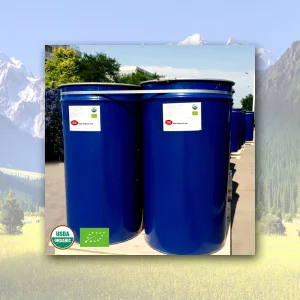
Strict Organic Certifications
Approved Global Supplier
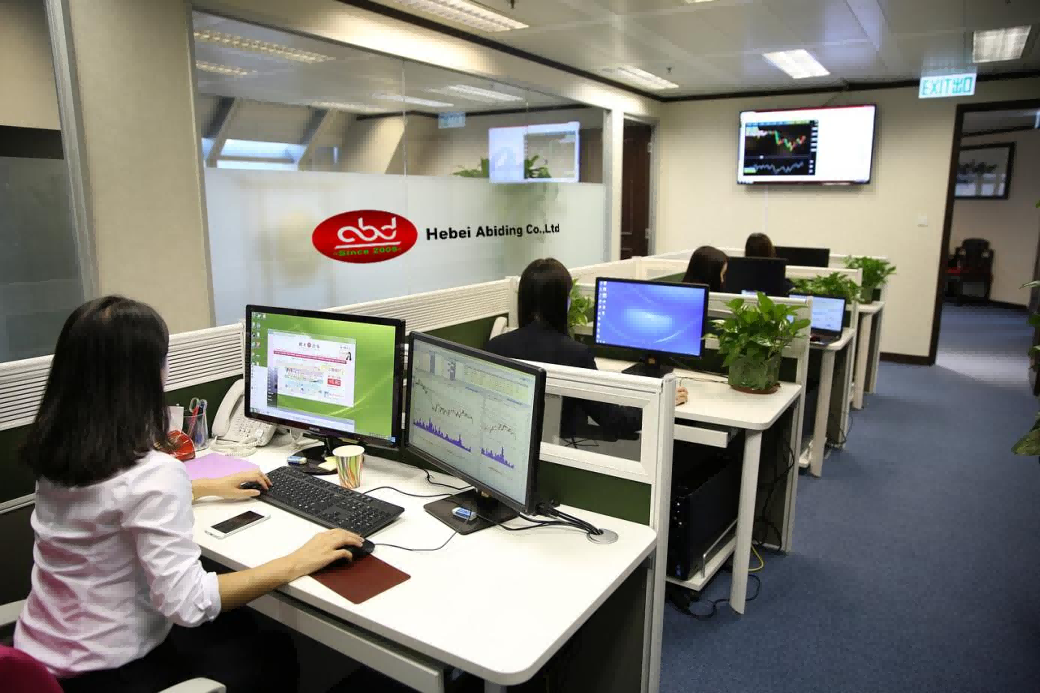
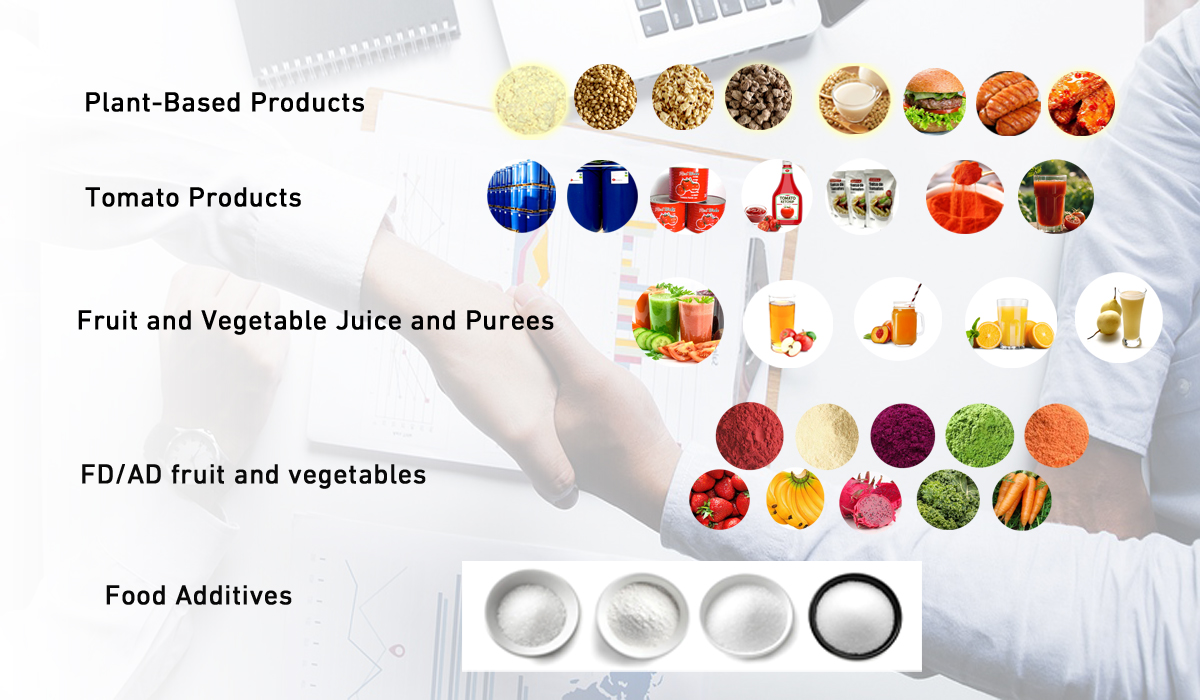
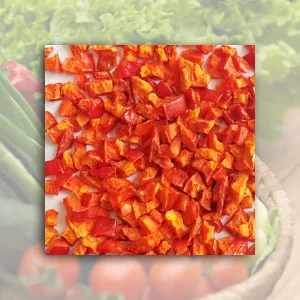
Hebei Abiding Co., Ltd. established in 2005 is a professional supplier of foods and food ingredients in China. We have one perfect mechanism including raw materials supplying, production, sales, after-sales service to ensure to supply the qualified products to the customers. Some of our core products we are handling are vegetable proteins, fruit and vegetable juice and purees, FD/AD fruit and vegetables, plant-based products and various food ingredients and additives.
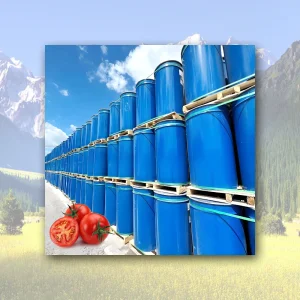
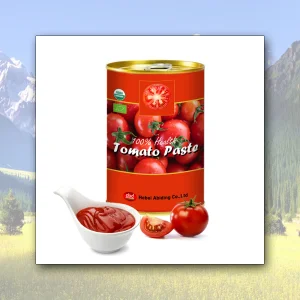
Why Choose Us: As a certified EU & NOP organic products supplier with more than 20 years experiences in the organic food fields, we have been ranked the largest exporter of the organic tomato paste in China for many years. We have our own organic farms and processing facilities in different provinces in China to ensure that our products strictly comply with organic standards.
Combining structural safety protocols with extensive market intelligence to serve global manufacturing demands.
It is well known that more and more people care to take the healthy, safe and nutritious foods. The foods with the high protein, high fiber, low calorie, Vegan, GMO free, gluten free and even Keto friendly are more popular. With our good experience in the organic fields, we successfully explore the products with such special characters to meet the customer requests.
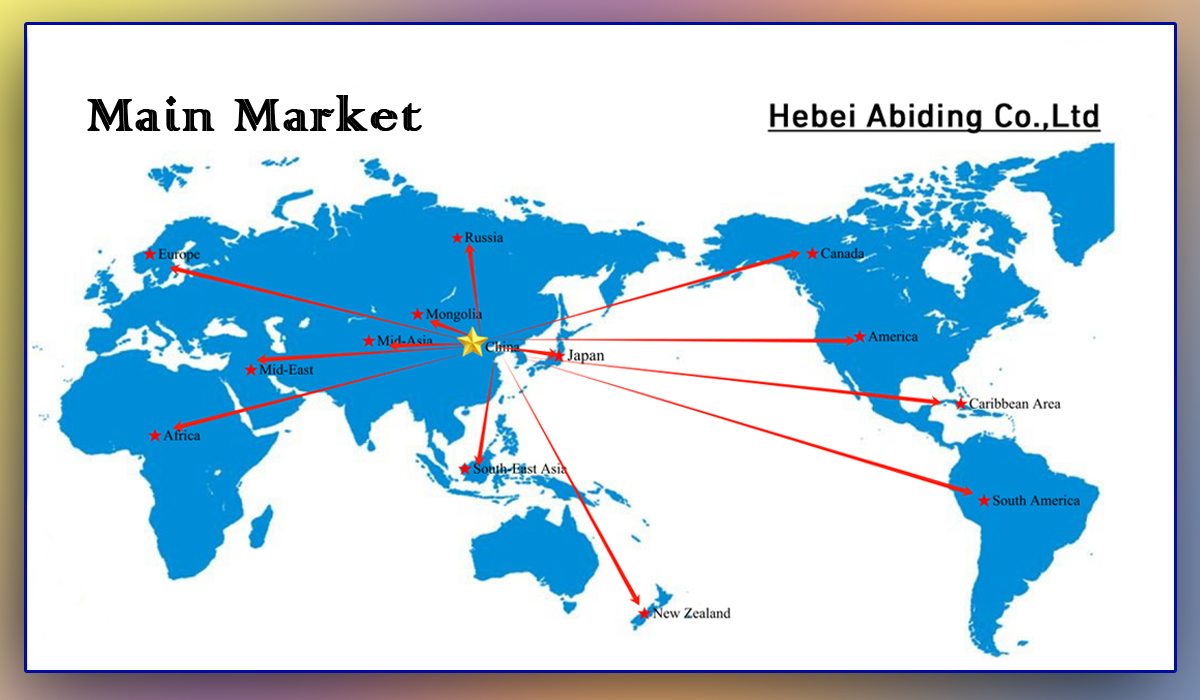
We have established long-term and stable business cooperation with many customers around the world and have won the good reputation there. It is our honor to be one qualified supplier certified by Nestlé and other world famous companies. We continue to provide our best service to customers to share the mutual success of long term collaboration.
Our purpose: To provide customers with healthy and safe products, to provide customers with the most intimate service. Survival by quality, development by characteristics, so as to form a fast and efficient management team and quality traceability system. To achieve the purpose of "character, food, conscience, love."
Our Objectives: To synchronize with environmental protection, with health, gather wisdom, seek common development, and build an excellent enterprise.
Why modern global corporations rely on Chinese protein extraction facilities to scale production while retaining nutrient profile integrity.
Chinese factories are located near massive ecological farming bases. This geographic integration minimizes raw material transport times, ensuring that peas, soy, and rice are processed when fresh, minimizing oxidation and off-flavors.
By employing low-temperature physical solubilization and centrifugation rather than chemical extraction, our processing lines retain the native structure of the plant protein, ensuring superior dispersibility and foam stability.
Our plants adhere strictly to sustainable environmental regulations, implementing zero-liquid discharge (ZLD) purification techniques. This minimizes water footprints while reducing production overheads passed down to the customer.
Understanding how different protein characteristics fit specific end-user product lines.
R&D teams combine organic pea isolate with organic brown rice protein to build a rich amino acid matrix. Highly micronized powders with minimal gritty mouthfeel are vital for chocolate, vanilla, and neutral-flavored shake bases.
Used to fortify vegan milk, yogurt, and cheese formulations. Plant proteins require excellent emulsification properties and thermal stability to prevent separation during high-temperature short-time (HTST) pasteurization.
Utilizing high-moisture extrusion technology, organic plant proteins are processed into fibrous textures replicating muscle fibers, satisfying market demands for vegan burgers, nuggets, and jerky.
Minimize supply risk by analyzing key testing metrics, certified documents, and logistics models.
Sourcing organic food ingredients at industrial scales requires rigorous verification protocols. When reviewing plant protein factories, the following quality metrics are non-negotiable:
At Hebei Abiding Co., Ltd., our established mechanism tracks product pathways from our organically managed farms directly through extraction, laboratory verification, and final dry-bulk transport.
Answering crucial technical, commercial, and regulatory questions from raw materials to final packaging.
Explore our complete product catalog designed to support clean-label food, beverage, and agricultural industries globally.
 Abiding Food