Premium agricultural outputs, botanical fractions, and structural ingredients engineered for global distribution.
An analytical breakdown of macro market movements, structural transitions, and ingredient dynamics steering the next decade of alternative protein procurement.
The commercial landscape for meat alternatives has rapidly evolved from niche vegetarian products to a highly sophisticated global industry. Today's global brands, industrial food developers, and institutional buyers no longer look at plant-based meats as experimental projects. Instead, they view them as crucial tools for achieving supply chain stability, satisfying ESG compliance, and catering to the massive surge in "flexitarian" eating.
According to modern macroeconomic assessments, the global plant-based meat market is projected to reach billions in value by 2030, sustained by a compounded annual growth rate (CAGR) exceeding 15%. This growth is not merely a lifestyle choice; it is driven by long-term environmental concerns, changing regulatory policies on carbon outputs, and fluctuating prices in animal agriculture. Large-scale procurement teams require consistent, certified, and clean-labeled raw materials that can serve as direct, drop-in replacements for ground beef, poultry, pork, and seafood texturized systems.
The technological shift in alternative proteins focuses heavily on improving sensory performance, chewiness, water binding capability, and overall nutritional profiles. Historically dominated by isolated soy proteins, developers are expanding their portfolios to incorporate pea proteins, textured wheat gluten, and specialized binding networks like inulin and konjac. Inulin acts as a clean-label fat mimetic, while konjac-based matrices replicate the structural snap of animal fats and seafood texture. As international markets strengthen, B2B exporters must provide high-integrity, Non-GMO, and organic-certified bases to satisfy diverse consumer and regulatory standards.
A closer look at our institutional capability, certified processing facilities, and decades-long commitment to plant-based food production.
Established in 2005, Hebei Abiding Co., Ltd. is a leading professional supplier of foods and food ingredients in China. Over nearly two decades, we have developed a seamless, vertically integrated supply mechanism spanning raw material cultivation, processing, global trade, and rigorous quality control.
Our operational ethos is built on four core pillars: Character, Food, Conscience, and Love. Under these values, we strive to build a highly responsive management team and a fully traceable supply chain. This transparency guarantees that all shipments meet or exceed international health and safety regulations.
We are proud to serve as a long-term, qualified partner for some of the world's most prestigious food brands, including Nestlé. This partnership proves our ability to maintain strict quality standards, clean production practices, and reliable B2B supply chains even during challenging economic times.

We run dedicated organic farms and processing sites across multiple Chinese provinces. This setup ensures that our raw agricultural materials meet EU and NOP organic guidelines right from the soil.
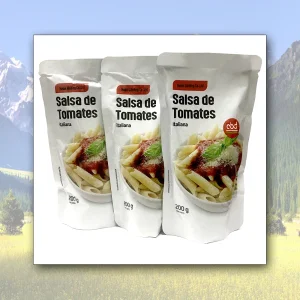
As a major producer and long-standing leader in exporting organic tomato paste from China, we use our farming and processing expertise to deliver top-tier plant-based ingredients worldwide.
We track every step of our production from raw ingredient to finished product. This transparent documentation gives buyers confidence that all imports comply with safety and regulatory standards.
How our manufacturing infrastructure translates raw agricultural inputs into cost-optimized, functional proteins for the global market.
Chinese food ingredient factories have redefined the global supply chain by combining large-scale production, advanced processing technology, and integrated supply networks. Hebei Abiding Co., Ltd. relies on this strategic framework to supply clean, high-performance plant protein ingredients at highly competitive wholesale rates.
Our processing facilities use state-of-the-art dry and wet extrusion technologies. This allows us to convert high-quality soy flour, spirulina, and konjac into ingredients with realistic, meat-like fibrous structures. Our factories utilize advanced automated controls for steam, temperature, and pressure. These precise adjustments alter the native structure of plant proteins, ensuring they mimic the chewiness, bite, and mouthfeel of real meat.
| Factor | Typical Western Manufacturing Model | Abiding Foods (China) Optimization Model |
|---|---|---|
| Raw Material Sourcing | Segmented supply chains with high regional transport overheads. | Direct, vertically integrated organic farms and local processing sites. |
| Processing Scalability | High energy costs and strict limitations on batch scaling. | High-throughput, automated continuous twin-screw extrusion systems. |
| Cost to Market Ratio | Premium pricing due to high operational, energy, and labor costs. | Highly cost-efficient processing, offering premium quality at lower prices. |
| Traceability Framework | Relies on third-party audits with potential structural gaps. | Internal, closed-loop traceability compliant with EU and NOP organic standards. |
By co-locating raw material extraction and extrusion facilities, we eliminate unnecessary logistics steps, reduce oxidation risk, and lower energy usage. This integration allows us to keep prices competitive and significantly reduces the carbon footprint of our operations, helping our global B2B clients meet their corporate sustainability targets.
Detailed guidelines on incorporating our plant-based raw materials and functional ingredients into diverse commercial food products.
Developing successful plant-based meats requires balancing protein structures, binder systems, fat alternatives, and liquid bases. Our team works closely with food scientists to design ingredients that blend easily into standard food production lines.
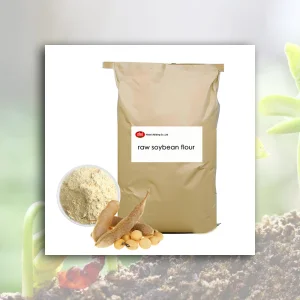
Our raw soybean flour and plant-based protein powders are designed for high water-holding capacity (WHC) and oil-holding capacity (OHC). They form the fibrous basis for plant-based burgers, sausages, and nuggets, providing a satisfying, meat-like chew.
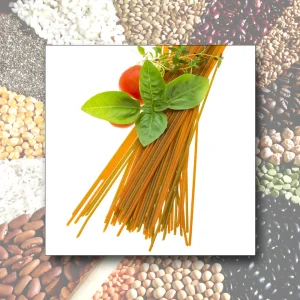
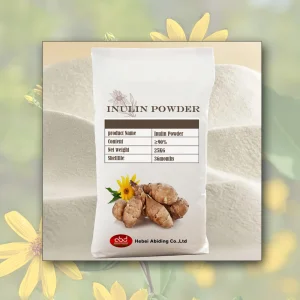
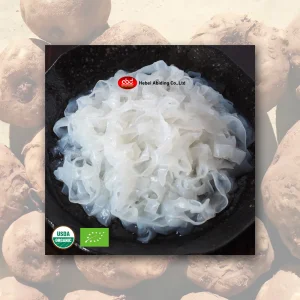
Using inulin powder and organic konjac pasta elements allows developers to create clean-label fat alternatives. These ingredients replicate the rich texture of animal fat in vegan sausages, keeping the product juicy without relying on modified starches or synthetic gums.
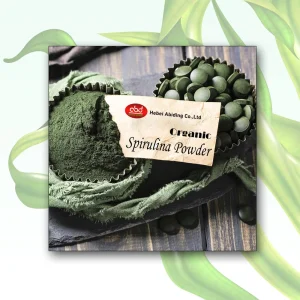
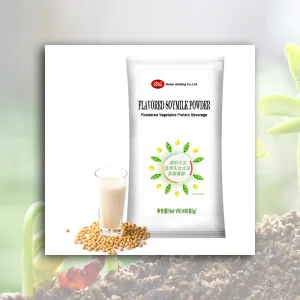
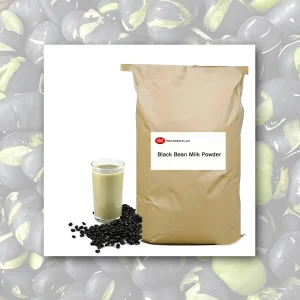
Our flavored soymilk powder, organic spirulina, and black bean milk powder serve as highly nutritious, high-protein bases. They are perfect for protein-enriched functional drinks, meal replacement shakes, and dairy-free cheese or yogurt alternatives.
Strategic insights into the market shifts, regulatory updates, and consumer demands shaping the future of plant-based foods.
As the market matures, the demand for alternative proteins is moving toward clean-label ingredients, nutritional transparency, and minimal processing. Consumers are looking beyond basic meat replacements and reading ingredient lists closely, favoring products with fewer, easily recognizable ingredients.
This shift makes non-GMO, organic-certified plant proteins increasingly important. Brands are replacing synthetic methylcellulose binders with natural alternatives like konjac root fibers, chicory-derived inulin, and specialized vegetable starches. These ingredients maintain structural integrity during cooking while keeping a clean label.
In addition, the demand for allergen-free proteins is growing. While soy and wheat gluten remain popular for their functional benefits, pea, faba bean, and ancient grain proteins are gaining ground. Working with a versatile manufacturer like Hebei Abiding Co., Ltd. helps brands quickly adapt to these shifting market preferences.
Answers to key regulatory, technical, and logistic questions from global procurement managers and food developers.
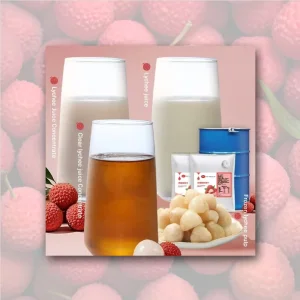
Providing reliable sourcing for organic agricultural concentrates, dried fruits, and functional plant powders.
 Abiding Food