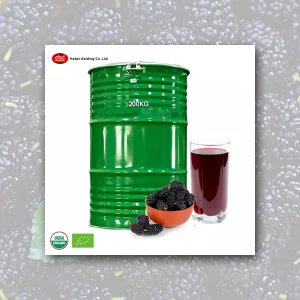
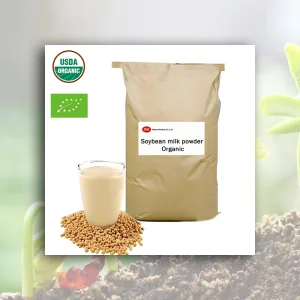
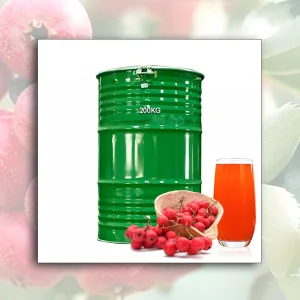
Explore our certified export-grade raw materials and concentrates engineered for global enterprise food manufacturing.
The global food industry relies heavily on the 400g canned whole peeled tomato format as the absolute baseline for retail, foodservice distribution, and industrial culinary processing. From retail private labels to bulk ingredients for pizza sauce manufacturers, pasta sauce processors, and ready-meal manufacturers, securing a stable, quality-compliant, and cost-effective supply chain is critical. Modern procurement demands more than just low pricing; it requires structural transparency, rigorous microbiological safety parameters, heavy metal compliance, and consistent sensory performance.
China has established itself as one of the premier agricultural powerhouses for tomato production, specifically in regions with high diurnal temperature ranges and vast solar irradiance. These regions produce tomatoes with elevated lycopene content, excellent natural acidity-to-sugar ratios, and structural robustness suitable for the steam-peeling and canning processes. In this whitepaper, we dissect the manufacturing engineering, agricultural sourcing criteria, shipping logistics, and compliance frameworks required to execute bulk imports of premium 400g whole peeled tomatoes.
Global standard metrics for B2B procurement of whole peeled tomatoes in 400g cans.
Standard canned juices and covering medium are adjusted to a Brix range of 5.0% - 6.5% for standard packs, with premium levels reaching 7.0%+. The natural pH is tightly controlled between 4.2 and 4.5 using minor citric acid inputs to inhibit spore-forming bacteria (such as Clostridium botulinum) without degrading the natural umami profile.
Standard export requirements mandate a minimum drained weight of 60% of the net weight. For a 400g declared container, this translates to a minimum of 240g of whole, unbroken tomato solids. The integrity of the fruit is maintained via precise calcium chloride (CaCl2) food-grade additions (typically < 0.045% of calcium ions) to reinforce the cell wall pectins during thermal sterilization.
Commercial sterility is achieved through high-temperature retorting processes (F0 values target > 3.0). Heavy metal traces are rigorously maintained within strict safety limits: Lead (Pb) ≤ 0.1 mg/kg, Tin (Sn) ≤ 200 mg/kg (for unlacquered tinplate) or ≤ 50 mg/kg (for fully lacquered BPA-Ni cans), complying directly with EFSA and FDA directives.
The vast majority of processed tomatoes from China originate in the Xinjiang and Inner Mongolia regions. Located in the ideal geographic latitude for tomato cultivation, these areas experience up to 16 hours of daily sunshine, virtually zero rainfall during the critical ripening and harvest period (reducing fungal and bacterial crop diseases), and significant day-and-night temperature variances. This unique microclimate results in tomatoes with exceptional lycopene concentrations (often exceeding 50mg/100g fresh weight), low volatile acidity, and high natural solids content.
China's processing factories utilize advanced European machinery (including Rossi & Catelli and FBR ELPO extraction and evaporator systems) for paste processing and filling. The integration of mechanical harvesting and high-speed processing lines allows tomatoes to go from the vine to the vacuum-sealed, pasteurized can within 4 to 6 hours. This ultra-fast processing window preserves the natural flavor, color intensity, and vitamin profiles, eliminating the risk of pre-processing fermentation.
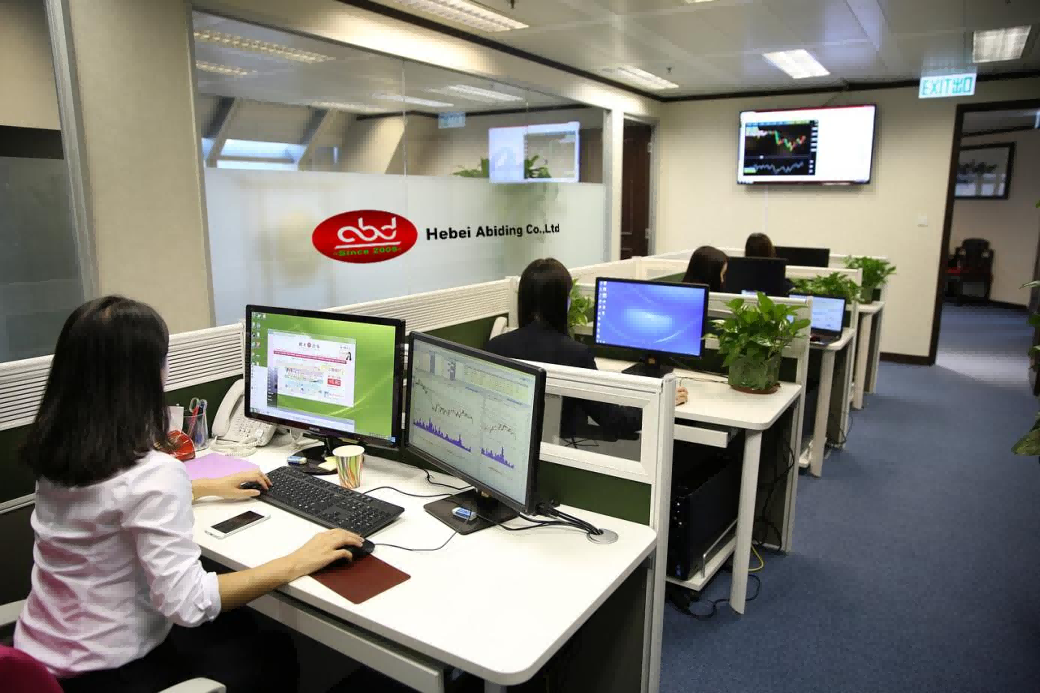
Established in 2005, Hebei Abiding Co., Ltd. has developed into a premier supply chain leader of foods and premium food ingredients in China. Over nearly two decades of operation, we have engineered a comprehensive quality-control loop encompassing raw material cultivation, processing, packaging, rigorous testing, and cross-border logistics to deliver high-quality products to demanding global markets.
As a certified EU & NOP organic products supplier with more than 20 years of experience in organic agriculture, we have been ranked the largest exporter of organic tomato paste in China for many years. We operate dedicated organic farms and modern processing facilities across different provinces, ensuring complete crop-to-can traceability and structural alignment with international organic certification bodies.
Direct B2B importing requires compliance with regional agricultural laws, customs protocols, and food safety standards. Hebei Abiding Co., Ltd. maintains a dedicated regulatory compliance team that interfaces directly with local customs brokers, laboratory authorities, and third-party inspectors to ensure trouble-free port-of-entry clearance.
For the United States and Canada, we offer full FDA Food Facility registration, FCE (Food Process Filing) and SID (Submission Identifier) filings for low-acid canned food products. Our 400g whole peeled tomato cans comply with standard fill of container requirements, heavy metal restrictions, and are formatted for Canadian Safe Food for Canadians Regulations (SFCR) labeling requirements, including dual-language nutritional facts panels.
We strictly match our processes with EU food laws, adhering to Regulation (EC) No 396/2005 for maximum residue limits (MRLs) of pesticides and EU Regulation 1881/2006 for contaminants. Our packaging relies on high-specification, internal lacquer-lined cans to prevent migration of bisphenols or metals into the acidic tomato medium, in full compliance with current European directives.
Furthermore, Hebei Abiding is certified by global brands including Nestle and is continuously audited to meet BRCGS, IFS, and HACCP standards. This structural dedication ensures that our 400g whole peeled tomatoes can be integrated directly into retail channels or industrial recipe preparation without localized repackaging or secondary compliance validation delays.
How our B2B partners deploy 400g whole peeled tomatoes across distinct sectors.
The 400g size is the most widely sold retail configuration. We offer custom lithographed cans or high-gloss paper labeling with full retail barcoding, custom recipe formulations (e.g., tomatoes in rich juice, with added basil, or low sodium), ready for supermarket shelves.
Catering operations and restaurants rely on 400g cans for daily sauce bases. The easy-open lids speed up prep work, and the standardized solid weight ensures precise portion control and recipe consistency across chains.
Ready-meal factories use whole peeled tomatoes to achieve a chunky, authentic Italian sauce texture that crushed paste cannot provide. The high heat resistance of our whole tomatoes ensures they retain their shape during secondary thermal processing.
The global consumer focus is shifting rapidly toward clean label formulations, structural environmental sustainability, and guaranteed provenance. As a response to these market forces, Hebei Abiding Co., Ltd. has developed forward-looking strategies to ensure our agricultural and processing operations remain at the forefront of the industry:
Every batch of our tomatoes can be traced back to the specific agricultural plot where it was grown. By monitoring water usage, fertilizer inputs, and harvest timing, we provide transparent crop lifecycle reporting to our global buyers, enabling them to fulfill their corporate ESG metrics.
In response to international legislation restricting bisphenol compounds in food contact materials, our factories have updated our supply channels to feature BPA-NI coatings, ensuring complete compliance with the strictest safety standards globally.
Clear, technical answers to typical regulatory and logistics questions from procurement managers.
Additional premium food ingredients, fruit concentrates, and plant-based protein powders from our modern facilities.
 Abiding Food