Explore our core selection of certified organic proteins, concentrated fruit extracts, and plant-based functional ingredients engineered for global distribution.

Understanding shifting macroeconomic demands, processing realities, and procurement metrics for modern plant-based protein supply chains.
In the contemporary global food matrix, the demand for high-purity protein alternatives has migrated from a niche dietary preference to a central pillar of industrial food processing. As modern consumers demand clean-label, functional, and allergen-friendly options, food technologists and brand procurement managers are searching for soy isolate protein powders that provide superior physiological benefits. From meat extending and plant-based analogs to dietary supplements, clinical enteral nutrition, and powdered beverages, soy protein isolate remains the gold standard in plant-derived functional ingredients.
However, obtaining stable supply lines of high-purity soy isolate powder requires a deep understanding of manufacturing processes. Procurement teams are not just buying protein content; they are looking for specific performance properties such as water-binding capacity, oil emulsification indexes, gel strength under thermal load, and a neutral sensory profile. The challenge lies in selecting soy isolate manufacturers capable of offering consistent batch-to-batch quality, rigorous traceability, and strict compliance with international food safety frameworks.

Critical for meat analogs and dairy alternatives. Soy protein isolates offer high oil-and-water binding ratios (up to 1:5:5) to prevent phase separation and optimize texture.
Thermally induced gel networks provide essential structural elasticity in sausages, processed meats, and high-moisture meat analogues (HMMA).
Advanced spray-drying and steam de-flavoring processes minimize beany notes, ensuring smooth formulation properties in dairy alternatives and functional powders.
Leveraging over two decades of processing expertise and supply chain integration to provide global markets with safe and sustainable foods.
Established in 2005, Hebei Abiding Co., Ltd. has grown into a leading supplier of foods, plant proteins, and premium food ingredients in China. Our integrated processing framework is designed to satisfy the strict requirements of global food manufacturing giants. We manage a complete traceability pipeline from organic seed procurement and farm cultivation to advanced protein isolation, global shipping, and local compliance certification.
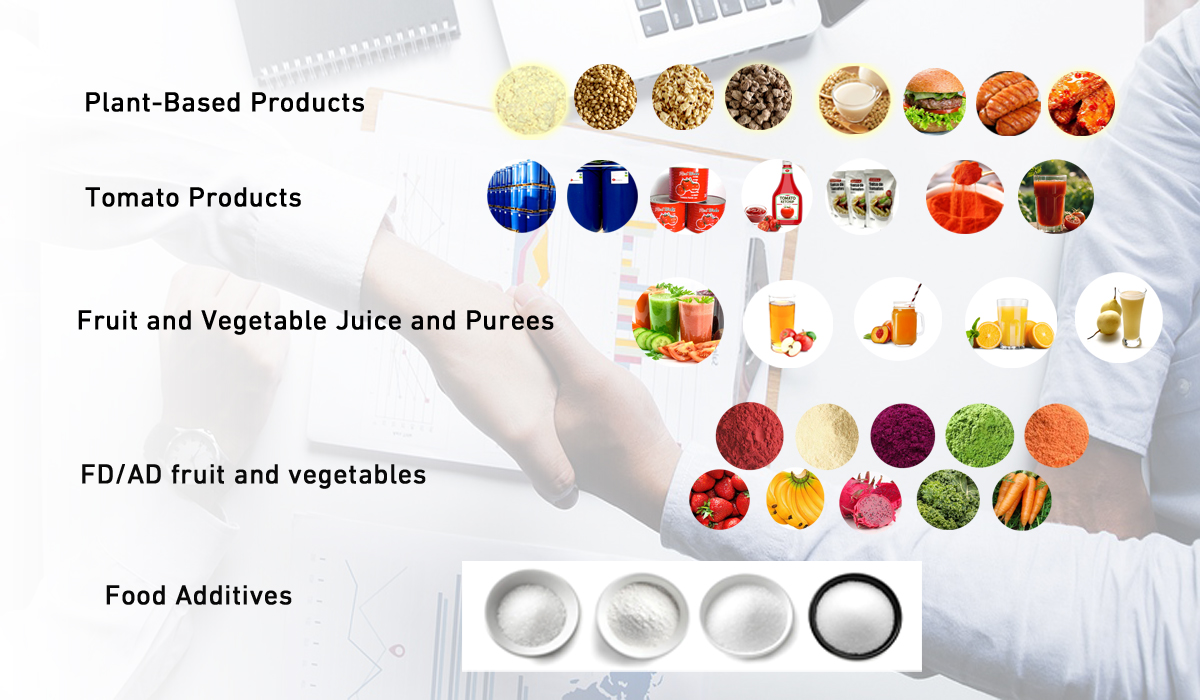
Our processing capabilities extend beyond plant proteins. As a certified EU & NOP organic products supplier with more than 20 years of experience, we have been ranked as China's largest exporter of organic tomato paste for multiple consecutive years. This level of scale, safety assurance, and logistic expertise is integrated into our soy isolate protein powder manufacturing operations.

A breakdown of the extraction processes, parameter controls, and functional grades of our Soy Protein Isolates.
The transition from raw soybean to high-purity soy isolate protein powder (>90% dry basis) requires careful control of pH levels, thermal profiles, and mechanical separation. Unlike soy concentrates (typically containing ~70% protein) or raw soy flours, isolated soy protein is processed to remove water-insoluble carbohydrates, dietary fibers, and oligosaccharides that cause gastrointestinal discomfort. Our production facility uses advanced wet extraction and isoelectric precipitation processes to ensure a clean protein matrix.
Non-GMO de-fatted soy flakes are mixed with water. Under alkaline conditions, the storage proteins (primarily glycinin 11S and beta-conglycinin 7S) dissolve, separating from the insoluble cellulosic fiber fraction.
After separating the fiber residue, the liquid phase is adjusted to the isoelectric point of soy protein (pH 4.5) using food-grade acids. The proteins precipitate out of the solution, allowing the separation of soluble sugars.
The protein curd is collected and washed. It is then neutralized to pH 6.8 - 7.2 using food-grade sodium or potassium hydroxide. The neutral slurry undergoes high-temperature steam injection to eliminate microbial activity and reduce enzyme activity (such as lipoxygenase, which causes "off-flavors").
The pasteurized slurry is homogenized under high pressure to standardize particle sizes, then spray-dried in a tall-form drying chamber. This yields a free-flowing, dispersible powder with excellent hydration characteristics.
Matching specific soy protein properties to the performance needs of various food processing sectors.
Our high-emulsification and gelation grades are designed to replicate the structural bite of animal protein. They absorb water and fat at ratio profiles of 1:5:5, preventing moisture loss during thermal processing of hot dogs, sausages, and patties.
For RTD shakes, meal replacements, and dry-blend beverage mixes. These grades feature low-viscosity, rapid dispersion, and high thermal stability to ensure smooth mouthfeel and prevent precipitation over shelf life.
Specially developed low-viscosity soy isolates that dissolve completely in brine solutions. Ideal for injecting into whole muscles, hams, and poultry to increase yields while maintaining juicy, tender texture profiles.
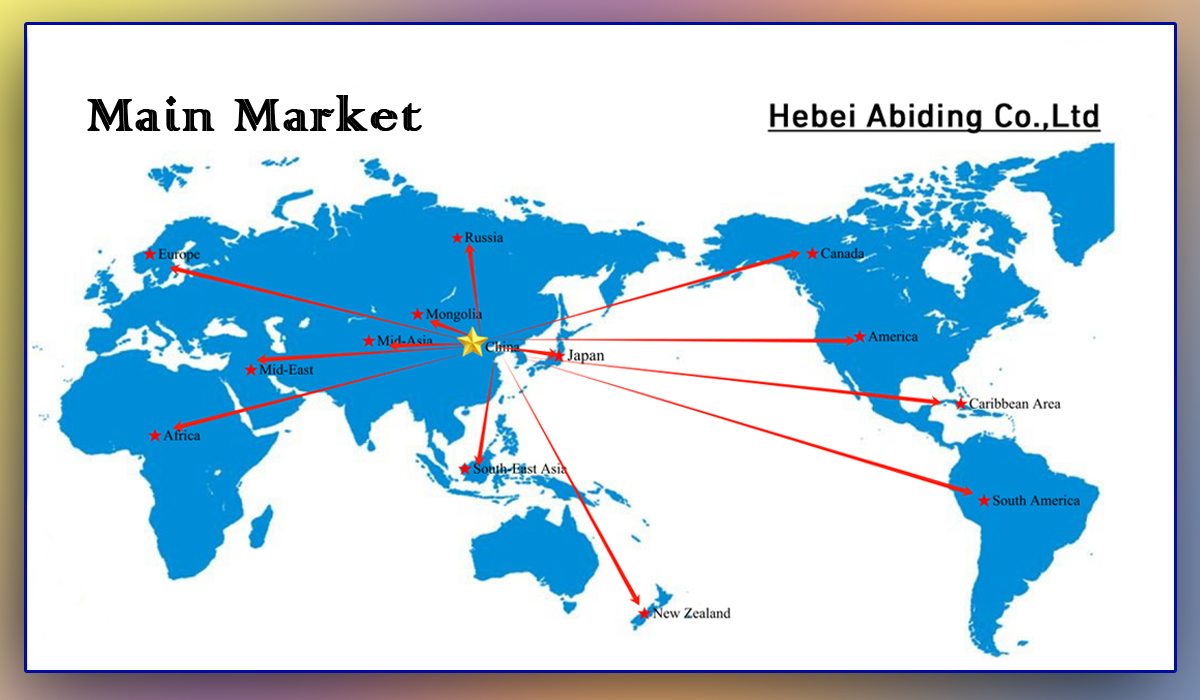
How Hebei Abiding Co., Ltd. ensures safety, traceability, and global market access for food ingredients.
Navigating the complex import and food safety regulations of the European Union, North America, and the Asia-Pacific region is a primary concern for procurement officers. A single non-compliance report at customs can disrupt production timelines. Our quality control system is built around preventative management, strict raw material selection, and clean-room processing conditions.
Our soy protein isolate plants implement strict allergen-segregation procedures, heavy metal screening, and pesticide residue verification. We also maintain a complete IP (Identity Preservation) non-GMO tracking system. This guarantees that our soy isolates remain free from genetically modified traits from agricultural field to final packaging.

Embracing clean extraction technologies to improve flavor, dissolve rates, and functional properties.
As the plant-based protein market evolves, standard soy isolation processes are reaching their limits. Future food designs demand ingredients with higher clean-label profiles and reduced environmental footprints. Hebei Abiding Co., Ltd. is actively investing in next-generation extraction methodologies to support food developers worldwide.
Applying target proteases to clip peptide chains at precise points. This reduces allergenicity, improves solubility in acidic beverages, and enhances digestion rates.
Pioneering green extraction systems that minimize chemical use. Using subcritical water as an extraction solvent preserves natural protein conformation and structures.
Combining high-vacuum deodorization systems with microbial fermentation steps to block aldehydes and ketones. This ensures a clean flavor base for dairy-alternative yoghurts and cheeses.
Quick reference answers for B2B R&D teams, Quality Assurance managers, and purchasing professionals.
Soy Protein Isolate (SPI) undergoes acid precipitation to remove soluble sugars, dietary fibers, and oligosaccharides, yielding a protein content of >90% on a dry basis. Soy Protein Concentrate (SPC) retains the fiber matrix and generally has a protein content of around 70%. Isolates are preferred for applications requiring strong emulsification, high gel strength, and neutral flavor profiles.
Yes, Hebei Abiding Co., Ltd. uses a verified Identity Preservation (IP) system to track non-GMO soybeans from planting to final protein extraction. Complete IP documentation is supplied with every shipment.
Our facilities follow strict GMP allergen control plans. Since soy is a major allergen, our production lines for soy isolate are dedicated and separate from non-allergen operations. We perform thorough wet cleaning validation and allergen testing between runs.
We are certified organic under both European Union (EU) Organic and National Organic Program (NOP) USDA regulations. Our compliance is verified yearly by accredited third-party certification bodies.
Yes, our R&D team works closely with customers to adjust viscosity, particle size distributions, and emulsification strengths to meet their specific product formulation needs.
Explore our complete product portfolio, including fruit concentrates, wholesale plant starches, and organic noodles.
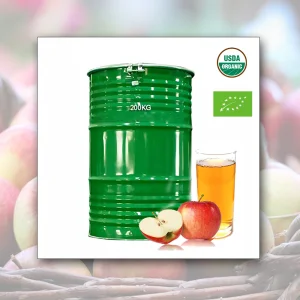
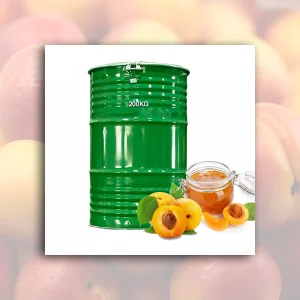
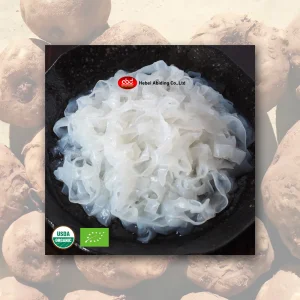
 Abiding Food