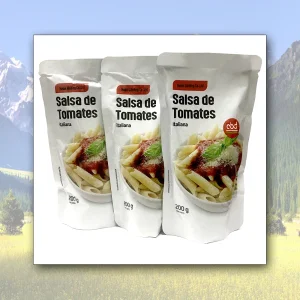
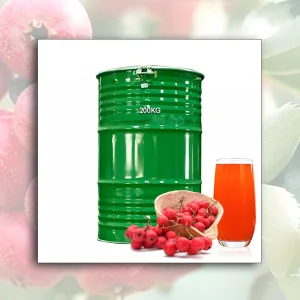
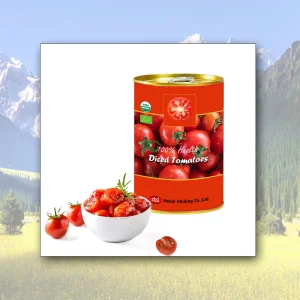
Explore our diverse food ingredients portfolio. Click on items below to examine specific technical characteristics, organic compliance files, and global logistical capabilities.
A Comprehensive Evaluation of the B2B Protein Ingredient Landscape and Structural Market Drivers
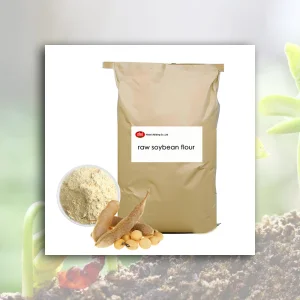
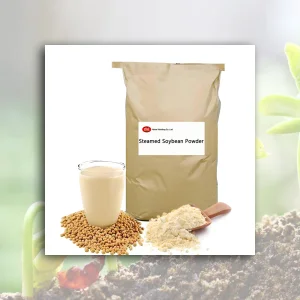
In the contemporary global food manufacturing and ingredients sector, roasted soybean flour (often commercially matching the characteristics of *Kinako* or steamed-roasted soy powder) has emerged as an indispensable multi-functional raw material. By subjecting high-protein, non-GMO soybeans to precise, dry-heat thermal processing, manufacturers achieve multiple concurrent goals: the thermal inactivation of anti-nutritional factors (such as trypsin inhibitors and lipoxygenases), the stabilization of naturally occurring fats against oxidative rancidity, and the development of a complex, nutty, and savory aroma profile. This distinct profile is highly prized in baking, infant nutrition, functional foods, beverage stabilization, and plant-based protein formulations.
The industrial demand for high-quality roasted soybean flour has transcended traditional East Asian markets. In North America and the European Union, the functional bakery and protein fortification sectors have integrated this ingredient to replace expensive animal proteins, reduce dairy dependencies, and clean up product labels. Thanks to its rich lipid profile and protein binding capabilities, it functions as a natural emulsifying agent, helping bakery plants manage dough yield, crumb elasticity, and moisture retention over extended distribution cycles.
As a leading supplier in Hebei, China, Hebei Abiding Co., Ltd. has established a sophisticated mechanism that bridges the gap between raw agriculture and high-end industrial ingredient requirements. Since our foundation in 2005, we have committed ourselves to engineering clean-label plant protein products that address not only nutritional targets, but also the stringent regulatory demands of global corporate buyers. From the sourcing of non-GMO raw beans through automated dry-cleaning, custom profile roasting, and multi-stage precision milling, our operations deliver the consistency required by high-speed production plants worldwide.
Modern consumers actively demand transparency. The transition away from synthetic food additives has pressured research and development departments to seek plant-derived alternatives. Roasted soybean flour acts as a natural binder, flavor enhancer, and texturizer, allowing brands to formulate clean labels without chemical emulsifiers. Moreover, the growth of gluten-free, keto, and low-glycemic diets has boosted the application of roasted soybean flour, which provides high protein and dietary fiber while keeping carbohydrates exceptionally low.
For multinational food buyers, procurement parameters extend far beyond unit price. Sourcing departments enforce strict limits on protein content, fat profiles, ash values, particle size distribution (mesh count), and microbiological counts. The biggest challenge in purchasing soybean flour is variation in roasting quality. Under-roasting leaves residual urease and lipoxygenase, causing bitter off-flavors and short shelf lives. Over-roasting degrades valuable amino acids (especially lysine) and darkens the color. Consistent, computer-monitored roasting profiles are critical for large-scale operations.
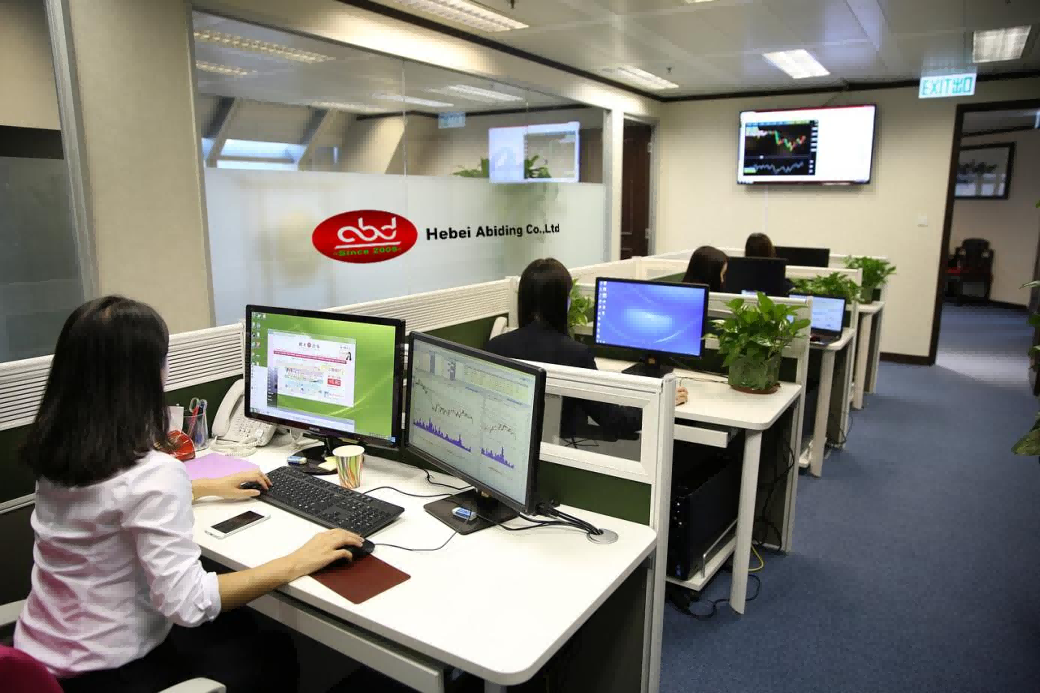
Global procurement teams prioritize three pillars when qualifying a soybean flour factory: Non-GMO Identity Preservation (IP), Protein Dispersibility Index (PDI) control, and Microbiological Traceability. As a Nestle-qualified vendor and EU/NOP organic-certified supplier, Hebei Abiding Co., Ltd. addresses these pillars with systematic validation reports, providing our partners with complete regulatory peace of mind.
How Advanced Automation and Smart Logistics Shield Global Brands from Ingredient Scarcity
The global ingredients landscape faces challenges like extreme weather, fluctuating shipping rates, and volatile raw material supplies. Against this backdrop, China's "Factory 4.0" initiative has transformed food production. Modern manufacturing facilities are no longer just basic milling operations; they are highly automated, data-driven ecosystems designed for precision and efficiency.
At Hebei Abiding Co., Ltd., we use advanced infrared thermal processing and high-velocity fluid bed roasters. Real-time temperature feedback loops keep the roasting environment within ±1.5°C of target values. This precision ensures uniform starch gelatinization and protein denaturation. Before roasting, our raw beans go through multi-spectral optical sorters. These systems detect and remove discolored beans, foreign matter, and damaged seeds, protecting the purity and color of the final flour.
A key strength of China's food production model is deep integration with regional agriculture. We operate dedicated organic farms and processing hubs in multiple provinces across China. This regional diversity protects our production schedules from localized weather issues or transport disruptions. Our digital tracing system records every batch from planting and harvest through roasting, milling, packaging, and dispatch. This transparency allows global buyers to quickly trace and verify the history of their ingredients.

Established in 2005, Hebei Abiding Co., Ltd. has grown into a leading supplier of foods and food ingredients in China. Our comprehensive service model spans raw material sourcing, production control, export sales, and responsive after-sales support. This structured approach ensures we consistently deliver compliant, high-quality products to food brands worldwide.
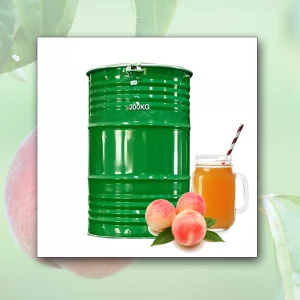
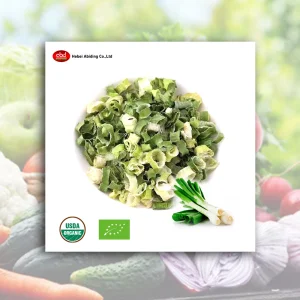
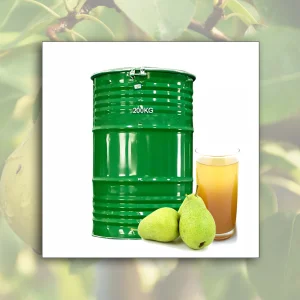
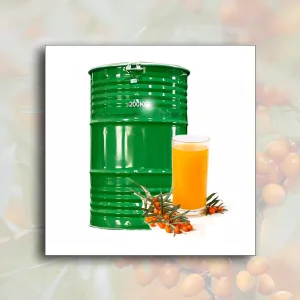
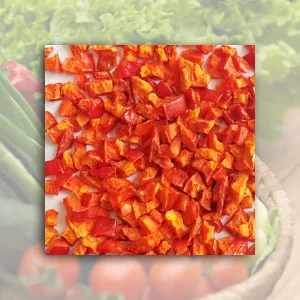
Our core portfolio features key ingredients designed to meet modern nutritional and functional demands, including: vegetable proteins, fruit and vegetable juice concentrates and purees, freeze-dried (FD) and air-dried (AD) fruits and vegetables, plant-based proteins, and various food additives.
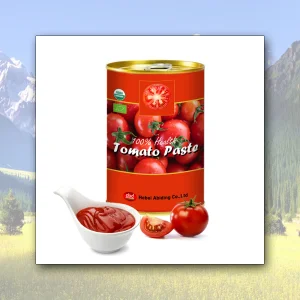
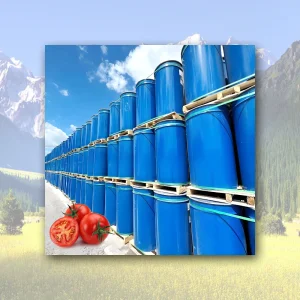
We are a certified EU and NOP organic supplier with over 20 years of experience in organic agriculture and processing. We are proud to have been ranked as one of China's leading exporters of organic tomato paste for many years. With organic farms and processing facilities located in multiple provinces, we maintain strict quality control that fully complies with international organic standards.
Our Purpose: To supply healthy, safe ingredients paired with attentive, dedicated service. We believe in building a fast, efficient management team and a robust traceability system. Our core philosophy is built on character, food quality, conscience, and care.
Our Objectives: To grow in harmony with the environment and human health, pool our expertise for shared progress, and build a reliable, sustainable business.
Our commitment to rigorous quality control has allowed us to establish long-term partnerships with customers around the world. We are proud to be a qualified supplier for Nestle and other leading global food manufacturers. Our team is dedicated to providing reliable service and sharing mutual success with our partners.
As consumer preferences shift toward cleaner and healthier products, we continue to develop high-protein, high-fiber, low-calorie, vegan, GMO-free, gluten-free, and keto-friendly options. Backed by our extensive experience in organic supply chains, we are ready to help our clients capture new opportunities in these growing, health-conscious markets.
Practical Formulation Guidance for R&D Engineers across Diverse Product Categories
To help product developers make the most of this ingredient, we have outlined common formulation strategies and usage levels for roasted soybean flour across key global markets:
Recommended Inclusion: 5% to 15% of total flour weight.
Function: Extends shelf life, improves water binding, creates a appealing golden crumb color, and imparts a warm, nutty aroma. Helps replace fat and eggs in vegan baked goods.
Recommended Inclusion: 2% to 8% in liquid bases.
Function: Increases natural protein levels, improves mouthfeel and viscosity, and eliminates the "beany" notes common to raw soy bases. Works well in RTD protein shakes and soy-milk alternatives.
Recommended Inclusion: 15% to 30% of dry mix.
Function: Acts as a nutrient-dense filler that provides protein and fiber while keeping carbs low. Its natural binders help hold bar formulations together, reducing the need for high-sugar syrups.
Our technical support team works closely with customer R&D departments. We can customize physical attributes—such as roasting profiles (light, medium, or dark) and particle sizes (from coarse grits to ultra-fine 200 mesh powders)—to match your processing requirements and target textures.
Technical Answers for Sourcing Managers, Food Scientists, and Quality Assurance Directors
Review the remainder of our agricultural exports. We maintain consistent processing standards across all product lines, backed by our 20 years of export experience.
 Abiding Food