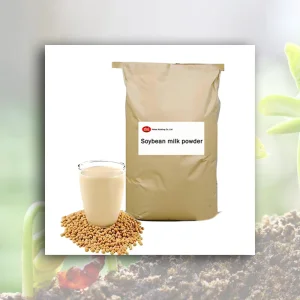
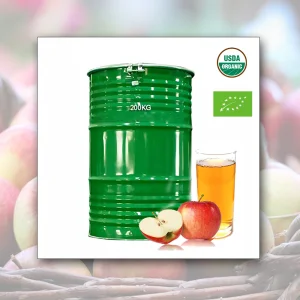
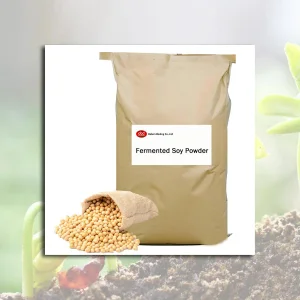
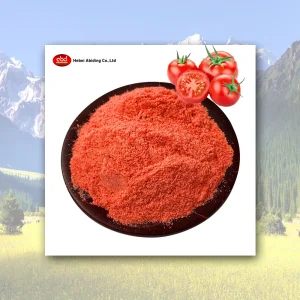
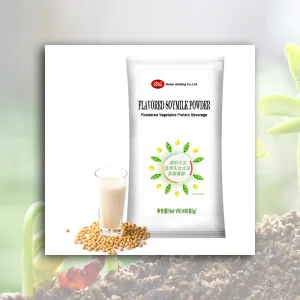
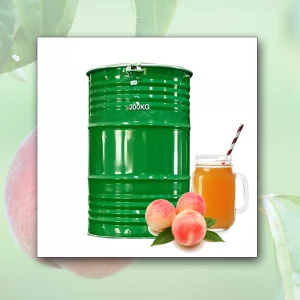
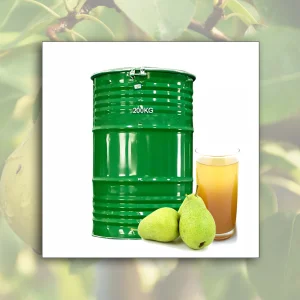
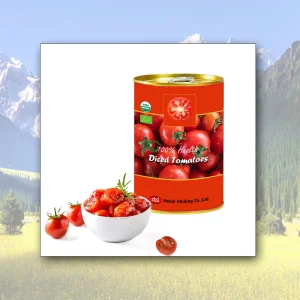
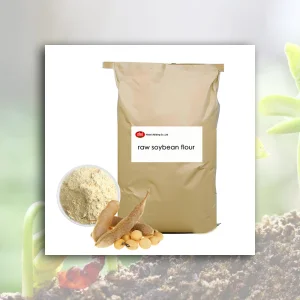
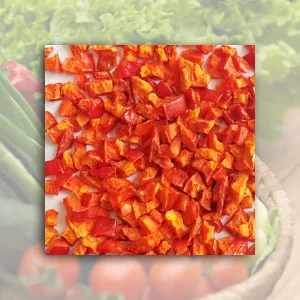
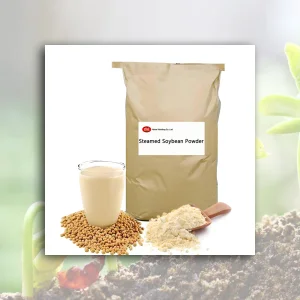
Explore our primary certified processing inputs engineered for bulk manufacturing, sauce formulating, and global supply chains.
In global food industrial processing, tomato paste is categorised by its processing temperature, which directly dictates the rheological properties of the final product. Understanding the mechanical distinction between Hot Break (HB) and Cold Break (CB) is vital for R&D engineers formulating ketchups, hot sauces, and structured canned goods.
Hot Break Tomato Paste is produced by rapidly heating chopped raw tomatoes to temperatures ranging from 85°C to 105°C immediately upon chopping. This intense, immediate heat deactivates the endogenous pectolytic enzymes: pectinesterase (PE) and polygalacturonase (PG). By inactivating these enzymes before they can break down the natural pectin polymers within the tomato cell walls, the structural network of the pectin is preserved.
The preservation of these long-chain pectin molecules results in a highly viscous, thick paste that exhibits a low Bostwick value (typically 3.0 – 5.5 cm/30 sec at 12.5% Brix). This high viscosity increases water-binding capacity, which is essential to prevent syneresis (water separation) in finished foods.
| Analytical Parameter | Hot Break Standard (Aseptic Drum) | Cold Break Standard (Aseptic Drum) | Industrial Application Importance |
|---|---|---|---|
| Concentration (Brix) | 28% - 30% / 36% - 38% | 28% - 30% / 36% - 38% | Determines dry solid yields and dilution ratios. |
| Bostwick Viscosity | 3.0 - 5.5 cm / 30 sec (at 12.5% Brix) | 7.0 - 9.0 cm / 30 sec (at 12.5% Brix) | Directly influences recipe texture and stabilizer usage. |
| Lycopene Content | Min 45 mg / 100g | Min 50 mg / 100g | Indicates raw tomato quality and aesthetic value. |
| Howard Mould Count | Max 40% (typically < 30%) | Max 40% (typically < 30%) | Key phytosanitary safety and quality benchmark. |
| A/B Color Value | Min 2.0 (Deep Red) | Min 2.1 (Bright Crimson Red) | Influences final product color without artificial dyes. |
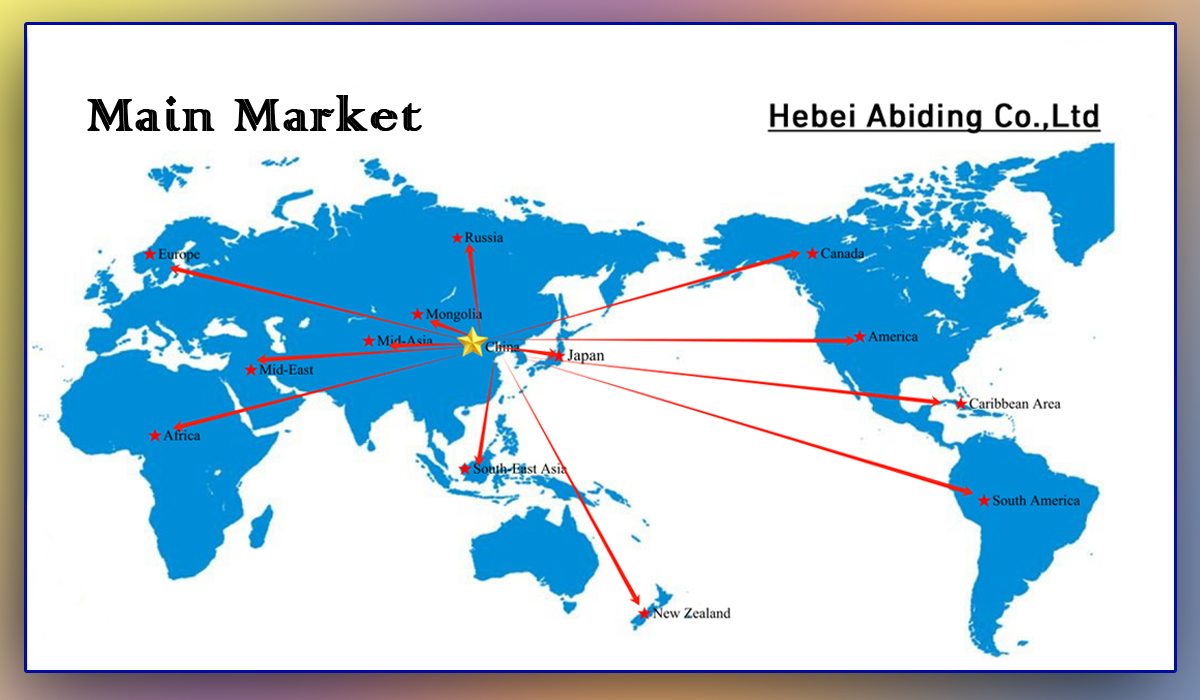
Hebei Abiding Co., Ltd., established in 2005, is a professional supplier of foods and food ingredients in China. Over nearly two decades of industrial growth, we have developed a comprehensive supply chain mechanism spanning raw materials sourcing, high-tech production processing, global logistics sales, and responsive after-sales services. This integrated framework ensures that we consistently deliver qualified, premium-grade ingredients to global markets.
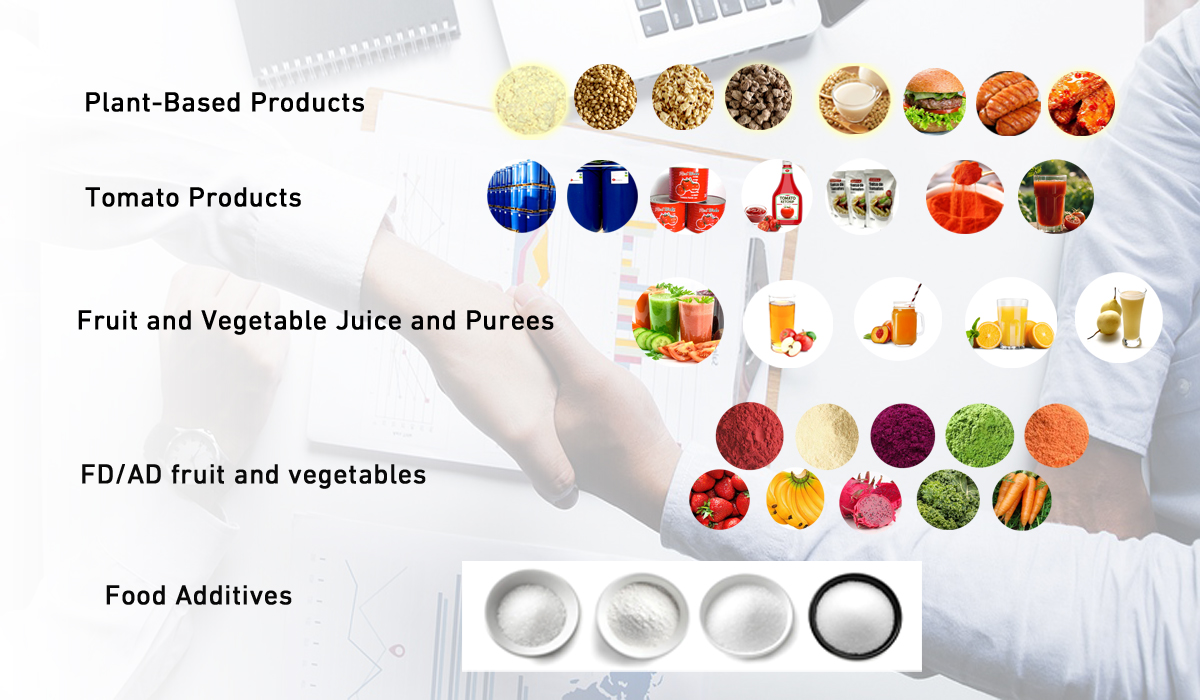
Our core product lines include vegetable proteins, premium fruit and vegetable juices and purees, Freeze-Dried (FD) and Air-Dried (AD) fruits and vegetables, plant-based products, and a wide array of functional food ingredients and chemical-free additives.

As a certified EU & NOP organic products supplier with more than 20 years of experience in the organic food sector, we have been ranked as the largest exporter of organic tomato paste in China for consecutive years. To guarantee compliance with international food standards, we operate dedicated organic farms and processing facilities in different provinces in China, enabling strict quality control from seed to drum.

Today's global consumers demand clean-label, safe, and highly nutritious foods. The market is shifting rapidly toward functional formulations that are high-protein, high-fiber, low-calorie, Vegan, GMO-free, gluten-free, and Keto-friendly. At Hebei Abiding, we utilize our rich experience in organic agricultural management to develop raw materials that meet these modern criteria, opening up valuable market opportunities.
We maintain long-term, stable commercial partnerships with major food enterprises globally. We are proud to be a qualified, audited supplier for Nestle and other prominent global food conglomerates. This qualification reflects our compliance with rigorous quality management audits, raw material traceability, and continuous supply chain validation.
Our core mission is to provide safe, traceable, and healthy agricultural products to our buyers. Guided by the values of "character, food, conscience, and love", we align our manufacturing with environmental preservation. Our goal is to build an eco-friendly enterprise where clean energy and strict waste management systems run parallel to our commercial production.

The tomato paste sector faces several key issues, including climate change affecting agricultural outputs, shipping disruptions, and strict pesticide limits in Western import regions. Hebei Abiding addresses these issues with practical logistics and farming strategies:
Climate fluctuations can impact Brix levels and yield volumes. To counter this, we operate farms across different geographical regions in China, ensuring that localized weather anomalies do not disrupt our raw material pipeline.
With strict EU and USDA organic certifications, our products offer full traceability. Buyers can trace each aseptic drum back to the specific agricultural zone, pesticide records, and harvest dates.
We employ real-time digital monitoring during the flash-heating phase to keep Bostwick indices consistent. This minimizes variation between batches, ensuring reliable behavior in industrial production lines.
Hot Break tomato paste is a versatile base ingredient used across various sectors of the global food industry:
The naturally high viscosity of Hot Break paste gives ketchup its characteristic slow pour and cling without requiring excessive artificial thickeners. It also reduces syneresis, keeping the product stable over its shelf life.
Hot Break paste forms a thick base that prevents moisture from soaking into pizza dough during baking. This helps maintain the desired texture of the crust in commercial kitchens.
In canned stews and pasta meals, Hot Break tomato paste remains stable under retort heating conditions. It maintains emulsification with fats and proteins, preventing phase separation in the can.
To maintain our position in the export market, Hebei Abiding is updating its manufacturing processes to improve efficiency and reduce environmental impact:
We use multi-stage filtration systems to recycle flume wash water, reducing overall consumption during the tomato washing process.
Our evaporators feature thermal vapor recompression (TVR) systems, capturing steam from the concentration stage to pre-heat incoming raw product.
We use optoelectronic sorting lines to remove yellow-tail and unripe tomatoes, ensuring a consistent a/b color index across batches.
Advanced filling valves and nitrogen purging help protect the product from oxidation, ensuring stability during long-term storage in steel drums.
The primary factors are Brix (concentration level, typically 28-30% or 36-38%), Bostwick value (measuring flow distance to confirm viscosity), color index (a/b ratio, which should be >2.0), and Howard Mould Count (HMC, which indicates raw material freshness and hygiene).
The high heat used in Hot Break processing deactivates natural enzymes that break down pectin. This preserves the tomato's long-chain pectin molecules, allowing the paste to bind water effectively and prevent separation in store-ready condiments.
Our paste is filled under sterile conditions into multi-layer aseptic barrier bags, which are then packed into 220-liter steel drums or 1000-liter wooden bins. These packaging formats protect the product during long-distance ocean shipping.
We hold both EU Organic and National Organic Program (NOP) certificates. We also maintain HACCP, ISO 22000, and Kosher/Halal certifications, and our facilities have passed Nestle's supplier audits.
Browse our expanded range of juices, concentrates, powders, and soy derivatives designed for global food processing channels.
 Abiding Food