In the rapidly evolving global food landscape, food processors and plant-based brand owners are constantly balancing the demand for high-performance meat alternatives with the economic reality of raw material budgets. Sourcing cheap Textured Vegetable Protein (TVP) (often referred to as Textured Soy Protein, TSP, or soy meat) from leading Chinese manufacturers and exporters offers the optimal compromise: unparalleled cost-efficiency combined with cutting-edge extrusion technology.
Textured Vegetable Protein is manufactured using defatted soy flour, soy protein concentrates, or wheat gluten. Under high shear, temperature, and pressure within modern twin-screw food extruders, these plant-based materials undergo structural reorganization. The globulin proteins denature and align to form a fibrous, cohesive molecular network resembling animal muscle tissue. For global procurement officers, understanding this manufacturing process is key to identifying partners who can deliver cheap TVP without sacrificing crucial parameters like water absorption index (WAI), oil-holding capacity, and textural density.
Textured Vegetable Protein is not a one-size-fits-all product. Different food formulations require specific visual and tactile shapes to blend seamlessly into meat analogs or meat extensions. As a professional exporter, we supply a range of cost-effective TVP types tailored for applications ranging from burger patties and canned meats to pet foods and direct culinary uses:
| Parameter / Quality Index | Granular TVP Grade | Chunk / Cube TVP Grade | Organic Soy Protein Grade | |
|---|---|---|---|---|
| Raw Material Source | Defatted Soy Meal (Non-GMO) | Soy Protein Concentrate / Gluten | Certified EU & NOP Organic Soybeans | |
| Crude Protein (dry basis) | ≥ 50.0% | ≥ 65.0% | ≥ 50.0% | |
| Moisture Content | ≤ 8.0% | ≤ 9.0% | ≤ 8.0% | |
| Water Absorption Capacity | 1:3.0 - 1:3.5 | 1:3.5 - 1:4.0 | 1:3.2 - 1:3.8 | |
| Shelf Life (Cool, Dry Storage) | 18 Months | 24 Months | 18 Months |
Why are Chinese manufacturers capable of supplying cheap TVP while matching the quality demands of blue-chip enterprises like Nestlé? The answer lies in structural supply chain advantages, massive scale economies, and proximity to non-GMO raw material production belts. China's Heilongjiang and Inner Mongolia regions represent some of the world's most critical non-GMO soybean cultivation basins. By sourcing raw materials domestically, Chinese processors avoid the massive ocean freight and tariff overheads associated with importing raw beans.
Furthermore, Hebei Abiding Co., Ltd. has established a highly sophisticated logistics network spanning from Northern China's agricultural zones directly to major industrial shipping terminals like Tianjin Port. This localized supply chain efficiency allows us to reduce processing and transport overheads by up to 15-20% compared to Western manufacturers.
Information Gain - Sourcing Tip: When evaluating "cheap" TVP, ensure the manufacturer offers IP (Identity Preserved) certification. Low-cost soy protein must still pass stringent DNA PCR tests to verify its 100% Non-GMO status, especially when importing into the European Union or North American markets.
Verbatim record of Hebei Abiding Co., Ltd.'s qualifications, experience, and corporate framework.
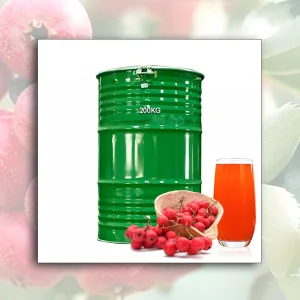
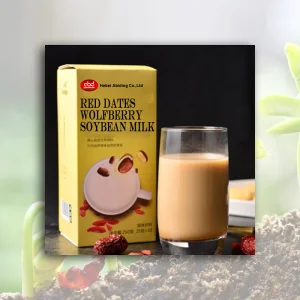
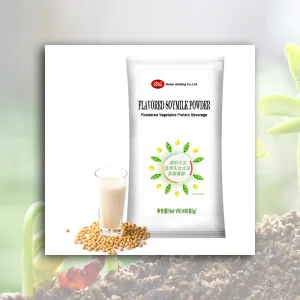
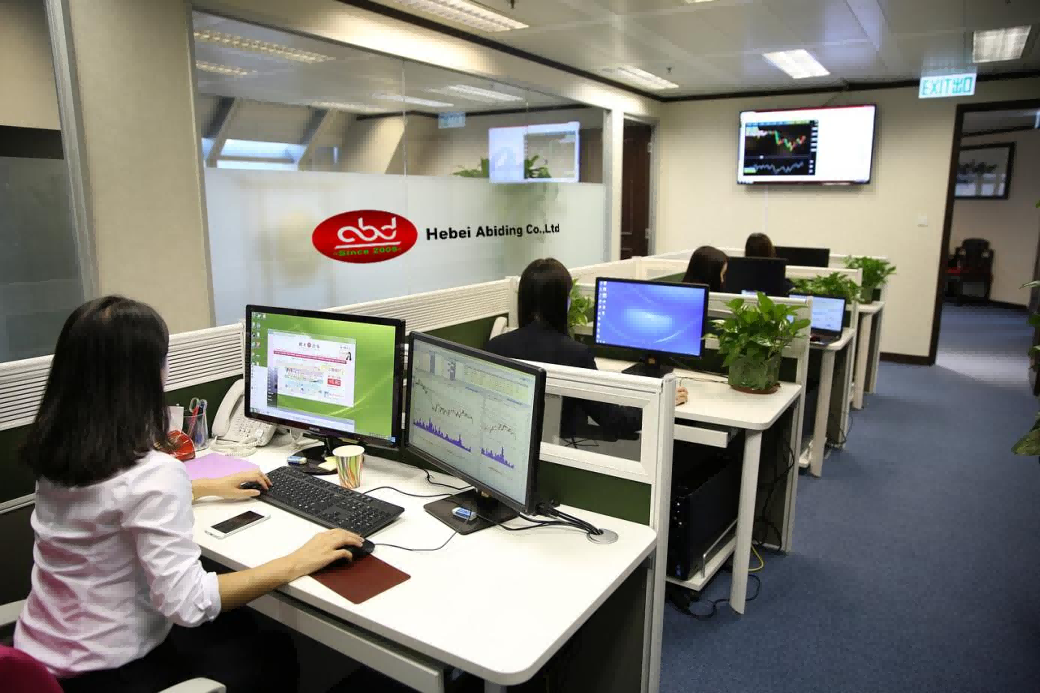
Hebei Abiding Co., Ltd. established in 2005 is a professional supplier of foods and food ingredients in China. We have one perfect mechanism including raw materials supplying, production, sales, after-sales service to ensure to supply the qualified products to the customers. Some of our core products we are handling are vegetable proteins, fruit and vegetable juice and purees, FD/AD fruit and vegetables, plant-based products and various food ingredients and additives.

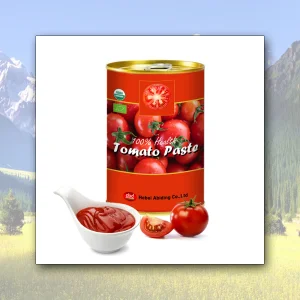
As a certified EU & NOP organic products supplier with more than 20 years experiences in the organic food fields, we have been ranked the largest exporter of the organic tomato paste in China for many years. We have our own organic farms and processing facilities in different provinces in China to ensure that our products strictly comply with organic standards.
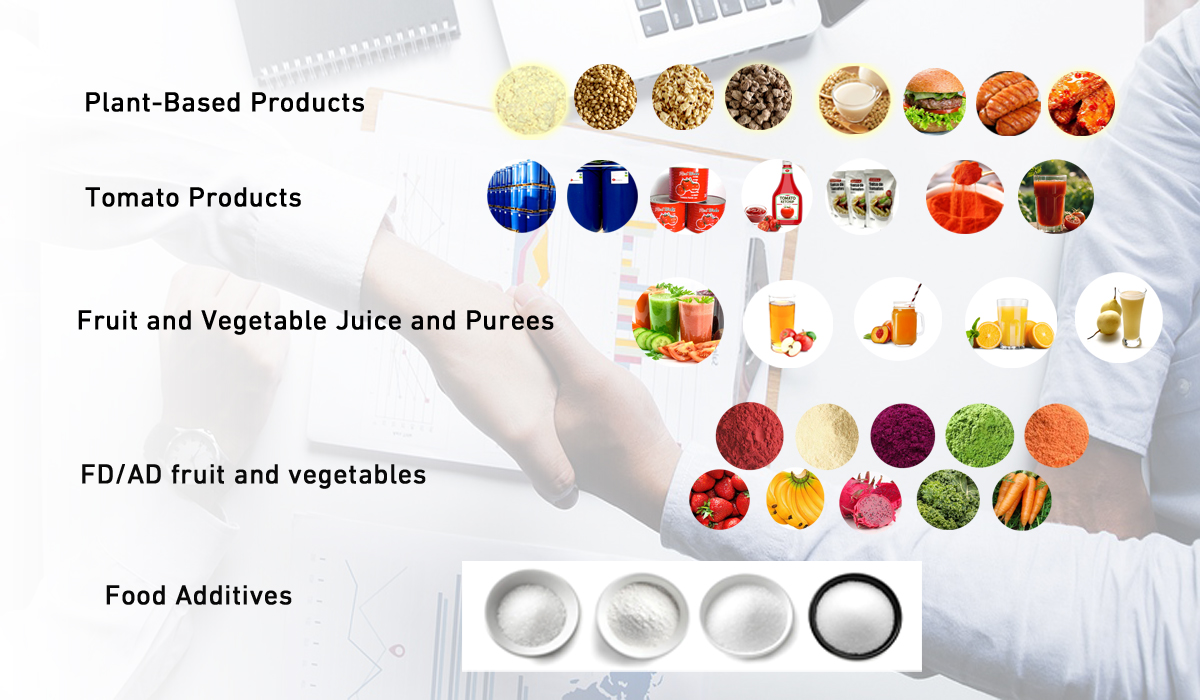
It is well known that more and more people care to take the healthy, safe and nutritious foods. The foods with the high protein, high fiber, low calorie, Vegan, GMO free, gluten free and even Keto friendly are more popular. So above requirements bring us to one new world. With our good experience in the organic fields, we also successfully explore the products with such special characters to meet the customer requests. We have the confidence that this field would be one wide potential market full of chance.
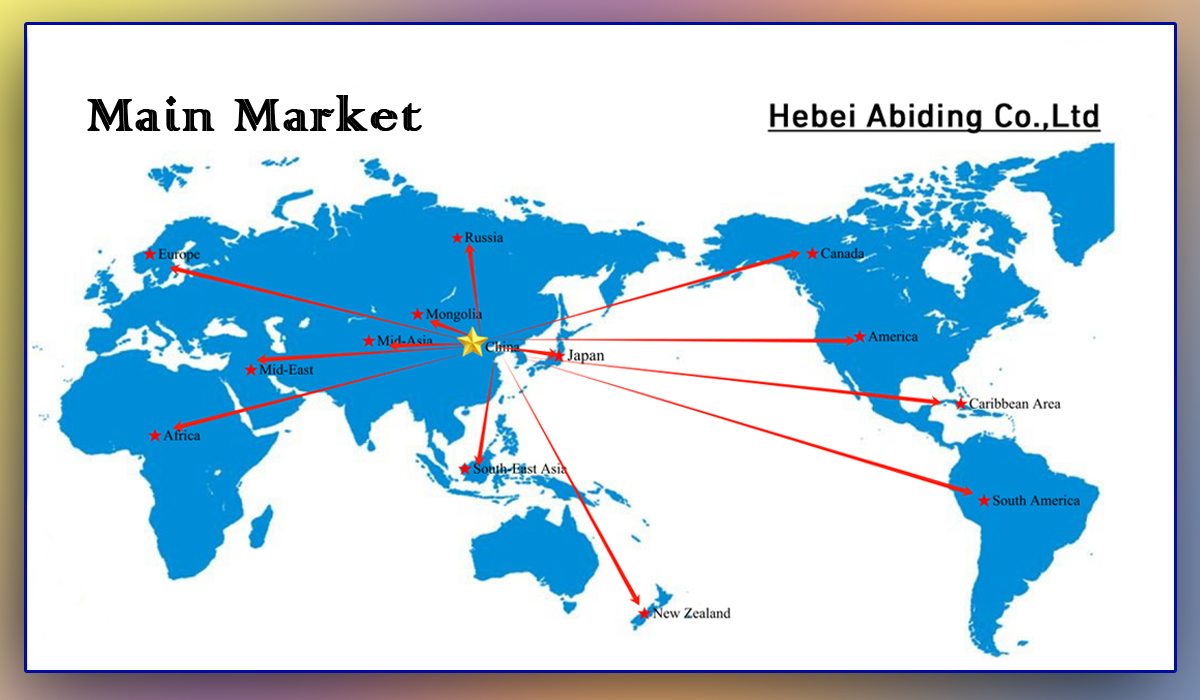
We have established long-term and stable business cooperation with many customers around the world and have won the good reputation there. It is our honor to be one qualified supplier certified by Nestle and other world famous companies. We would like to continue to provide our best service to the customers to share the pleasure in the cooperation.

Our purpose: to provide customers with healthy and safe products, to provide customers with the most intimate service. Survival by quality, development by characteristics, so as to form a fast and efficient management team and quality traceability system. To achieve the purpose of "character, food, conscience, love".
Our Objectives: to synchronize with environmental protection, with health, gather wisdom, seek common development, and build an excellent enterprise.
For food manufacturers, textured vegetable protein represents a versatile structural building block. By selecting the correct grade and hydration speed, TVP improves texture, retains moisture, and lowers the cost-in-use of finished food products:
In industrial burger patties, meatballs, and dim sum fillings, granular TVP is hydrated and incorporated alongside ground beef or pork. This retains natural juices during cooking, reduces shrinkage, and slashes product costs significantly.
Chunks and strips serve as the structural backbone for 100% plant-based chicken strips, beef chunks, and jerky. When mixed with binders like methylcellulose, starch, or gluten, it replicates the muscle alignment of true meat.
TVP is highly stable during retort thermal processing. In canned pet foods, it maintains its structural chunk shape without melting, providing a cost-effective, high-protein component that mimics real meat chunks.
The plant-based ingredient sector is moving rapidly towards cleaner labels and diversified allergen-free portfolios. While cheap textured soy protein remains the volume king due to its massive cost advantage, secondary protein sources like Pea Protein and Fava Bean Protein are gaining market share. Leading exporters in China are investing in hybrid extrusion lines capable of switching between soy and pea bases to mitigate potential allergen labeling issues in Western markets.
Furthermore, high-moisture extrusion (HME) technology is paving the way for wet textured vegetable proteins. Unlike dry TVP, which requires rehydration, wet TVP displays a fibrous structure that aligns even closer to muscle fibers, opening up premium markets in the chilled meat alternative segment. Procurement departments must build strategic relationships with manufacturers who have both dry and wet extrusion capabilities to stay ahead of the product life cycle curve.
 Abiding Food