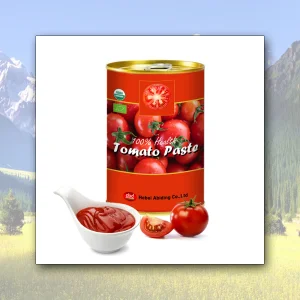
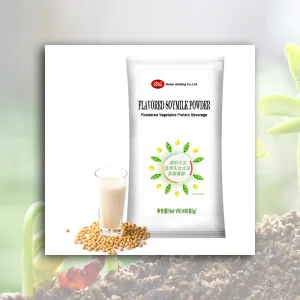
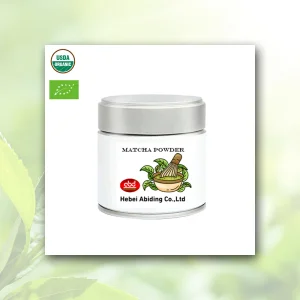
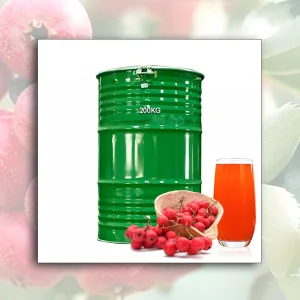
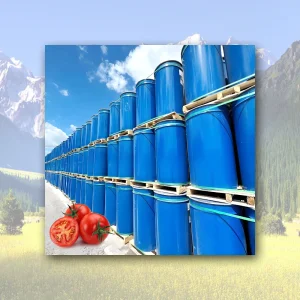
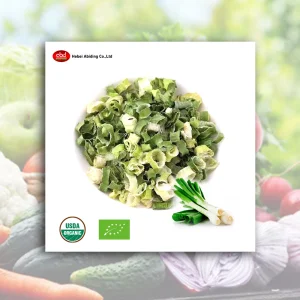
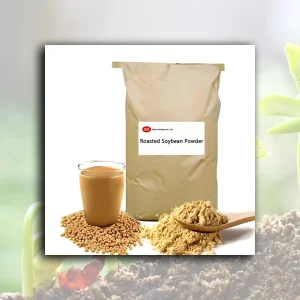
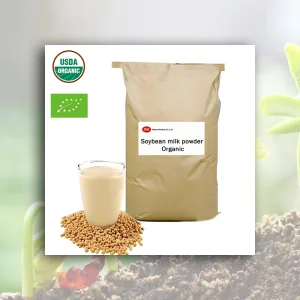
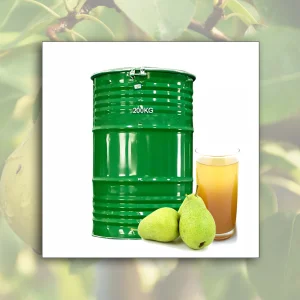
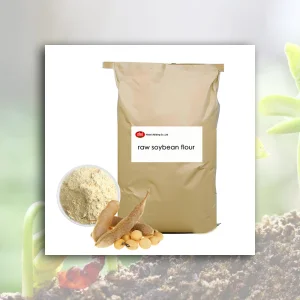
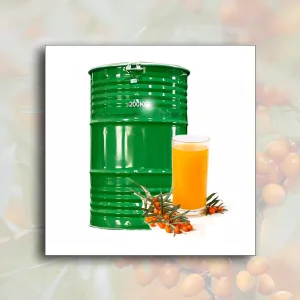
Explore our primary industrial grades and certified organic raw products exported globally from our processing hubs.
The global industrial market for bulk tomato sauce, tomato paste, and chili sauce is expanding rapidly, driven by urbanization, the rise of convenience foods, and growing demand for international flavor profiles. In commercial terms, the search for "cheap" options does not mean a compromise in quality. Instead, modern B2B procurement focuses on optimizing the cost per kilogram of dry solids (Brix yield) and ensuring long-term supply stability.
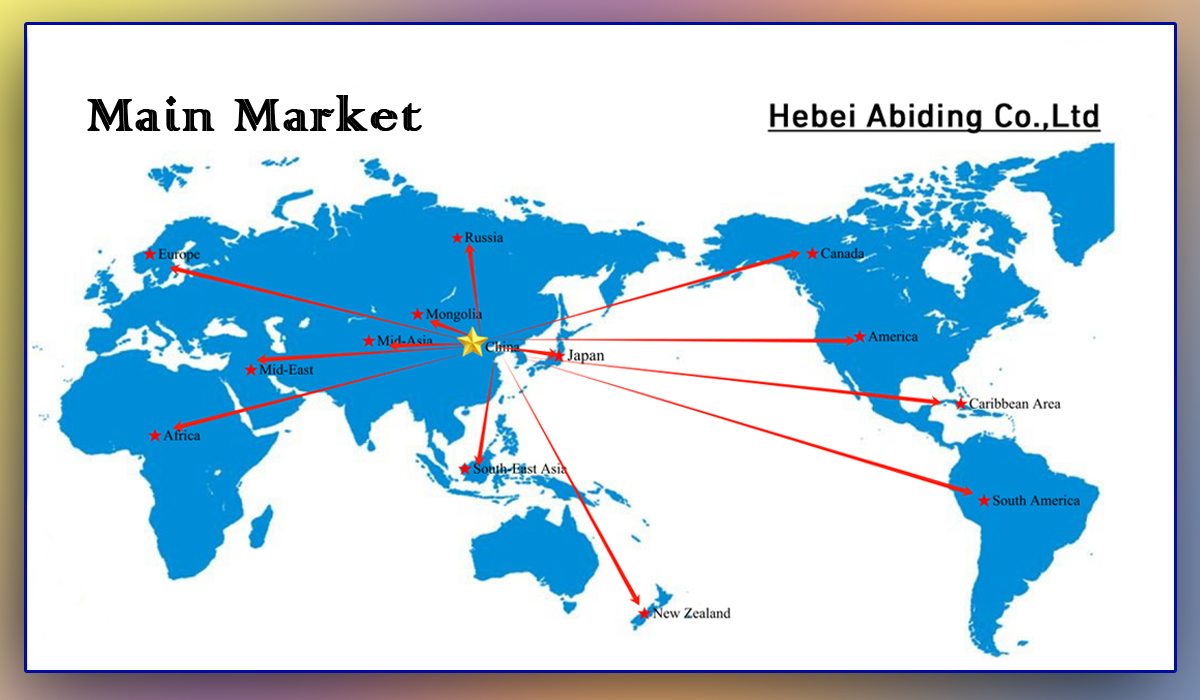
China has positioned itself as the primary engine of the global tomato and pepper processing sector. Xinjiang and Inner Mongolia, characterized by abundant sunshine and stark temperature fluctuations, offer ideal conditions for tomato cultivation. This produces tomatoes with high lycopene content, high soluble solids, and low natural acidity—ideal characteristics for industrial paste manufacturing.
| Processing Region | Avg. Brix Value | Bostwick Viscosity | Lycopene Yield | Key Export Markets |
|---|---|---|---|---|
| Northern China (Xinjiang) | 28 - 38% | 6 - 9 cm/30s | >50mg/100g | EU, Mid-East, Africa, SE Asia |
| Southern Europe (Italy/Spain) | 28 - 30% | 7 - 10 cm/30s | >40mg/100g | EU, North America |
| North America (California) | 26 - 32% | 5 - 8 cm/30s | >45mg/100g | Domestic, LatAm, East Asia |
Understanding the thermal mechanisms and physical processing stages that determine end-product viscosity, texture, and flavor profiles.
In Hot Break processing, raw tomatoes are rapidly heated immediately after crushing to temperatures ranging from 85°C to 95°C. This high temperature deactivates pectin methylesterase (PME) and polygalacturonase (PG) enzymes. Pectin remains intact, producing a highly viscous paste with a low Bostwick value. This is ideal for manufacturing thick ketchup and structured pasta sauces.
Cold Break processing heats crushed tomatoes to a lower temperature of 65°C to 75°C before enzymatic deactivation. This allows enzymes to partially break down natural pectins, resulting in a less viscous, more liquid paste. Cold Break paste (e.g., 36-38% Brix) offers superior color retention and a fresher flavor, making it suitable for reconstituted tomato juice and light sauces.
For hot chili sauces, high-performance liquid chromatography (HPLC) measures capsaicin and dihydrocapsaicin levels to standardize heat profiles in Scoville Heat Units (SHU). Sourcing involves balancing natural pepper mash fermentation with controlled acidity levels to stabilize colors and preserve shelf life without synthetic additives.
Technological advancements have driven modern manufacturers to transition from batch-processing to automated, continuous production systems. Triple-effect falling-film evaporators extract water under a vacuum at lower boiling points, preserving the heat-sensitive lycopene molecule. Sterile aseptic processing and direct bag-in-box or bag-in-drum packaging prevent microbiological contamination, allowing bulk products to be stored for up to 24 months without refrigeration.
Established in 2005, Hebei Abiding Co., Ltd. is a leading professional supplier of foods and high-grade food ingredients based in China. Over nearly two decades, we have developed a complete sourcing, production, sales, and after-sales service mechanism to ensure the consistent supply of qualified products to international buyers.
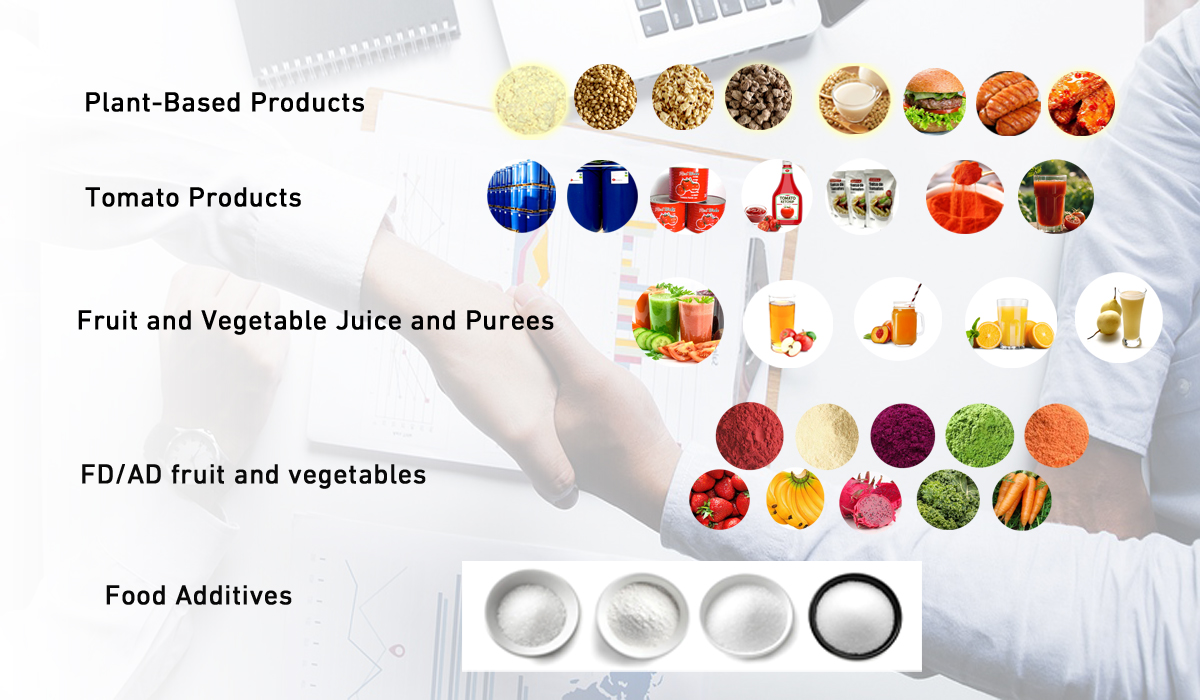
Our primary product portfolio features high-value vegetable proteins, fruit and vegetable juices, purees, freeze-dried (FD) and air-dried (AD) agricultural products, plant-based foods, and clean-label food additives.
Certified EU & NOP Organic Sourcing: With more than 20 years of experience in the organic food sector, we have consistently ranked as China's largest exporter of organic tomato paste. Our proprietary organic farms and dedicated processing facilities span multiple provinces, ensuring that all batches comply strictly with international organic agricultural standards.

Figure 1: Our processing and quality assurance framework oversees the entire supply chain, from seed selection to aseptic packaging.

We operate organic agricultural fields under strict surveillance. This raw material security underpins our status as a key partner for global food brands seeking high-quality organic tomato paste.
Modern consumers prioritize healthy, safe, and nutritious options. Our plant-based, allergen-free, GMO-free, and organic ingredients meet the growing demand for vegan and keto-friendly products.
Through long-term partnerships, we have earned approval as a qualified vendor for leading brands, including Nestlé, confirming our commitment to quality.
Our Purpose: To provide healthy, safe products alongside dedicated customer service. We focus on quality and product characteristics to support a responsive management team and clear batch-traceability systems. This reflects our commitment to "character, food, conscience, love."
Our Objectives: To align our operations with environmental protection and health goals, combining industry expertise to foster mutual growth and build a sustainable enterprise.

Key considerations for procurement managers seeking to reduce costs while maintaining product quality and compliance.
In industrial food processing, "cheap" does not mean inferior raw materials. It is achieved through optimized agricultural practices, integrated supply chains, and high-capacity processing technology. By managing operations from farming to processing, we minimize waste and intermediaries, reducing export costs by up to 20%.
Bulk tomato paste and chili sauce are vulnerable to oxidation, heat damage, and microbial activity. Steel drums lined with multi-layer aseptic barrier bags protect the product during long transit times. Nitrogen flushing helps prevent color degradation at the headspace.
Different markets require tailored viscosity, acidity, and color profiles:
Modern factories use optical sorting machines to scan tomatoes and chili peppers in real time. These systems identify and remove damaged or off-color raw materials on the conveyor belt, ensuring consistent quality before processing.
To meet sustainability goals, processing lines are reducing their environmental footprint. Key measures include recycling water from multi-stage evaporators and utilizing organic waste for biogas production.
Digital batch tracking provides end-to-end traceability. By scanning packaging barcodes, buyers can access production data, including harvest dates, farm locations, pesticide test results, and shipping records.
Detailed answers to technical and logistical questions from our engineering and sales teams.
Explore our expanded list of processed foods, vegetable fractions, and dehydrated concentrates developed for global markets.
 Abiding Food