Premium raw materials engineered for stability, natural flavor profiling, and compliance with the rigorous import standards of the Osaka port authority and food regulatory bodies.
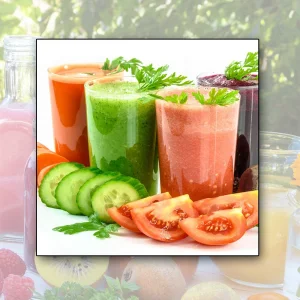
Osaka, historically referred to as the "Kitchen of the Nation" (Tenka no Daidokoro), stands as the central commercial hub for the food and beverage industry in western Japan (Kansai region). The city’s port facilities, high concentration of confectionery factories, ready-to-drink (RTD) beverage manufacturers, and functional health food laboratories demand a consistent, highly verified supply of agricultural raw materials. Specifically, the segment of Fruit and vegetable juice and purees has witnessed a structural shift in demand.
With the Japanese consumer base exhibiting a high degree of health consciousness, combined with strict regulatory framework under the Food Sanitation Act, local processors in Osaka cannot compromise on raw material safety. In order to service this market, global exporters must deliver products characterized by exact Brix levels, zero trace pesticide residues, non-GMO certifications, and complete microbiological control.
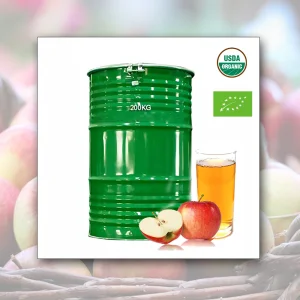
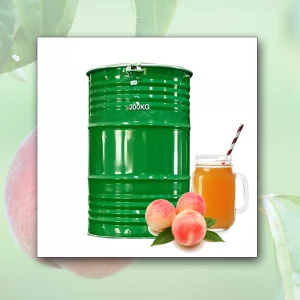
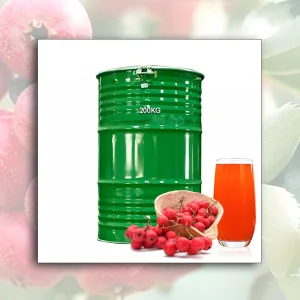
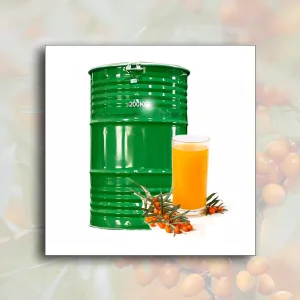
For instance, local beverage factories in Osaka rely heavily on import components such as organic apple concentrates, peach purees, and specialized functional juices like sea-buckthorn or hawthorn. These raw ingredients form the backbone of clean-label consumer beverages, seasonal pastries, and industrial health supplements distributed throughout Honshu.
The global demand for industrial fruit and vegetable ingredients is driven by the structural decline in consumer appetite for synthetic additives and high-fructose corn syrups (HFCS). Food manufacturers worldwide are reformulating recipes to feature naturally derived sweeteners and texturizers. In this macro context, fruit juice concentrates and purees act as functional replacements.
The industry is currently defined by three major trends:
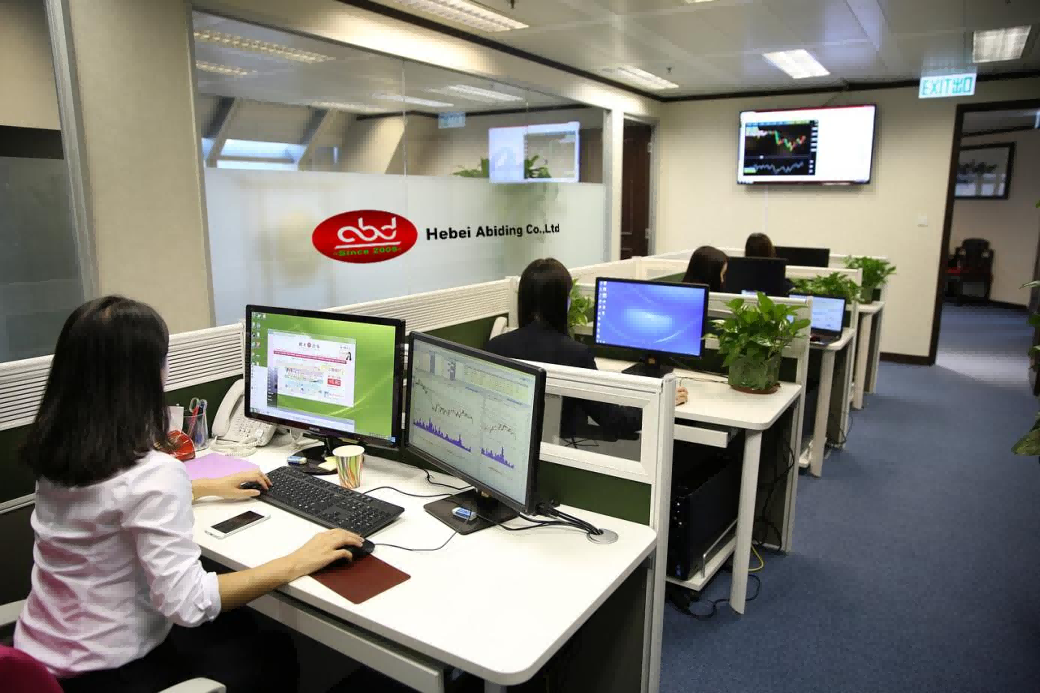
Hebei Abiding Co., Ltd., established in 2005, is a professional supplier of foods and food ingredients in China. We have built a robust mechanism encompassing raw materials supplying, processing, sales, and comprehensive after-sales service to ensure the continuous delivery of qualified food ingredients to our global clients. Our core product portfolio features vegetable proteins, fruit and vegetable juice and purees, FD/AD fruit and vegetables, plant-based items, and various specialty food additives.
As a certified EU & NOP organic products supplier with more than 20 years of experience in the organic food fields, we have been ranked as the largest exporter of organic tomato paste in China for many consecutive years. We manage our own organic farms and advanced processing facilities in different provinces to ensure that our operations comply rigidly with organic regulations.
Furthermore, we are proud to be a qualified, audited supplier certified by Nestle and other world-famous food corporations. We strive to develop fast and efficient management practices paired with an integrated quality traceability system, bringing our motto to life: "character, food, conscience, love."

In Osaka’s competitive manufacturing space, raw materials must serve specialized product categories:
How we maintain molecular and organoleptic properties through cutting-edge extraction and stabilization technologies.
Agricultural inputs are triple-washed, sorted optoelectronically, and treated with target-specific enzymes to breakdown cell walls, ensuring optimal juice yields without compromising fiber structure.
To preserve natural volatile flavor compounds and vitamins, water is evaporated under strict vacuum at low temperatures, minimizing heat damage and preventing caramelized off-notes.
A continuous aseptic flow process heats the purees for a microsecond duration, neutralizing microbiological threats while retaining color fidelity and natural antioxidants.
Concentrates are filled into sterile multi-layer barrier bags under strict ISO 22000 environment, and stored under temperature-controlled logistics for containerized sea export.
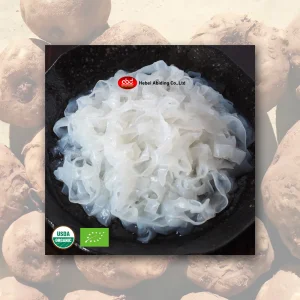
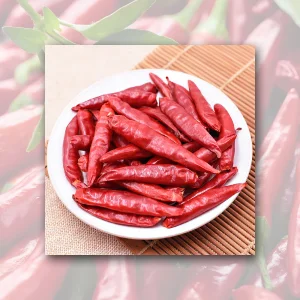
Our extended portfolio of organic fruit purees, specialized herbal extracts, and premium dehydration components for industrial food manufacturing.
Building a resilient food supply chain involves addressing environmental issues. As an agricultural processing company, Hebei Abiding Co., Ltd. aligns its objectives with environmental safety, sustainable farming, and waste reduction.
We utilize circular agricultural practices at our organic crop sites. For instance, the organic waste from fruit pressing (pomace and fiber residue) is processed into livestock feed or organic soil fertilizers. This zero-waste loop reduces carbon footprints. Our modern cold-chain partnerships optimize routing to Osaka ports, reducing greenhouse gases per ton of transported product.
To align with clean water initiatives, our processing centers use biological wastewater treatment plants, returning purified water back to the local irrigation networks. This level of environmental oversight satisfies the green procurement guidelines of blue-chip corporate buyers in Osaka.
Essential details for quality control departments, procurement teams, and compliance officers looking to import into Osaka, Japan.
We supply full EU and NOP Organic certifications. Our processing sites are audited under ISO 22000, HACCP, and Kosher/Halal standards. For Japanese buyers, we compile complete trace pesticide test data sheets in compliance with Japan’s Positive List System.
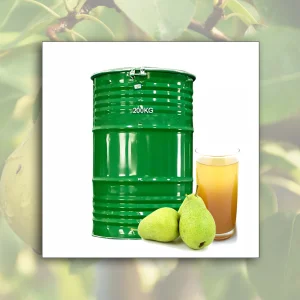
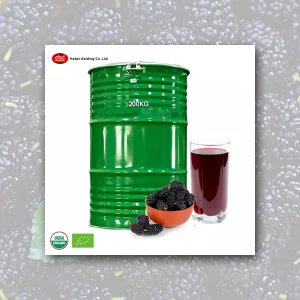
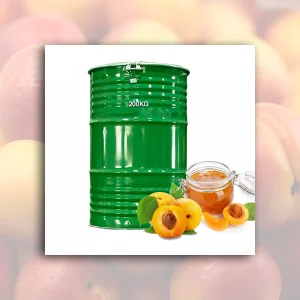
Our purees and concentrates are packaged in multi-layer aseptic barrier bags (typically 200kg to 220kg steel drums) or bag-in-box systems for intermediate volumes. Storage relies on deep-freeze chambers (-18°C) or cold storage (0-4°C) depending on product specifics.
Yes, our laboratory can standardize Brix values, pH ranges, and pulp/viscosity parameters to fit your precise industrial recipe. You can request customized spec sheets prior to bulk contract confirmation.
Standard processing, export customs clearance, and sea freight to Osaka generally takes between 14 to 21 days from order finalization, assuming immediate availability of raw crop batches.
Connect directly with our senior food technologists. Request technical data sheets, physical samples, and custom pricing schedules tailored to the Japanese import framework.
Send Inquiry Now Abiding Food