B2B industrial food ingredients optimized for South Korean standards and processing specifications.
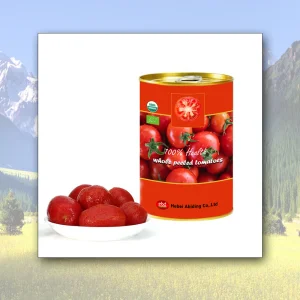
The culinary landscape of South Korea has undergone a rapid paradigm shift over the past decade. Westernized dining concepts, convenience lifestyle products, and functional ready-meals (Home Meal Replacements - HMR) have surged in popularity, triggering a significant rise in the demand for bulk imported processed tomato products. Because South Korea's domestic tomato farming is predominantly geared toward greenhouse production for fresh consumption (table tomatoes), the country relies almost entirely on global imports for industrial tomato paste, purees, whole peeled, and diced tomato products.
For modern food manufacturers, restaurant chains, and private label retailers operating in cities like Seoul, Incheon, and Busan, securing a stable, compliant supply chain of canned tomato products is critical. Rising transport costs, strict pesticide residue tests under Korea's Ministry of Food and Drug Safety (MFDS), and fluctuating raw tomato yields in key global agricultural belts demand robust supply partnerships that offer absolute traceability and pricing security.
South Korean B2B buyers require tomato concentrates and whole peeled configurations across several key industrial segments:
Industrial processing of tomatoes requires strict compliance with international thermodynamic food science practices. Processing freshly harvested, non-GMO processing tomatoes (such as the Lycopersicon esculentum variety) into stable canned products involves precise temperature configurations to control enzymatic activity, ensuring standard viscosity and maintaining nutritional density.
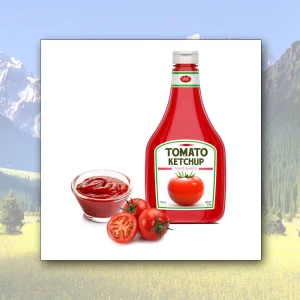
Freshly chopped tomatoes are heated immediately to temperatures between 85°C and 90°C. This process inactivates pectinase enzymes, preserving natural pectin bonds. The resulting paste is highly viscous, perfect for commercial ketchup, thick pizza sauces, and premium gravies.
Tomatoes are heated at a lower range of 65°C to 75°C. This allows partial enzymatic degradation of pectins, resulting in a less viscous, highly fluid juice concentrate. It preserves natural tomato color and fresh-flavor notes, ideal for reconstituting into tomato juices, cocktails, and light purees.
South Korea’s food security regulations require precise chemical metrics for imported tomato products. Hebei Abiding Co., Ltd. customizes production runs to meet the following parameters:
For more than two decades, Hebei Abiding Co., Ltd. has served as a benchmark of supply security, processing transparency, and high-volume agricultural output. With operational origins dating back to 2005, the company has built direct agricultural supply chains, operating certified organic farmland and processing infrastructure across major fertile Chinese regions. By controlling the supply chain from seed selection, organic crop nurturing, and harvesting, to vacuum processing and aseptic packaging, we eliminate third-party contamination risks.
A key indicator of Hebei Abiding Co., Ltd.'s industry authority is our long-standing position as an approved supplier for multi-national food leaders including Nestle and other global consumer goods companies. This status is maintained through annual compliance audits, on-site audits, third-party food security validation (IFS, BRCGS, FSSC 22000), and rigorous heavy-metal and pesticide screening. By working with Abiding Foods, South Korean importers gain access to a supplier that operates to international quality standards.
Certified organic fields operating under zero-pesticide, zero-synthetic-fertilizer regimes. Compliance certified by accredited global bodies.
National Organic Program compliance validation ensures clean soil health, biological diversity preservation, and complete transparency.
All tomato seeds, raw materials, and processing aids are non-GMO. Full certification documents provided for Korean customs clearance.
Securing high-quality raw materials is only half the battle. Delivering those products safely and efficiently to Korean processing facilities requires robust packaging technology. We offer flexible packing formats optimized for sea freight to Incheon, Busan, or Gwangyang ports, with minimal lead times.
Entering the South Korean food market requires passing strict regulatory check-points. Imported food shipments must comply with MFDS guidelines, which include:
From farm to delivery, our supply chain ensures consistent quality and compliance.
Soil health and seed selection are verified. Non-GMO cultivation uses natural organic enrichment methods.
Harvested tomatoes undergo multi-stage rotary washing and optical sorting to remove defects and color variations.
Tomatoes are processed via Hot Break or Cold Break systems and evaporated under vacuum to reach targeted Brix levels.
Products are sterilized, filled into double-lacquered cans or aseptic bags, and inspected for double-seam integrity and vacuum levels.
Market research indicates steady growth in organic consumption in South Korea. Consumers are increasingly seeking organic, vegan, non-GMO, and clean-label foods. This shift has led food processors to transition from conventional raw materials to certified organic alternatives.
Hebei Abiding Co., Ltd. has invested in sustainable processing technologies to support this transition. Our facilities feature advanced heat recycling systems that reduce carbon emissions during evaporation. We also utilize drip-irrigation networks on our organic farms to reduce water consumption. Partnering with Abiding Foods helps South Korean brands align with eco-conscious consumer values.
Request detailed specification sheets, chemical reports, organic certificates, and customized pricing structures for South Korean imports.
Send Inquiry NowCommon inquiries from Korean importers and global food processing companies.
All original agricultural solutions and food additives certified for global export.



Optimize your ingredient sourcing with custom packaging, reliable logistics, and strict quality control certificates.
Send Inquiry Now Abiding Food