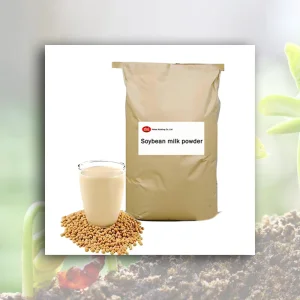
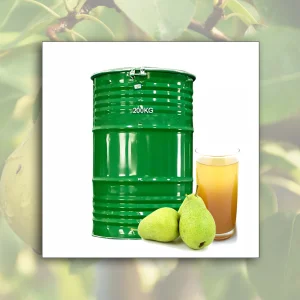
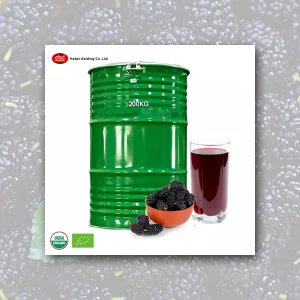
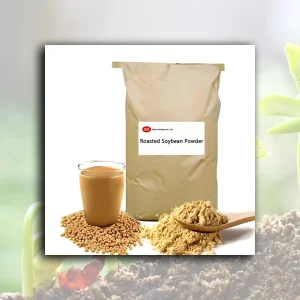
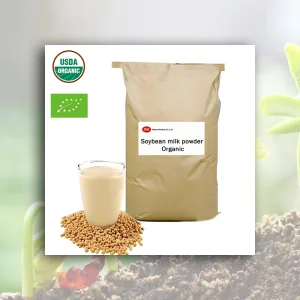
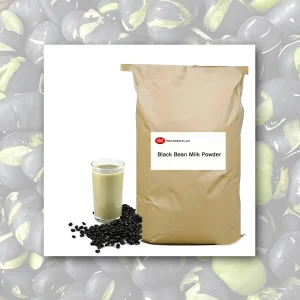
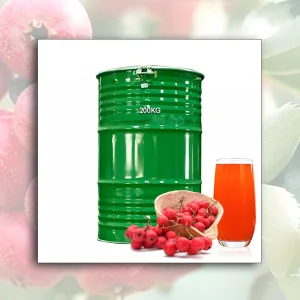
Explore our export-certified organic pastes, botanical concentrates, and high-protein plant solutions sourced from our state-of-the-art facilities.
The global demand for convenient, single-serve food condiments has witnessed exponential growth over the past decade. Driven by the rapid expansion of Quick Service Restaurants (QSR), online food delivery platforms, and changing consumer lifestyles, the humble tomato sauce sachet has become a core packaging standard. Today, food service operators prioritize portion-controlled packaging to minimize waste, ensure absolute hygiene, and streamline drive-thru and delivery operations.
From an industrial perspective, modern condiment packaging requires barrier films capable of preventing oxidation, retaining flavor profiles, and extending shelf life without reliance on excessive chemical preservatives. As global regulatory bodies push for cleaner labels and sustainable supply chains, high-speed multi-lane vertical form-fill-seal (VFFS) systems have transformed production capabilities, enabling high-volume output of leak-proof sachets ranging from 8g to 20g configurations.
"The shifts in consumer dining habits—specifically the transition toward delivery-first models—have positioned individual sachets as a primary brand touchpoint, demanding consistent flavor, high barrier protection, and pristine packaging presentation."

Proven metrics reflecting our 20-year commitment to agricultural excellence, food safety, and global export scalability.
China is a global powerhouse for processed tomato products, particularly in regions like Xinjiang and Inner Mongolia, which boast optimal climatic conditions. High diurnal temperature fluctuations, coupled with over 16 hours of daily sunlight, yield processing tomatoes rich in Lycopene, boasting deep red coloration and high soluble solids (Brix). This raw material superiority forms the baseline of Hebei Abiding Co., Ltd.'s supply chain.
Our manufacturing integration couples these rich agricultural yields with high-throughput processing machinery. The efficiency of Chinese manufacturing isn't merely about cost containment; it lies in structural integration. From raw harvest to paste evaporation, aseptic storage, and high-speed packaging, the timeline is tightly optimized to avoid degradation, preserving the organoleptic quality of the paste. This results in stable, consistent tomato sauce sachets capable of meeting the stringent requirements of leading global food groups.

How we tailor viscosity, acidity, sweetness, and nutritional profiles for diverse consumer demographics and industrial clients worldwide.
Providing high-adhesion formulations optimized for sachet packaging. Our sauce maintains structural viscosity to avoid dripping, and features robust laminate structures to withstand transit stresses within meal kit boxes.
From sweet and savory profiles popular in Southeast Asian markets to acid-forward, herb-infused formulations favored in European and North American regions. We execute micro-ingredient customization under rigorous laboratory testing.
As a certified EU & NOP organic supplier, we manufacture organic-certified tomato sauce sachets utilizing pure cane sugar, sea salt, organic vinegar, and organic spices, bypassing artificial thickeners, starches, or coloring agents.
The global condiment sachet industry is shifting towards advanced material science and sustainable operations. Legacy composite packaging films, typically combining PET, Aluminum foil, and PE, present recycling challenges. To counter this, modern R&D focus is directed toward high-barrier mono-material laminates and biodegradable PLA-based substrates. These new films must protect the sauce against UV and oxygen ingress while being compatible with high-speed packaging machinery.
Concurrently, smart formulation engineering is reshaping product development. With rising demand for low-sodium, ketogenic, and sugar-free dietary options, brands are requesting tomato sauces sweetened with natural alternatives like stevia, monk fruit, or erythritol. Hebei Abiding Co., Ltd. continuously updates its production methods, helping partners align with global regulatory shifts and evolving consumer demands.
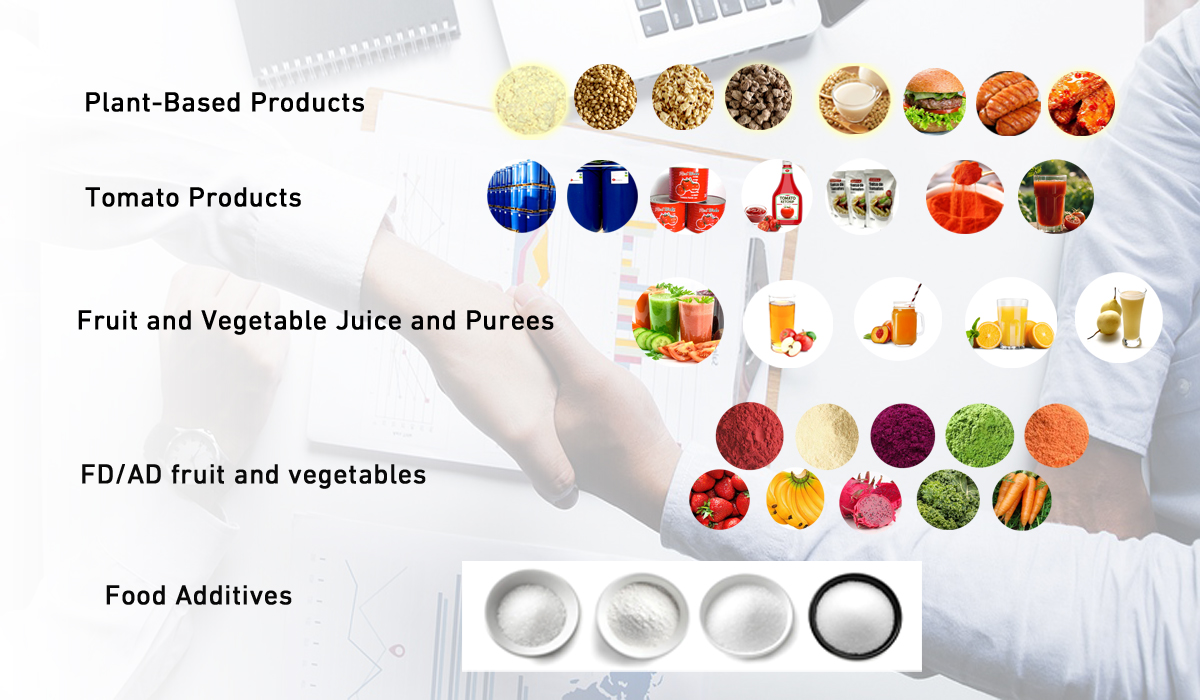
Standardized packaging matrices customizable to match international logistics demands and consumer dispensing preferences.
| Parameter / Specification | Standard Offering | Premium / Custom Level |
|---|---|---|
| Brix Concentration | 18-20% / 22-24% Soluble Solids | 28-30% Double Concentrated (Custom Formulation) |
| Sachet Fill Weight Range | 8g, 9g, 10g, 12g, 15g, 20g | Custom volume fills from 5g up to 50g per unit |
| Laminate Structure | PET / AL / PE or PET / VMPET / PE | Eco-friendly recyclable barrier mono-materials |
| Shelf-Life (Ambient) | 12 - 18 Months | Up to 24 Months under optimized dry storage conditions |
| Compliance & Auditing | HACCP, ISO 22000, Halal, Kosher | EU / USDA NOP Organic Certification, Nestlé Quality Audit |
For multinational food buyers, procurement isn't just about unit cost; it centers on operational resilience and quality assurance. When sourcing tomato sauce sachets in bulk, enterprise buyers evaluate several critical parameters:
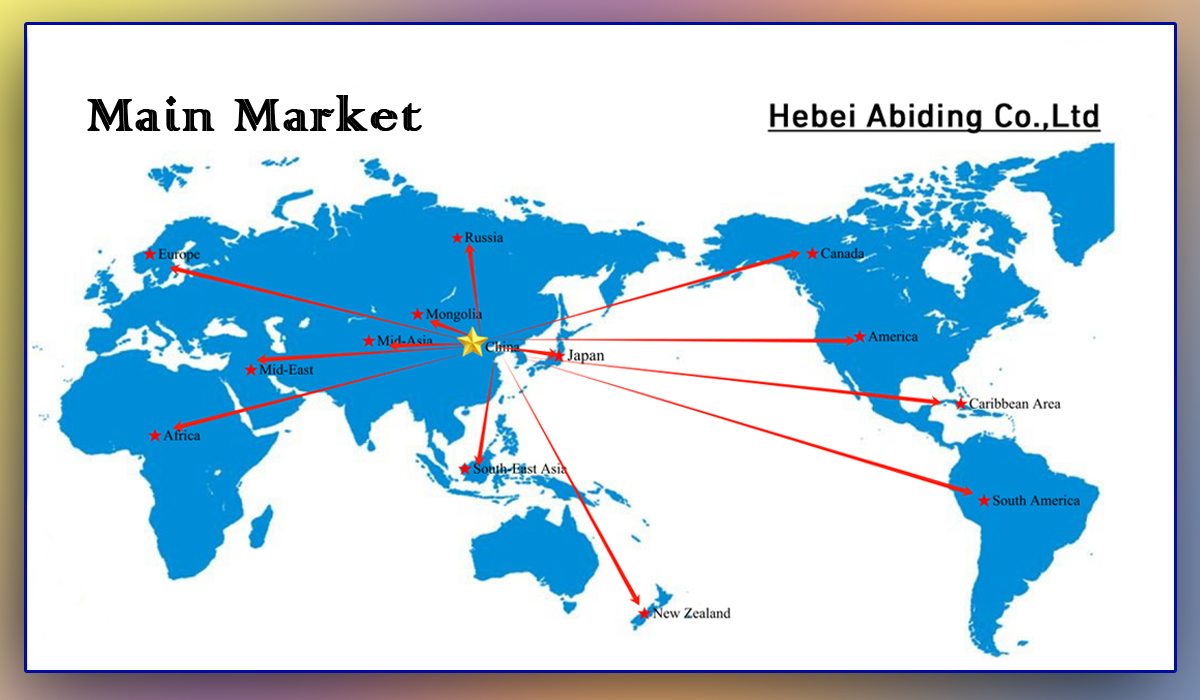
Established in 2005, Hebei Abiding Co., Ltd. is a specialized supplier of foods and food ingredients in China. Over nearly two decades, we have developed integrated systems covering raw materials sourcing, production, sales, and post-sales service to consistently deliver compliant, high-quality products to our clients.
As a certified EU & NOP organic products supplier, we have been ranked the largest exporter of organic tomato paste in China for consecutive years. We manage dedicated organic farms and processing facilities in key agricultural provinces, maintaining strict compliance with local and international organic standards. Beyond tomato paste, our core ingredients portfolio includes vegetable proteins, fruit and vegetable concentrates, plant-based foods, and specialty additives.
Our commitment to food safety and customer service has earned us long-term partnerships with leading global brands, including certified status as an approved supplier for Nestlé. Our goal is to connect health, environmental responsibility, and supply chain efficiency, helping build reliable food systems for partners worldwide.

Detailed technical answers addressing common packaging, shelf-life, formulation, and shipping questions from global procurement teams.
Explore our additional processed food ingredients, customized juices, and high-performance soy powders.
 Abiding Food