For food scientists and buyers, the yield efficiency of Textured Soy Protein Flakes is determined by their Water Absorption Index (WAI). High-grade TSP flakes feature a porous matrix that absorbs 3.0 to 4.0 times their dry weight in water, which remains bound during thermal extrusion and packaging. This directly translates to lower formulation costs and improved juiciness in final applications.
Textured Soy Protein Flakes serve as functional extenders and structuring agents in food processing. Industrial manufacturers use these ingredients to solve key formulation challenges, ensuring texture consistency and nutritional efficiency:
Advanced extrusion methods create a structured protein fiber matrix that mimics animal muscle tissue. Under hydration, these flakes retain elasticity, preventing mushiness in canned products, retort pouches, and frozen patties.
A key issue in soy ingredients is the "bean" off-flavor caused by lipoxygenase activity. High-tier industrial plants use flash-desolventizing and precise thermal treatment to deactivate enzymes, ensuring a neutral base that matches spices and seasonings.
Replacing 15% to 30% of lean meat with hydrated TSP flakes reduces production costs while maintaining high protein density. This substitution also introduces dietary fibers, aligning with clean-label, high-fiber, and low-cholesterol market demands.
The quality of Textured Soy Protein Flakes depends on the source material and the manufacturing process. Lower-tier manufacturers often rely on simple chemical precipitation of soy meal, which yields inconsistent protein density and structural fragility. High-performance factories employ a precise process:
| Process Stage | Technical Parameter Control | Impact on Final Product Quality |
|---|---|---|
| Raw Material Selection | Non-GMO IP Soybeans, Low-temperature defatted soy flakes (NSI > 70%) | Determines the protein denaturation potential and gelation strength. |
| Pre-Conditioning | Moisture levels (20%-30%), Steam injection temp at 95°C-105°C | Ensures uniform hydration and initiates starch gelatinization. |
| Twin-Screw Extrusion | Barrel temperature (140°C - 180°C), Screw speed > 350 RPM, Pressure > 40 Bar | Alters the protein structure, forming linear fiber chains instead of globular shapes. |
| Die & Cutting Management | Adjustable shear rate, custom micro-slits for flake dimensions | Controls the density, fiber length, and thickness of the protein flakes. |
| Fluidized Bed Drying | Final product moisture level target: < 9.0% | Ensures microbiological safety, preventing mold growth and extending shelf life. |
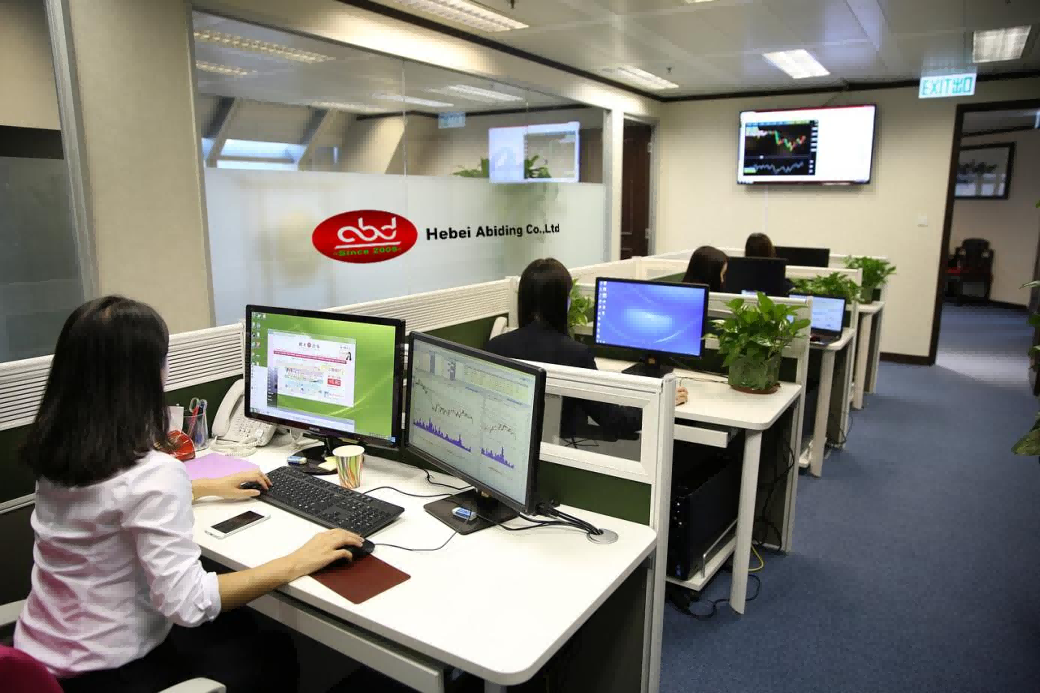
Established in 2005, Hebei Abiding Co., Ltd. has developed into a certified supplier of premium foods and food ingredients in China.
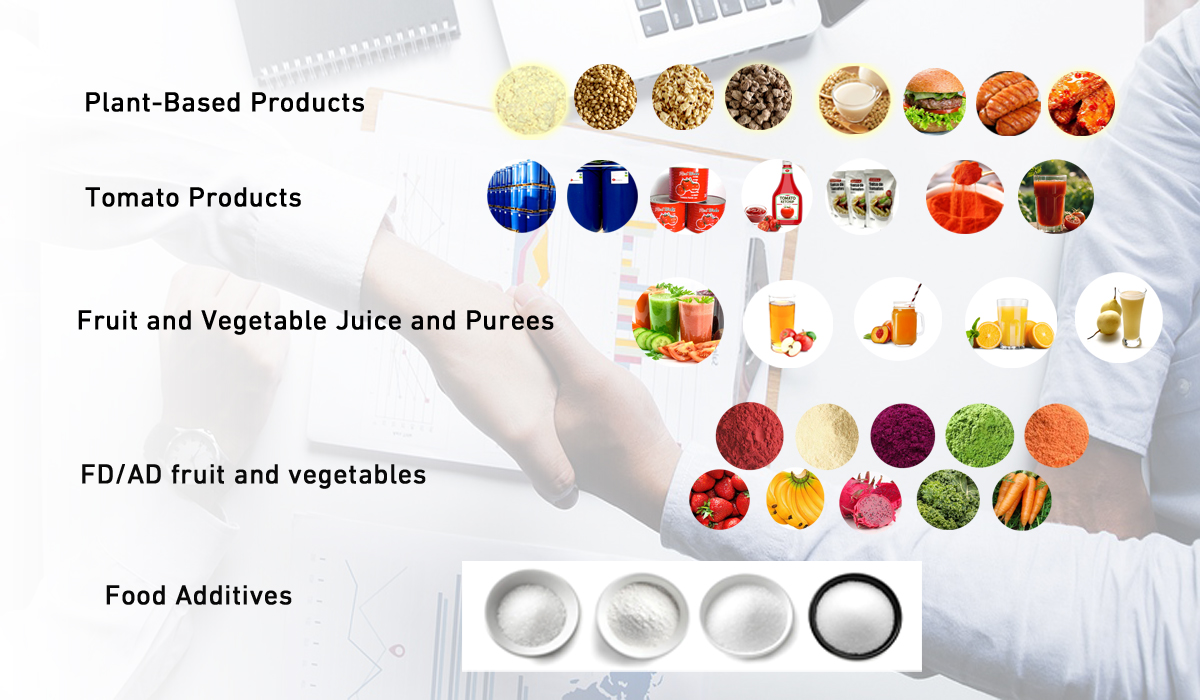
We operate a complete supply chain structure encompassing raw materials sourcing, production, sales, and after-sales service to ensure the delivery of qualified products to our global customers. Our core portfolio includes vegetable proteins, fruit and vegetable juices and purees, FD/AD fruit and vegetables, plant-based products, and various food ingredients and additives.
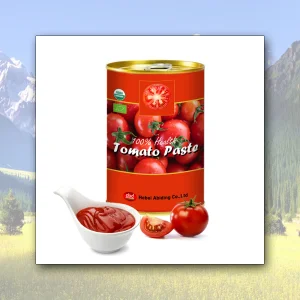
As a certified EU & NOP organic products supplier with more than 20 years of experience in the organic food sector, we have been ranked as a major exporter of organic tomato paste in China. We operate dedicated organic farms and processing facilities in different provinces to ensure that our products comply strictly with international organic standards.

More consumers are prioritizing healthy, safe, and nutritious foods. Sourcing trends favor items with high protein, high fiber, and low calorie profiles that are Vegan, GMO-free, gluten-free, and Keto-friendly.
These shifts present new opportunities for food manufacturers. Utilizing our experience in the organic sector, we have developed products with these specific attributes to meet diverse customer requests. We believe this segment represents a growing market with significant opportunities for collaborative development.
In the context of textured soy protein, these standards require strict control of raw materials. Our flakes are manufactured from non-GMO soy, utilizing mechanical pressing instead of hexane extraction. This approach yields a clean-label product that meets the ingredient verification requirements of international brands.
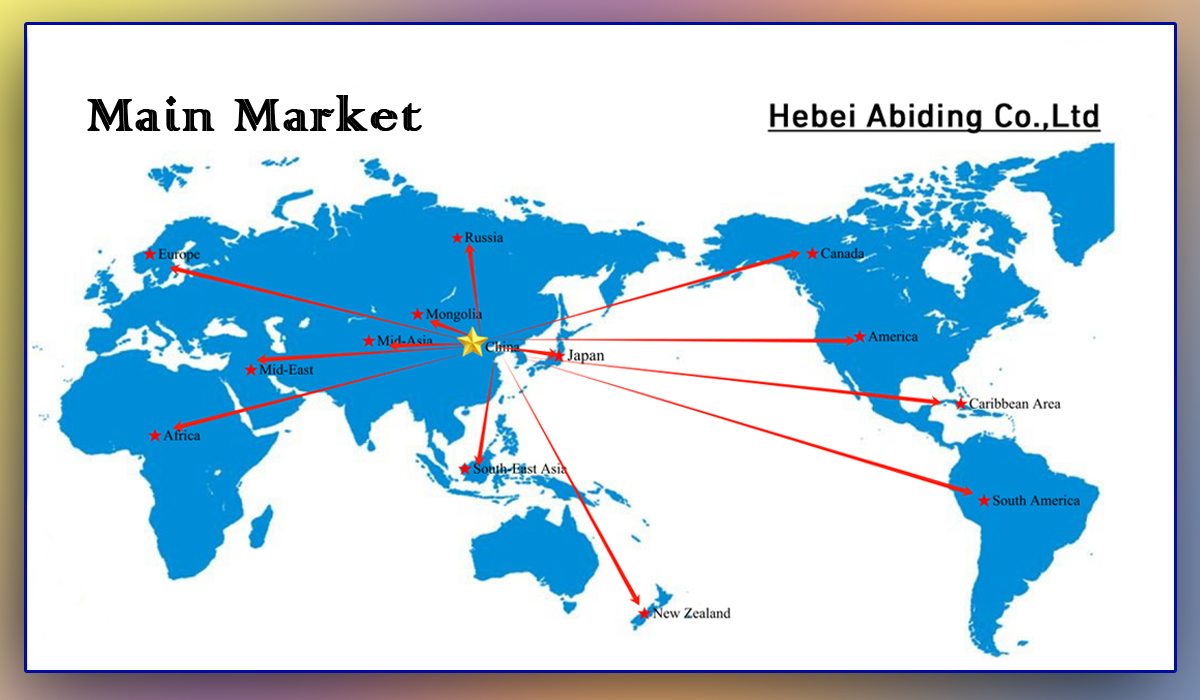
We have established long-term and stable business cooperation with many customers around the world, earning a reputation for reliability in the process. We are honored to be a qualified supplier certified by Nestle and other global food processing companies.
This status requires adherence to strict quality control protocols, including:
Our Purpose: To provide customers with healthy and safe products, backed by reliable service. We pursue survival through quality and development through specialized capabilities, building a fast and efficient management team alongside a robust quality traceability system. We work toward our core philosophy of "character, food, conscience, love."
Our Objectives: To align our operations with environmental protection and health priorities, gathering expertise to seek common development and build an excellent enterprise.
As global industries focus on carbon footprint reduction, plant-based proteins play a key role in reducing environmental impact. Our textured soy protein flakes offer a low carbon emission profile, helping food manufacturers meet their scope 3 emissions targets.

 Abiding Food