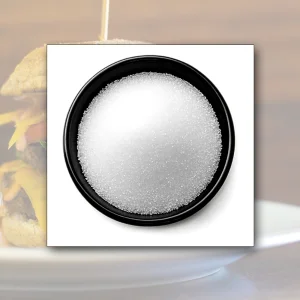
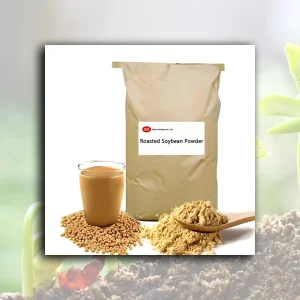
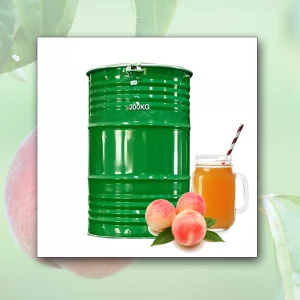
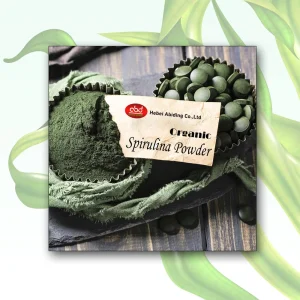
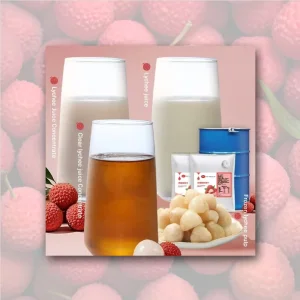
Direct supply from Hebei Abiding Co., Ltd. processing plants. Compliant with international standards and audited globally.
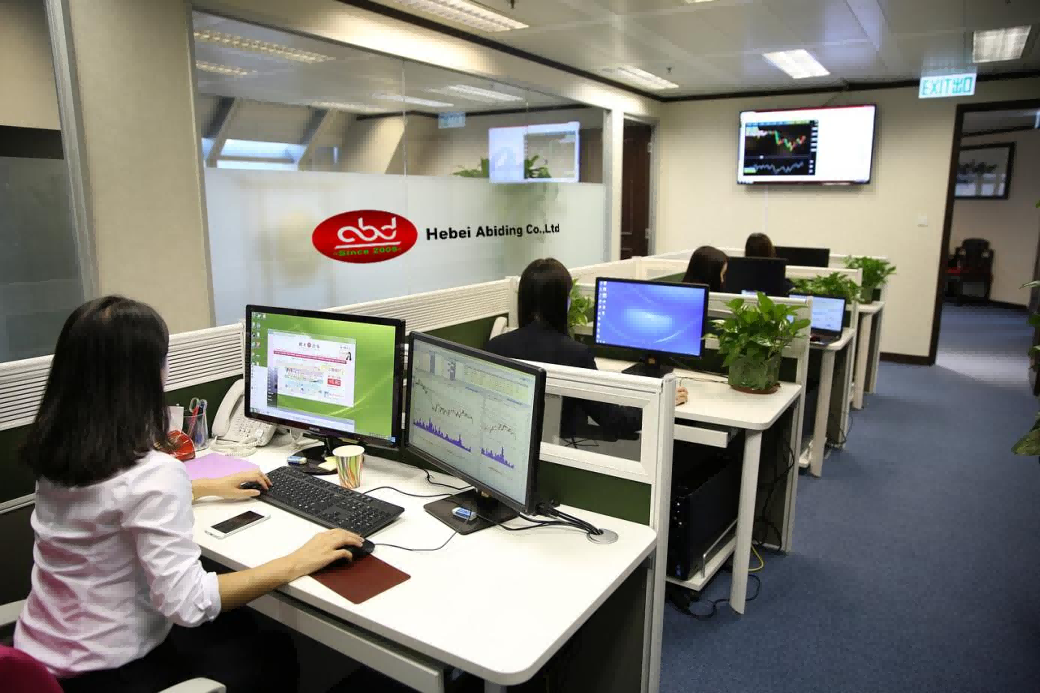
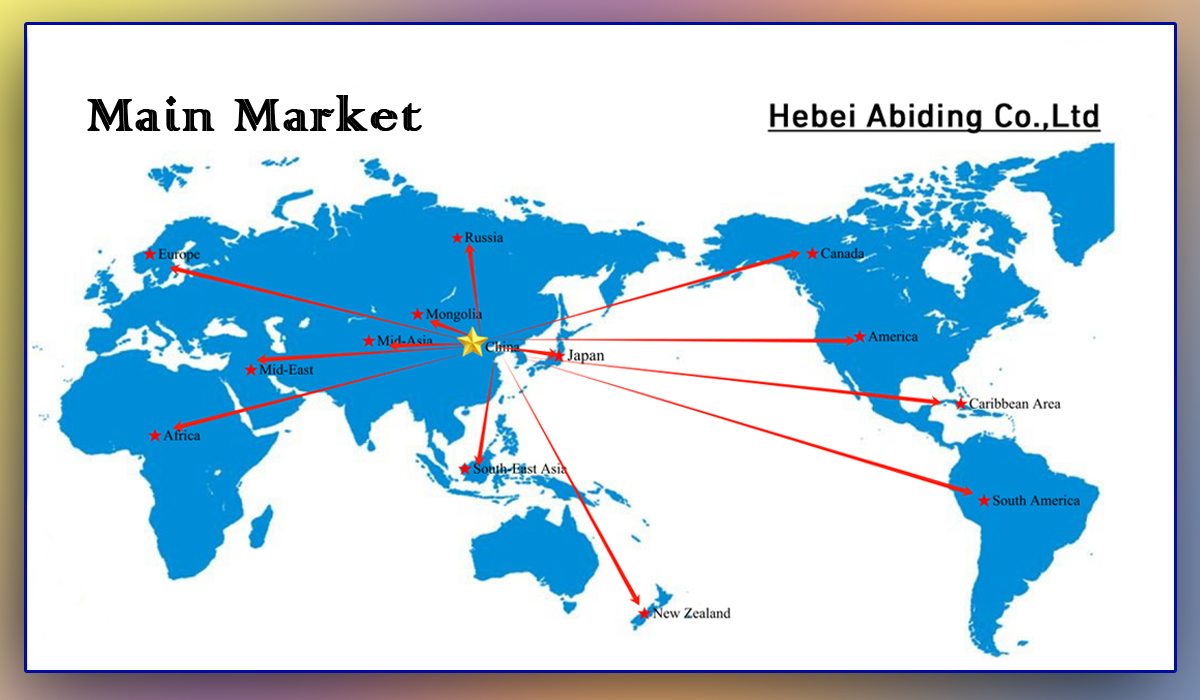
Established in 2005, Hebei Abiding Co., Ltd. operates as an authoritative, professional supplier of premium foods and high-purity food ingredients in China. Over nearly two decades, we have engineered an integrated, multi-tier supply chain mechanism that covers raw materials sourcing, high-tech manufacturing, global custom clearance logistics, and technical after-sales support.
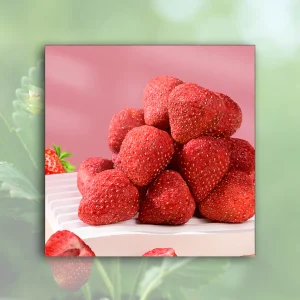
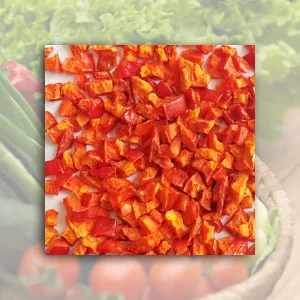
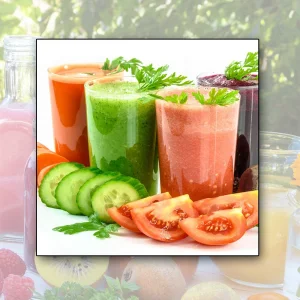
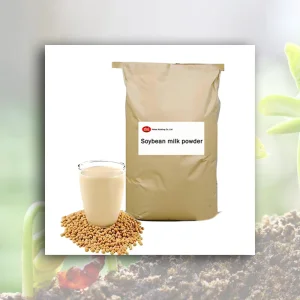
Our core industrial capacity focuses on highly functional vegetable proteins (including high-grade non-GMO Soy Protein Isolate and Concentrate), organic fruit/vegetable juice concentrates, freeze-dried and air-dried food components, plant-based products, and specialized food additives. We are honored to serve as an audited, regular supplier to world-renowned brands like Nestlé and multiple global food groups.
Understanding macro industry shifts, nutritional standards, and commercial parameters driving B2B soy protein demand.
The global demand for soy protein isolates and concentrates is scaling at an annual rate exceeding 7%. This expansion is driven by sports nutrition reformulations, medical tube-feeding nutrition requirements, and the exponential rise of the clean-label vegan meat industry. Our manufacturing plant provides high gelation, low-viscosity, and neutral-flavor options to seamlessly integrate into complex food systems.
Traditional raw soy protein suffers from chalkiness and rapid precipitation. To address this, our factory utilizes high-grade enzymatic hydrolysis technology, shifting the Nitrogen Solubility Index (NSI) above 85%. This ensures complete dispersibility in fluid bases, making it ideal for ready-to-drink (RTD) plant beverages, sports formula shakes, and fortified instant beverages.
For B2B buyers in the EU and North America, GMO status is a dealbreaker. We implement a rigorous Identity Preservation (IP) process tracking raw materials from certified non-GMO organic soybean farms down to the final packaging. Analytical checks like PCR tests are executed at every major critical control point, certifying that GMO contamination remains below detection limits.
Establishment Year
Organic Food Field Experience
Organic Certifications
Global Supplier Standard
A breakdown of our manufacturing philosophy, quality standards, and strategic solutions.

As a certified EU & NOP organic products supplier, we have spent decades developing domestic organic farms in multiple Chinese provinces. This strategic geographical spread allows us to source optimal raw soybeans under different climatic conditions. By managing our farms directly, we monitor soil toxicity levels, eliminate synthetic chemical pesticides, and maintain control over crop rotation and harvest timings.
This careful ecological monitoring has earned us the top tier status for organic tomato paste exports and organic protein ingredients. It also ensures that all our products align with the strict standards set by global certification bodies.
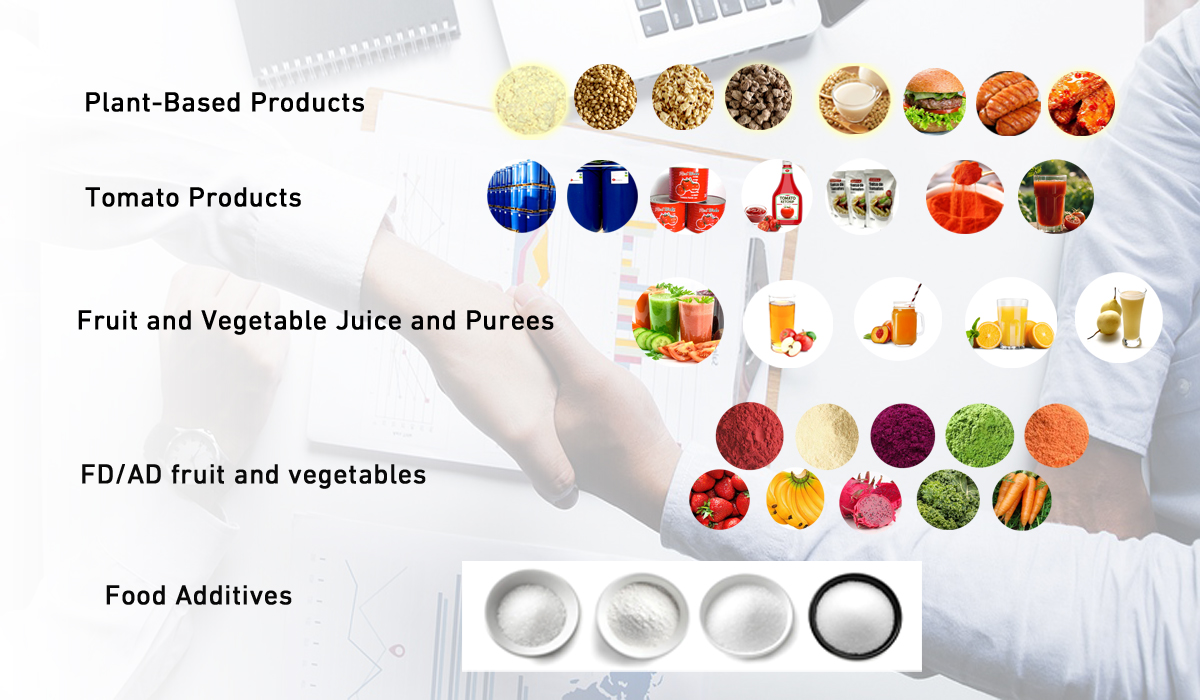
Global consumer shifts are clear: buyers demand high-protein, high-fiber, low-calorie ingredients that are plant-based, GMO-free, gluten-free, and keto-friendly. Meeting these complex demands requires deep application know-how. We work alongside food formulators to solve texture and sensory challenges when transitioning from dairy/meat proteins to plant bases.
Whether you require textured vegetable protein (TVP) for realistic chewiness in meat analogues, or highly dispersible soy isolate for clear beverages, we supply solutions tailored to your production equipment.
Building a global brand reputation requires robust supply chain safety. Nestlé and other leading global food corporations have audited and certified our facilities. This verification ensures our alignment with strict international standards on trace contaminants, allergen separation, heavy metal screening, and microbial controls.
Our quality management department tracks every batch with complete documentation, providing Certificate of Analysis (COA) records, heavy metal testing sheets, and phytosanitary certificates for every cargo container shipped.
A step-by-step technical view of how we refine raw soybeans into high-value functional soy protein powder.
Our organic, non-GMO soybeans undergo cleaning, magnetic separation, and sizing. De-hulling decreases the bitter beany flavor by removing the outer husk, which contains compounds that cause rancidity and off-notes.
Oil is extracted using physical press and food-grade solvent extraction, maintaining a low temperature profiles to prevent thermal denaturation. This preserves the functional integrity of the protein matrix.
The protein is extracted in a mild alkaline solution (pH 7.5 to 8.5) and separated from the insoluble fiber. The liquid is then adjusted to the soy protein isoelectric point (pH 4.5), causing the protein to precipitate. This separation stage allows us to achieve over 90% purity.
The precipitated curd is washed, neutralized to a stable pH, and pasteurized. Finally, high-pressure spray drying yields a fine, uniform powder with high solubility and excellent moisture dispersion.
Our purpose is clear: to provide customers with healthy and safe products, backed by reliable, responsive customer service. We operate on a foundation of quality and specialized product offerings. Through this approach, we have established an efficient management team and a comprehensive quality traceability system. This allows us to track product batches from retail shelves back to the cultivation fields.
In step with environmental protection and health initiatives, we aim to synchronize our operations with global green policies. We integrate clean production methods, low-carbon transport networks, and water conservation technologies into our soy processing plants, working toward a sustainable future.

Technical and commercial answers to key questions from B2B buyers and product formulators.
Soy Protein Isolate (SPI) is processed to remove nearly all non-protein components, yielding a dry-basis protein content of 90% or higher. It is highly soluble, functional, and clean-flavored, making it ideal for infant formulas, sports powders, and plant-based milks. Soy Protein Concentrate (SPC) typically contains around 70% protein, retaining most of the soy fiber. SPC is widely used in bakery items and animal feed, and serves as the structural base for textured vegetable proteins (TVP) used in meat alternatives.
We maintain strict Identity Preservation (IP) protocols. Farms, processing mills, and shipping pathways are certified organic and monitored by accredited third-party registrars. We test for GMO content and pesticide residues at harvest, before processing, and prior to shipping. This testing ensures that our products comply with European Union and USDA National Organic Program (NOP) standards.
The characteristic beany taste of soy is primarily caused by lipoxygenase enzymes. We deactivate these enzymes by applying controlled heat at the early stage of processing. Combined with double-dehulling and thorough washing of the curd, this process limits off-flavors, resulting in a neutral ingredient suitable for milk alternatives, bakery foods, and dietary supplements.
Our standard packaging is 20kg or 25kg multi-wall paper bags with inner heat-sealed PE liners. For large-scale industrial operations, we also supply 800kg or 1000kg bulk super-sacks. The standard Minimum Order Quantity (MOQ) is 1 metric ton (or 1 full container load for custom formulations). We offer FOB, CIF, CFR, and DDP shipping terms to accommodate various global logistics needs.
Yes. Our R&D team adjusts parameters like pH, enzyme treatment, and milling speed to meet specific requirements. Whether you need a fine 200-mesh powder for smooth beverages, or a high-viscosity product with strong gelation for meat products, we can formulate and scale the ingredient to your needs.
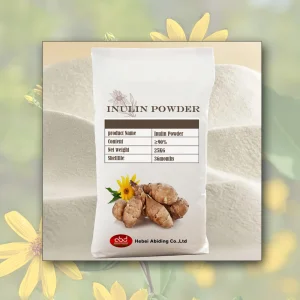
Complementary vegetable proteins, premium fruit concentrates, and natural dietary fibers.
 Abiding Food