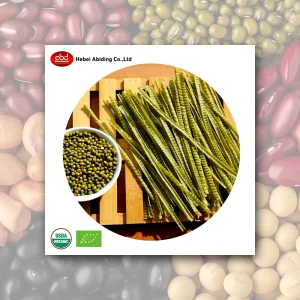
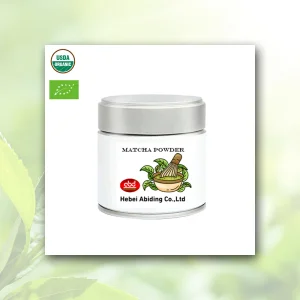
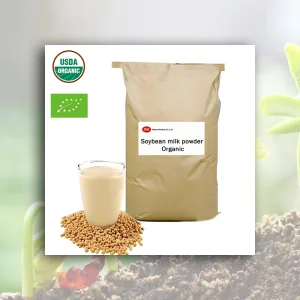

Established in 2005, Hebei Abiding Co., Ltd. has established itself as an elite global supplier of clean-label foods and specialized food ingredients. With nearly two decades of operation, our organization is structured as a vertically integrated ecosystem covering raw material cultivation, advanced chemical-physical processing, rigorous quality assurance, and complete global distribution pathways.
Our processing focus revolves around premium plant-based proteins, including Textured Vegetable Protein (TVP), organic legume derivatives, and highly specialized food additives. As a certified EU & NOP organic supplier, we maintain strict traceability matrix structures from the farm level up to high-output twin-screw extrusion factories.
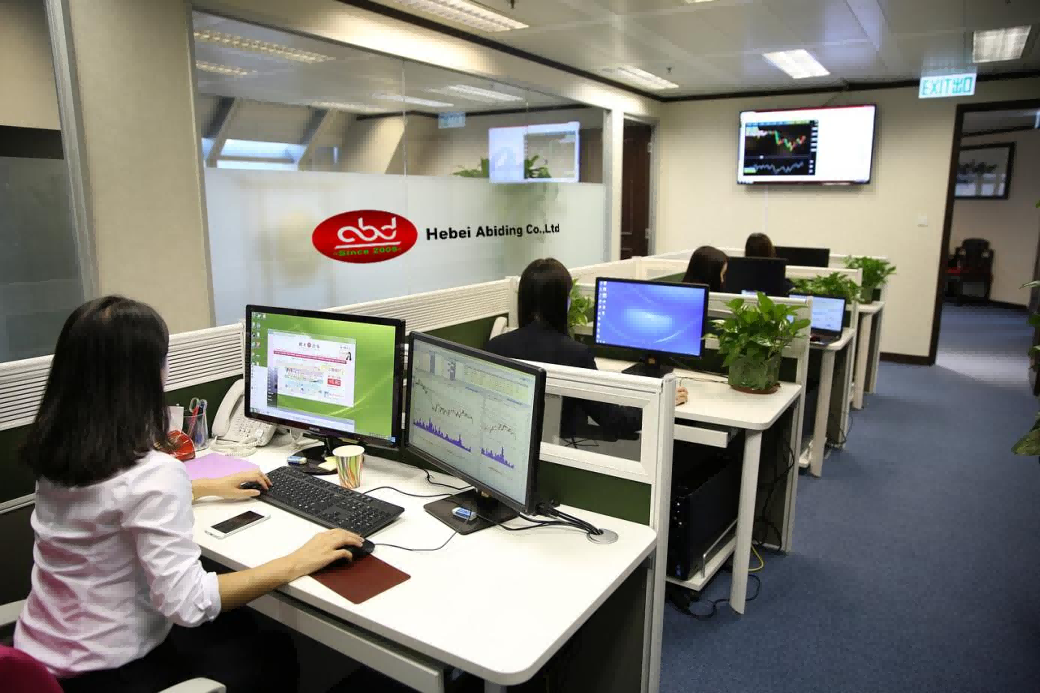
Fig 1: Integrated Corporate Processing Infrastructure & Technical Capabilities at Hebei Abiding Co., Ltd.
Textured Vegetable Protein (TVP), also referred to as textured soy protein (TSP) or structured plant protein, is a critical product of high-temperature, high-pressure, and high-shear extrusion technology. Modern industrial plants must align specific parameters to ensure protein integrity and functional mechanical performance.
Utilizing co-rotating twin-screw extruders allows factories to manage mechanical energy dissipation. Precise barrel zone temperatures (from 80°C up to 180°C) align protein molecules into parallel fibrous sheets mimicking animal muscle fibers.
A world-class TVP plant must monitor protein concentration (typically >50% dry basis for soy flour, and >70% for soy concentrates), fat content (must remain <1.5% to prevent lubrication inside the extruder barrel), and particle size distribution.
Following extrusion, moisture levels drop from 30% to below 8%. Multi-pass fluid bed dryers ensure uniform moisture reduction, preventing internal micro-cracks and ensuring long-term shelf-stability without chemical preservation.

Fig 2: Organic Agricultural Management Systems & EU/NOP Compliance Controls
Our facility operates at the intersection of agriculture and chemical engineering. As an established organic supply chain leader, we manage thousands of hectares of certified organic farmland. This gives us direct oversight of crop genetics (strictly non-GMO) and nutrient profiles before the harvest enters our processing systems.
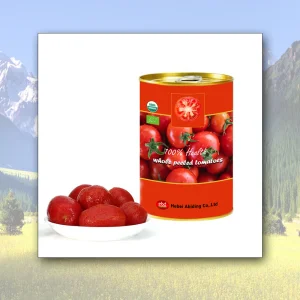
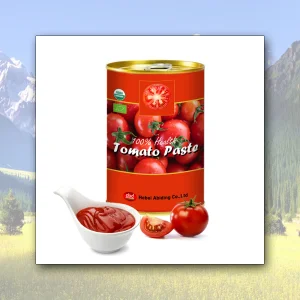
Having served as China's leading exporter of organic tomato paste for multiple consecutive years, we have scaled our production protocols to meet the food safety expectations of multinationals like Nestlé. This requires rigorous allergen segregation, zero residue limits for heavy metals and pesticides, and strict HACCP batch testing.
Through optimization of raw material sourcing and twin-screw thermal extrusion parameters, we provide global food developers with textured vegetable proteins that feature:
Understanding how raw vegetable proteins are transformed into textured meat analogues requires deep material science analysis. Below is the step-by-step mechanical and thermal pathway.
Defatted soy flour (DSF), soy protein concentrate (SPC), or pea proteins are combined with functional additives like calcium carbonate (acting as a nucleating agent to form uniform internal air cells) and pH adjusters. Standard protein concentrations are configured to stay between 50% and 70%.
The dry mix enters the preconditioner, where steam and liquid water are introduced. Pre-hydrating the raw materials (up to 20-25% moisture) and heating them to 70°C initiates starch gelatinization and begins softening the protein globules, reducing friction in the extruder barrel and improving energy efficiency.
Inside the twin-screw extruder barrel, the material experiences pressure levels up to 30-50 bar. The high mechanical shear breaks down the folded structure of protein molecules. As the temperature rises above 140°C, the proteins denature, aligning into long, fibrous chains.
As the aligned protein melt exits the extrusion die, a sudden pressure drop causes superheated steam to escape, creating a porous, expanded cellular structure. Rotating cutters slice the product into desired formats: granules, flakes, chunks, or custom-shaped nuggets.
The wet TVP passes through a continuous multi-zone dryer. Rapid moisture reduction stabilizes the protein network, preventing microbiological activity. Cooling systems lower the temperature to ambient levels before computerized weight packaging.
In standard meat processing, high-quality TVP granules function as a cost-effective, high-nutrient beef and pork substitute. Hydrated at a 1:3 ratio, TVP integrates with ground meat in burgers, sausages, and meatballs, reducing raw material costs by up to 30% while retaining protein levels and moisture.
For dedicated vegan meat alternatives, TVP provides the primary structural chew. When blended with wheat gluten or methylcellulose, TVP mimics the mouthfeel of chicken breast, pulled pork, or ground beef, absorbing liquid flavors and seasonings during food formulation.
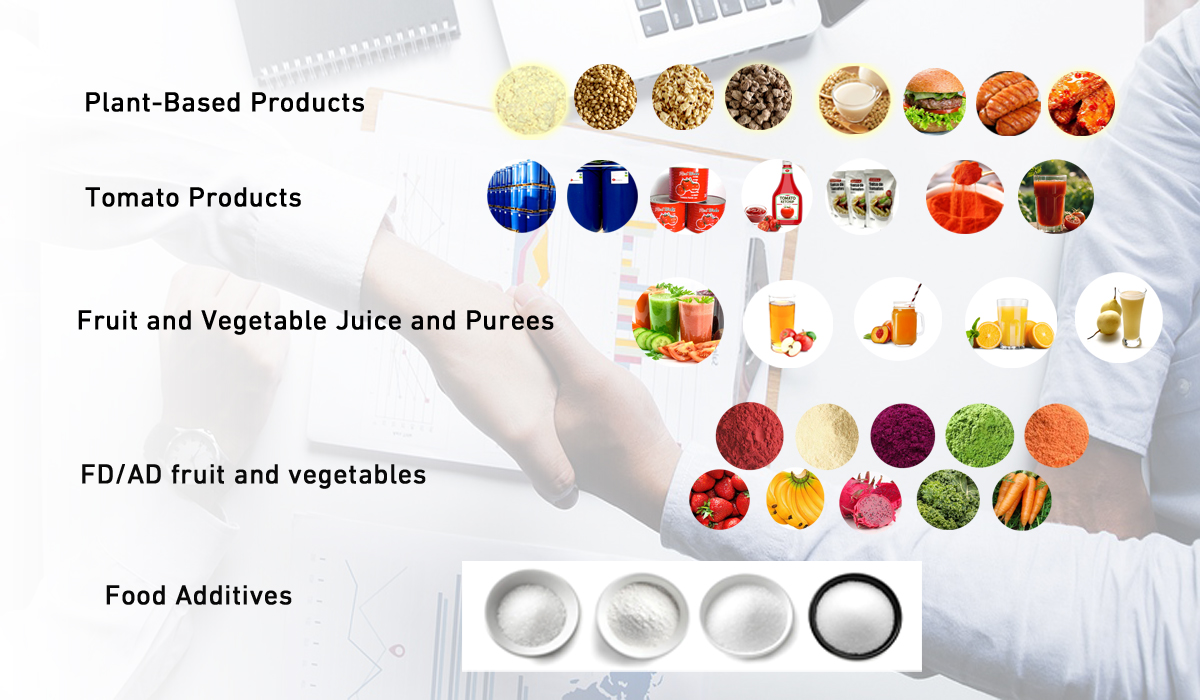
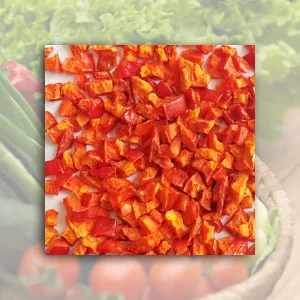
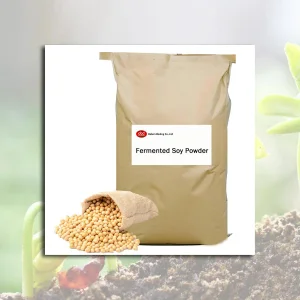
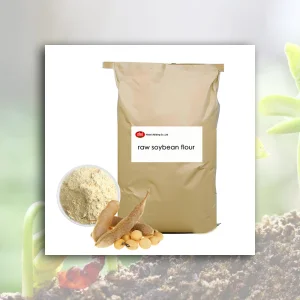
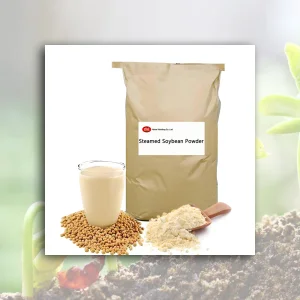
Fig 3: Diversified Plant-Based Proteins, Fibers, and Clean-Label Agricultural Ingredients
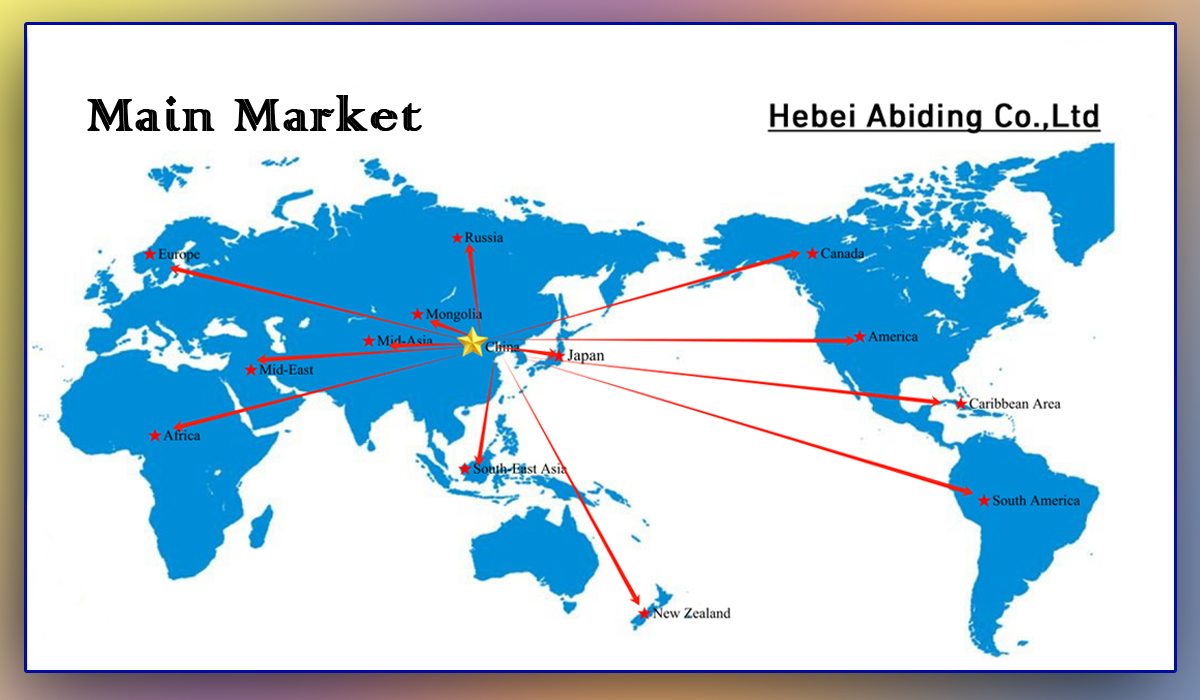
Fig 4: Standardized Food Logistics and Supply Chain Systems
Standard TVP can degrade during high-temperature canning and retorting processes. Our high-density textured proteins are engineered to maintain structural integrity under high temperatures, preventing disintegration in canned stews, chilis, and sauces.
The pet food industry uses TVP in canned wet chunks-in-gravy formulations. Textured vegetable proteins provide cost-effective nutrition, delivering amino acids and structural stability in extruded dry kibble and canned wet diets.
Global consumers increasingly seek recognizable food ingredients. This clean-label trend challenges manufacturers to eliminate chemical texturizers, emulsifiers, and synthetic binding agents. Our factories prioritize raw material purity, ensuring our textured proteins remain free of chemical solvent residues.
By managing the raw material supply chain, we control allergen profiles. Whether formulating non-GMO soy TVP or allergen-free pea protein TVP, we maintain strict isolation protocols to prevent cross-contamination.
This trace-forward capability is backed by our strict management philosophy: "Character, Food, Conscience, Love". We align food manufacturing with resource conservation, clean energy use, and zero-waste wastewater recovery programs.

Fig 5: Quality Traceability and Laboratory Control Systems
Expert technical answers to help procurement managers and product developers optimize textured vegetable protein integration.


 Abiding Food