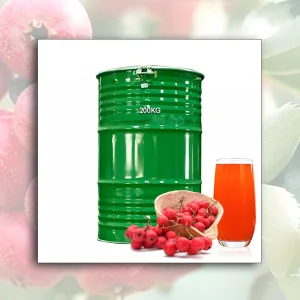
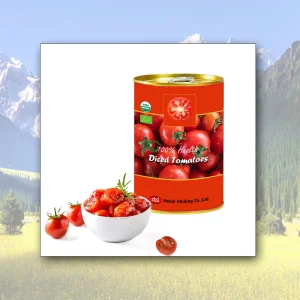
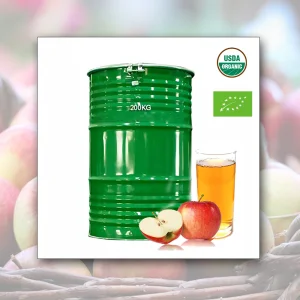
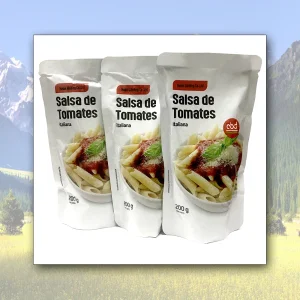
Discover our core industrial ingredients processed under clean-room specifications and certified for export to North America, the EU, and the Middle East.
The global demand for high-quality tomato ketchup and processed tomato derivatives is undergoing a structural transition. Driven by demographic changes, urbanization, and evolving consumer requirements for clean labels, the agricultural and industrial processing chains must optimize for both volume and purity. Tomato ketchup is no longer just a condiment; it has become a highly engineered food component that requires accurate control over physical-chemical traits such as Bostwick viscosity, brix consistency, acid-to-sugar ratio, and microbial safety.
For international buyers, selecting a tomato ketchup manufacturer involves auditing the complete value chain. From agricultural soil metrics to enzymatic inactivation during the Hot Break (HB) or Cold Break (CB) extraction processes, every variable impacts the stability and flavor profile of the final product. China has emerged as a cornerstone of the global tomato paste and ketchup trade, utilizing raw materials from geographic zones characterized by high sunshine hours and significant temperature differentials. This natural setting yields fruit with high lycopene content, natural sweetness, and optimal acidity.
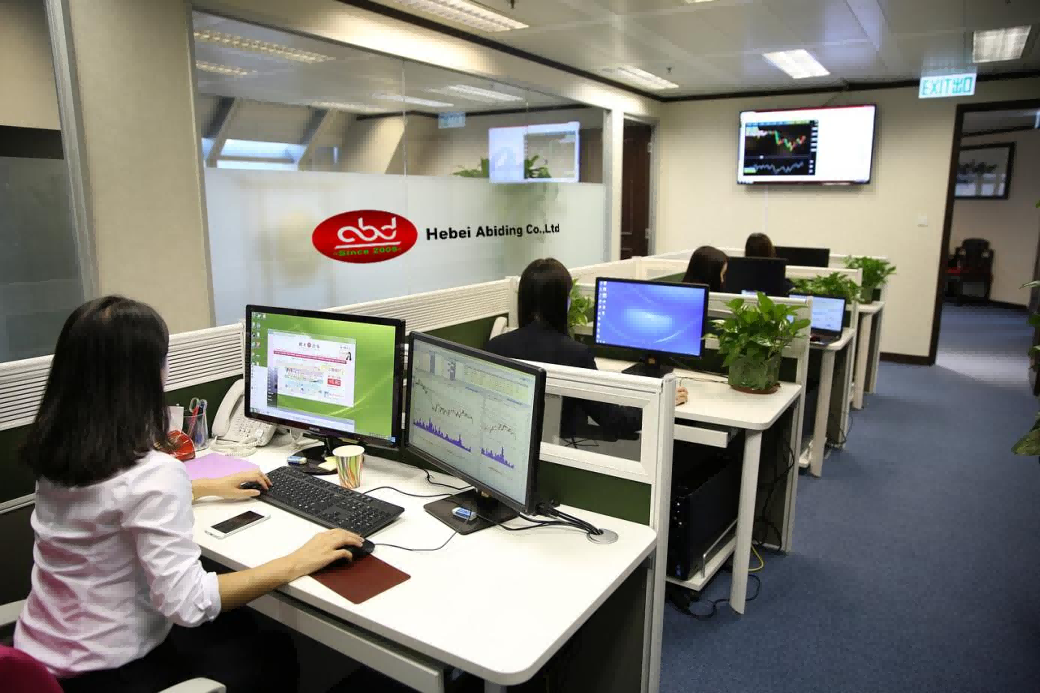

Established in 2005, Hebei Abiding Co., Ltd. has developed into a professional supplier of foods and food ingredients in China. Over the years, we have built a structured mechanism that integrates raw materials supplying, processing, sales, and after-sales service to ensure the delivery of qualified, high-grade products to our global partners.
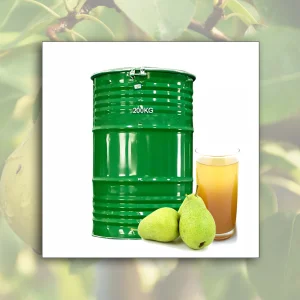
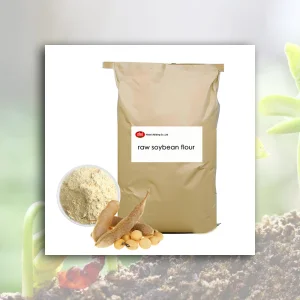
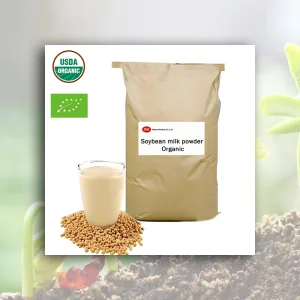
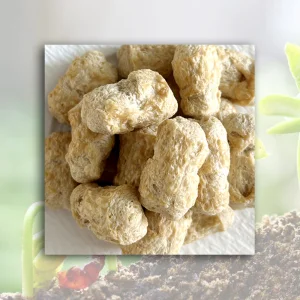
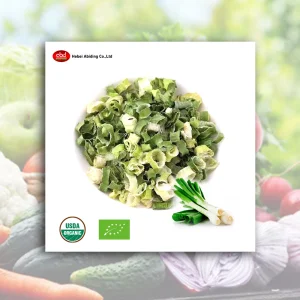
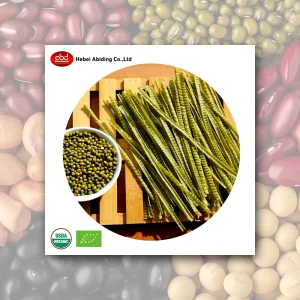
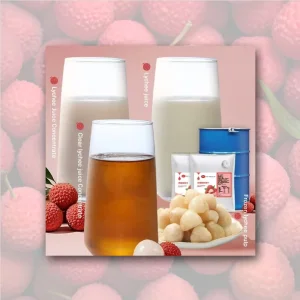
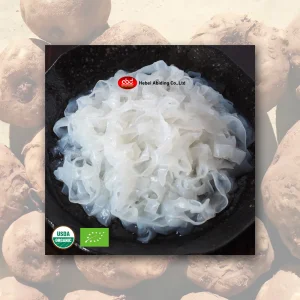
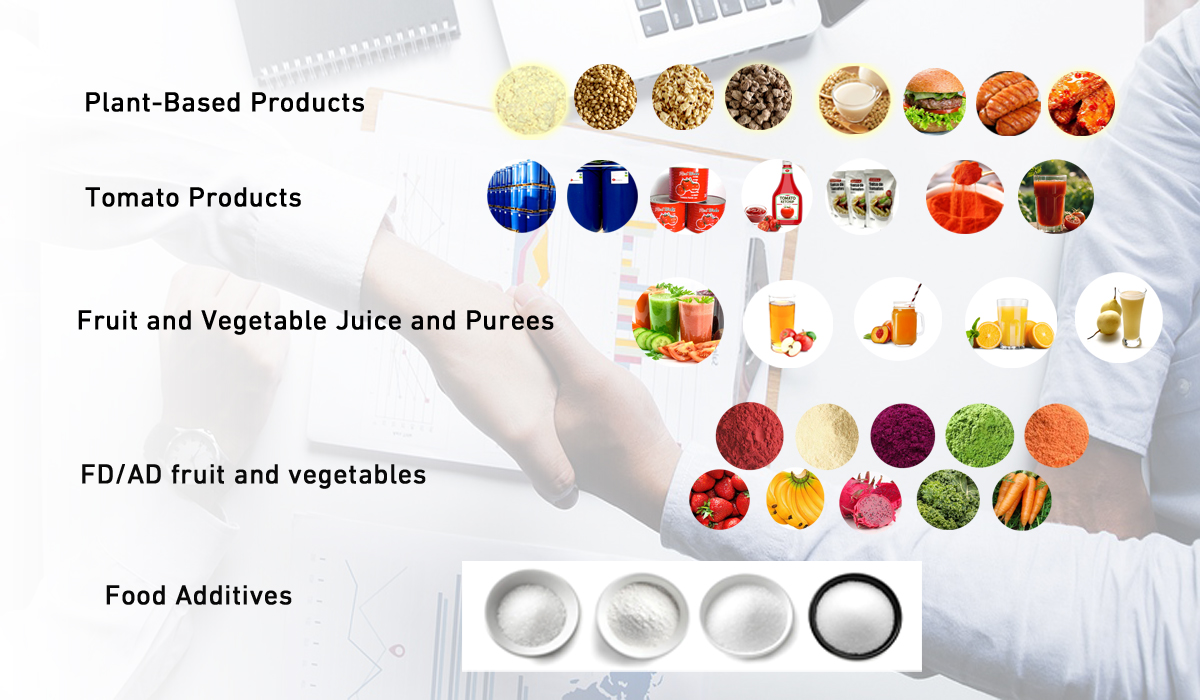
Our core product portfolio includes:
Modern consumers increasingly seek healthy, safe, and nutritionally balanced foods. Demands for high-protein, high-fiber, low-calorie, Vegan, GMO-free, gluten-free, and Keto-friendly options are reshaping the food landscape. These preferences open up new markets for innovative manufacturers.
Leveraging our experience in the organic sector, we develop products to meet these specific demands. By adjusting sugar profiles, removing artificial preservatives, and incorporating functional fibers, we help our clients target premium market segments.
For B2B buyers, this translates to customizable viscosity, low-sodium variations, and clean-label recipes that conform to local regulations while preserving taste and texture.
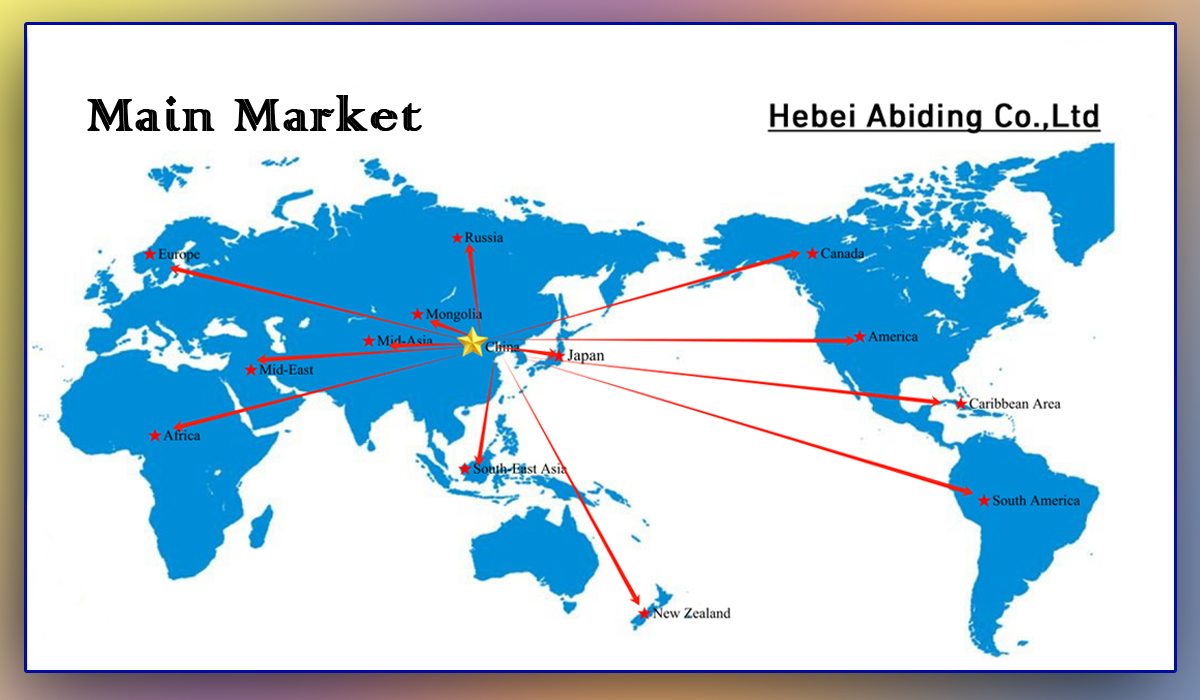
Establishing long-term, stable cooperation with international partners requires strict operational discipline. Hebei Abiding Co., Ltd. has developed supply lines that serve clients worldwide, building a reputation for reliability in the process.
We are certified by Nestle and other global companies, demonstrating our commitment to international safety and quality standards. Our quality assurance framework covers agricultural inputs, processing stages, container shipping conditions, and final clearance documents.
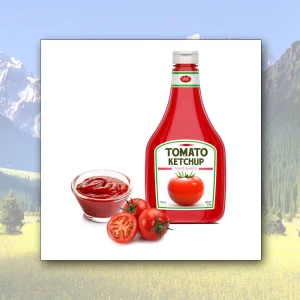
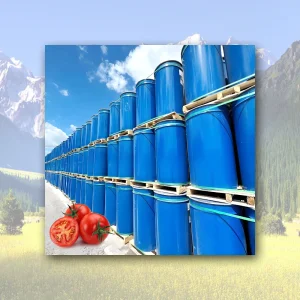
Whether supplying bulk ingredients in 220L aseptic drums or private label ketchup bottles, we prioritize consistent quality and clear communication.
Our purpose is to provide customers with healthy, safe products and attentive service. We focus on quality as a primary driver, emphasizing specific product characteristics to build efficient management and traceability systems.
We work to synchronize our operations with environmental protection, supporting agricultural health, collaborative growth, and sustainable production. We manage our organic farms in different provinces to protect soil health and biodiversity, reducing chemical runoff while producing high-quality yields.

Our processing facilities utilize advanced concentration systems and aseptic filling machinery to maintain product stability and preserve natural nutrients. Below are the standard specifications for our export-grade tomato ketchup and paste products.
Controlled within 3.0 - 5.5 cm / 30 seconds at 20°C. This ensures the ketchup maintains its shape and flows smoothly in retail and food service applications.
Standard retail ketchup is formulated at 28-30% Brix or 30-32% Brix, while custom formulations can be adjusted between 18% and 36% based on client specifications.
pH levels are maintained between 3.8 and 4.2. Total titratable acidity is strictly controlled to ensure preservation without compromising the flavor profile.
Calculated at a minimum of 45 mg / 100g of raw product. Color values (a/b ratio) are maintained at a minimum of 2.0 to ensure a deep red color without artificial dyes.
Find answers to common technical, logistics, and certification questions raised by food manufacturing and procurement managers.
Explore our additional processed organic and conventional raw ingredients for industrial food production, beverage bottling, and packaging operations.
 Abiding Food