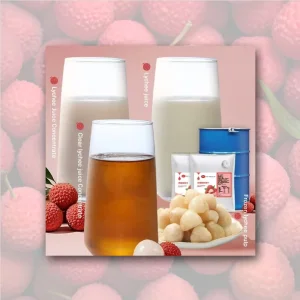
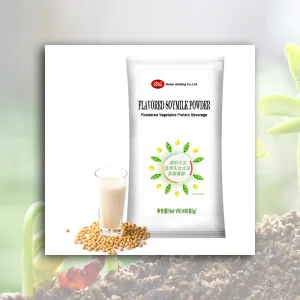
Founded in 2005, Hebei Abiding Co., Ltd. has established itself as an industry-leading manufacturer and exporter of organic agriculture and specialized food processing ingredients in China. Over two decades of rigorous operational refinement, we have developed a seamless global supply chain mechanism. This encompasses fully traceable raw material cultivation, advanced factory synthesis, optimized international logistics, and comprehensive regulatory documentation.
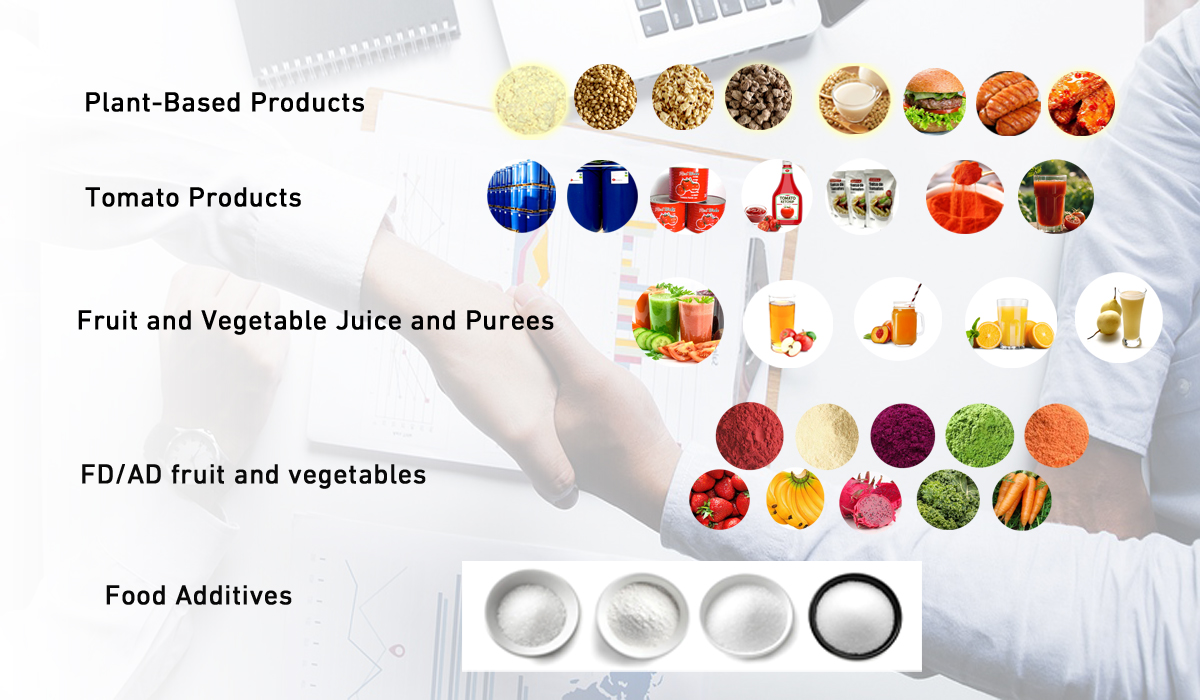
Our focus extends beyond traditional limits to encompass clean-label solutions, including plant-based proteins, freeze-dried and air-dehydrated fruits and vegetables, and customized fruit/vegetable purees and concentrates. We serve as the baseline partner for international corporate giants who refuse to compromise on microbiological control, viscosity precision, and organic integrity.

Analyzing the B2B landscape of tomato product formulation, pasteurization parameters, and consistency metrics in global markets.
For industrial ketchup manufacturers, consistent viscosity is paramount. Variations in Bostwick values can disrupt automated filling lines and alter the final mouthfeel of retail-packaged products. Hebei Abiding Co., Ltd. resolves this by providing fine-tuned Cold Break (CB) and Hot Break (HB) tomato paste profiles.
Our Hot Break pastes (typically 28-30% Brix) offer higher viscosity and pectin retention, crucial for achieving the rich, non-separating texture desired in premium ketchup. Conversely, our Cold Break variants (36-38% Brix) are optimized for juice reconstitution and lower-viscosity table sauces where color brightness and clean flavor profiles take precedence.

Global climatic shifts present supply chain risks to seasonal crop-based ingredients. To insulate partners from crop failures and price volatility, we operate organic farming coordinates across multiple Chinese provinces, leveraging local variations in sunlight and soil.
By cultivating raw tomatoes in high-solar-irradiance zones like Xinjiang and Inner Mongolia, we secure raw materials characterized by elevated lycopene content (exceeding 50mg/100g) and low natural acidity. This reduces the chemical adjustments needed during the downstream cooking process, aligning with clean-label regulations globally.
Why Tier-1 global food companies and multinational brands like Nestle trust our manufacturing protocols.
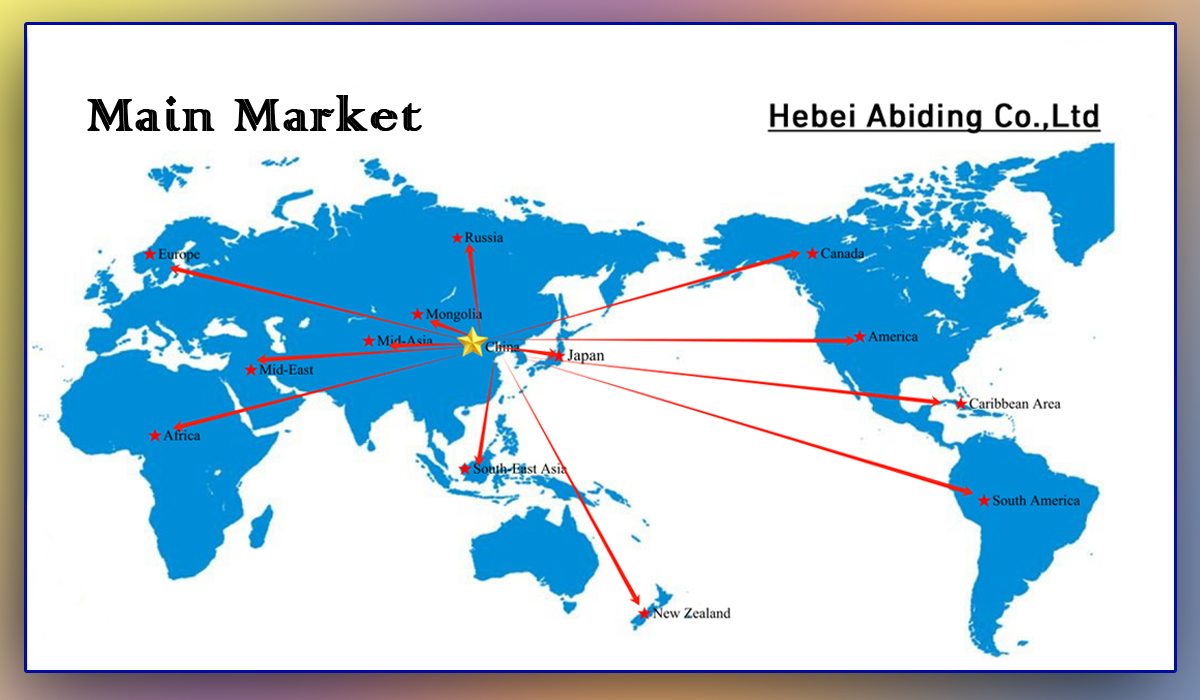
Our 20+ years of export operations ensure deep familiarity with international port logistics, customs requirements, and food safety standards. We consistently maintain the status of China's leading organic tomato paste exporter.
We are a certified Nestlé supplier, which means our manufacturing facilities pass strict third-party audits evaluating raw material safety, social responsibility, workplace ethics, and production control.
Operating under the motto "character, food, conscience, love," our traceability system links every single shipping drum back to the specific farm plot, seed type, and harvest date.
Ensuring frictionless importing processes through pre-verified chemical, microbiological, and customs certification standards.
| Target Region | Primary Regulatory Standard | Pesticide Residue Limits | Microbiological Criteria | Required Export Documentation |
|---|---|---|---|---|
| European Union (EU) | EC Regulation No 834/2007 & 889/2008 | Zero tolerance for non-approved organic synthetic compounds | Mould count <40% positive fields (Howard Mould Count) | EU COI (Certificate of Inspection), Phytosanitary Cert, COA |
| United States | USDA NOP & FDA CFR Title 21 | Compliant with EPA tolerances for food products | Pathogen-free (Salmonella, E. coli, Listeria negative) | FDA Food Facility Registration, USDA Organic NOP Cert |
| Asia-Pacific (APAC) | GB Standards, JAS, & regional equivalents | Strict alignment with specific regional target codes | Total Plate Count <1000 CFU/g, yeast/mould <10 CFU/g | Form E/FTA Preferential Origin Certs, Traceability Flowcharts |
| Middle East | GSO Food Standards (Gulf Standardization Org) | Codex Alimentarius pesticide residue guidelines | Commercially sterile (undergoes thermal UHT sterilization) | Halal Certification, Certificate of Conformity, Chamber of Commerce Invoice Legalisations |
How we tailor viscosity, sweeteners, and acidity to match regional food preferences and industrial operations.
Fast-food chains demand consistency. Ketchup deployed in dip cups or pump dispensers requires controlled syneresis (water separation) and precise viscosity. We formulate bulk purees that perform consistently under high-speed filling conditions, ensuring uniform flavor across franchises.
With consumer demand shifting towards low-sugar, non-GMO, and organic condiments, we supply certified organic tomato bases. These permit starch-free stabilization, allowing developers to create organic ketchups sweetened only with fruit concentrates like apple or white grape juice.
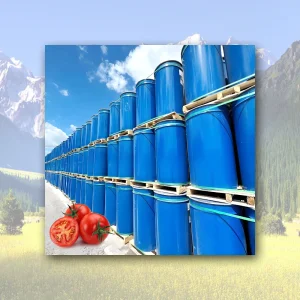
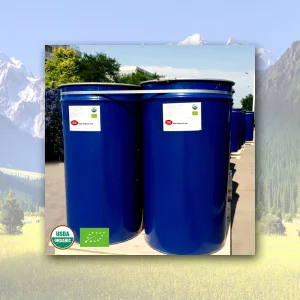
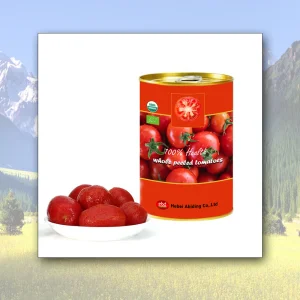
For industrial clients blending bulk sauces, our aseptic 220L drums optimize storage and minimize processing steps. These products are pre-pasteurized and packaged to maintain fresh color and flavor profile stability for up to 24 months without refrigeration.
Our commitment to environmental integration, process optimization, and smart food tech advancement.
Implementing sensor-based soil monitoring and precision drip irrigation across contract farms. This reduces water usage by 30% while raising natural Brix levels in our fresh tomatoes.
Transitioning processing facilities to vacuum evaporation lines. This helps prevent lycopene oxidation, ensuring naturally bright red tomato derivatives without chemical dyes.
Developing upcycling processing systems to convert tomato peels and seeds into dietary fiber additives and lycopene extract powders, supporting a circular economy.
Expert answers addressing the primary chemical, logical, and supply chain concerns of international procurement officers.
Hot Break (HB) tomato paste is heated immediately upon chopping to 85–100°C, which deactivates natural pectin-cleaving enzymes. This preserves pectin, yielding a thicker, highly viscous product ideal for premium ketchup. Cold Break (CB) paste is heated at lower temperatures (65–75°C), allowing enzymatic action to break down pectin, resulting in a lower viscosity product suited for juices, soups, and light table sauces.
Our organic tomato farms and processing lines are audited and certified annually under EU organic standards (EC No 834/2007) and the USDA National Organic Program (NOP). We also hold ISO 22000, HACCP, Halal, and Kosher certifications, and maintain an approved audit registration status within the Nestlé global ingredient supplier directory.
Our bulk tomato paste packaged in 220L aseptic bags within steel drums has a shelf-life of 24 months from the date of manufacture. It should be stored in cool, dry conditions (preferably below 20°C). Once the aseptic seal is broken, the product must be processed immediately or kept refrigerated to prevent aerobic microbial spoilage.
We isolate our organic farm plots from conventional agricultural lands using natural buffer zones. Every batch of harvested tomatoes is assigned a unique lot number that matches its agricultural plot. We conduct pre-harvest pesticide screening and run third-party laboratory tests (including SGS and Eurofins) for over 500 chemical residues to verify compliance prior to customs dispatch.

Our Purpose: To supply global families with clean, nutritious, and safe food solutions while delivering responsive support to our business partners. We achieve this through structured management, quality control, and strict batch-to-farm traceability.
Our Objectives: To grow in harmony with the environment, adopt eco-friendly farming techniques, lower our carbon footprint, and build lasting B2B relationships founded on transparency and shared success.
 Abiding Food