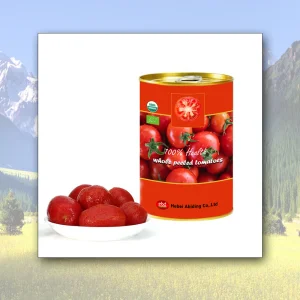
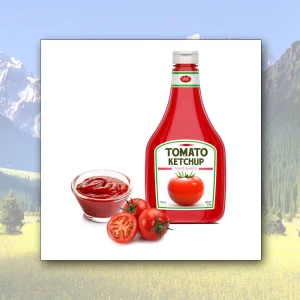
In the hyper-competitive global food sector, procuring Cheap Whole Peeled Tomatoes in Tomato Juice requires a strategic balance between unit-cost efficiency and rigorous technical metrics. Sourcing managers are increasingly tasked with navigating the nuances of raw crop yields, processing line efficiency, brix densities, and compliance matrices. "Cheap" does not imply compromised quality; in advanced agricultural manufacturing, it refers to cost leadership achieved via vertical integration, modernized automated peeling technology, and localized supply-chain logistics.
As food service networks, private labels, and industrial CPG brands scale up operations, securing stable supply pipelines from proven factories becomes paramount. This whitepaper analyzes the agricultural, manufacturing, and shipping criteria necessary to establish low-cost, high-yield tomato contracts without compromising quality, food safety, or regulatory frameworks.
For bulk procurement, quality must be defined in strict quantitative metrics. The table below outlines the primary industrial grades and technical targets that manufacturers adhere to for high-quality, cost-efficient whole peeled tomatoes packed in tomato juice.
| Specification Parameter | Standard Target (A-Grade) | Standard Target (B-Grade / Budget) | Methodology / Standard Compliance |
|---|---|---|---|
| Brix (Soluble Solids) | ≥ 6.5% (Juice Medium) | 4.5% - 5.5% | Refractometer Method (ISO 2173) |
| pH Range | 4.1 - 4.4 (Natural preservation) | 4.2 - 4.5 | pH Electrode Meter (AOAC 981.12) |
| Drain Weight (DW) Ratio | ≥ 60% of Net Weight | 55% - 59% | Standard Sieve Drainage Protocol |
| Bostwick Consistency (Juice) | < 9.0 cm / 30 sec | 10.0 - 12.0 cm / 30 sec | Bostwick Consistometer (at 20°C) |
| Howard Mold Count (HMC) | ≤ 40% positive fields | ≤ 50% positive fields | AOAC 965.41 Microscopic Analysis |
| Defects (Skin, Blemishes) | < 2 cm² per 1000g total weight | < 4 cm² per 1000g total weight | USDA Grade Standard for Canned Tomatoes |
To source "cheap" (cost-optimized) canned tomatoes without experiencing high rate of product rejects, buyers must understand the core levers of processing efficiency. Tomato factories that run optimized manufacturing plants minimize overhead and passes the savings to the customer:
Thermo-physical steam peeling removes skins instantly using pressurized steam pulses. This automated process minimizes tomato flesh loss, yielding a higher drain weight per ton compared to outdated chemical chemical-peeling methods.
Operating contracted agricultural lands directly adjacent to the canning plant cuts transport times to under two hours from harvest to sealing. This minimizes oxidation, locks in natural color, and reduces fuel costs.
Utilizing state-of-the-art high-frequency electronic welding and internal lacquering (BPA-free) on three-piece steel cans helps prevent corrosion and extends shelf life to 36 months, reducing logistical waste.
Global food services and CPG brands require uninterrupted supply chains. Buying whole peeled tomatoes in tomato juice from Chinese manufacturing hubs like Hebei Abiding Co., Ltd. provides a massive structural advantage. The Northern Chinese plains feature long sunshine hours, wide temperature swings, and a dry climate, which yield tomatoes with high dry matter content, thick walls, and deep natural red pigmentation (Lycopene contents above 12mg/100g).
To protect margins against global transport fluctuations, experienced procurement managers utilize bulk contracting strategies:
Established in 2005, Hebei Abiding Co., Ltd. is a professional supplier of foods and food ingredients in China. Over the past two decades, we have developed a seamless business ecosystem encompassing raw material sourcing, strict production quality controls, distribution, and comprehensive after-sales service.
As a certified EU & NOP organic products supplier with more than 20 years of experience in the organic food fields, we have ranked as the largest exporter of organic tomato paste in China for many years. We operate our own organic farms and processing facilities in different provinces in China to ensure that our products strictly comply with organic standards.
Our core commercial advantages include:
The manufacturing process at our factories is optimized to maintain the structural integrity of the whole peeled tomato while executing clean peeling and airtight sealing.
Freshly harvested tomatoes undergo double mechanical sorting and high-speed optical scanning to remove green, damaged, or misshapen fruits, ensuring uniform color and ripeness.
Flash-steam chamber exposure splits the tomato skins. Vacuum extractors then pull the skins off cleanly, leaving the red outer pericarp intact without affecting the underlying flesh.
Peeled tomatoes are packed into cans, filled with fresh tomato juice (Brix adjusted), and vacuum-sealed to prevent aerobic degradation.
Cans pass through continuous retort cookers at precise time-temperature levels to achieve commercial sterility, preserving nutrients and maintaining a firm texture.
Unlike cheaper brands that pack tomatoes in water, our premium and budget-friendly pipelines utilize natural tomato juice as the packing medium. This standard enhances the flavor profile, maintains the integrity of the whole tomatoes during transit, and increases the overall culinary value of the product for institutional kitchens.
To meet global food import requirements, Hebei Abiding Co., Ltd. maintains robust international compliance standards. Food safety and traceability are integrated into every phase of production:
By selecting an integrated manufacturer, bulk buyers reduce risks related to foreign matter contamination, high heavy-metal indexes, or container leakage. Our QC division tests every batch for pesticide residues, heavy metals, and microbiological stability before releasing it for shipping.
Review detailed technical answers to help streamline your procurement planning and factory auditing.
 Abiding Food