The industrial food landscape is witnessing a structural shift towards high-quality, pre-formulated sauces. The demand for "Cheap Tomato Basil Sauce Factory & Factories" is no longer just about searching for the lowest price point. Today, strategic B2B buyers define "cheap" as the integration of high-yield farming, processing efficiency, supply chain robustness, and cost-effective packaging. By eliminating middle layers and optimizing thermal kinetics, modern factories produce sauces that retain the volatile flavor compounds of fresh Genovese basil and the natural acidity of vine-ripened tomatoes at a fraction of standard manufacturing costs.
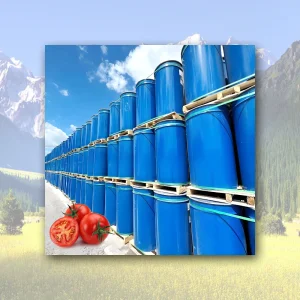
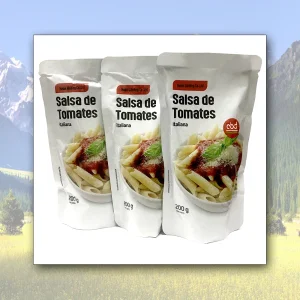
Global food services, airline caterers, private labels, and retail brands require reliable bulk packaging options like aseptic 220L drums, flexible bag-in-box systems, or high-speed glass packaging lines. This article provides a comprehensive industrial breakdown of the global tomato basil sauce supply chain, evaluating manufacturing standards, cost drivers, and localized application profiles.


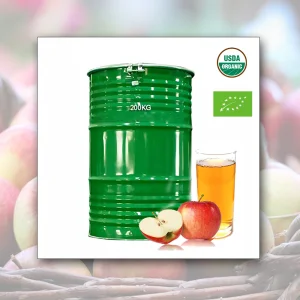
As a certified EU & NOP organic products supplier with more than 20 years experiences in the organic food fields, we have been ranked the largest exporter of the organic tomato paste in China for many years. We have our own organic farms and processing facilities in different provinces in China to ensure that our products strictly comply with organic standards.
By controlling the entire process from organic tomato seed selection to the final formulation of Tomato Basil Sauce, we eliminate middle-tier markups. Our integrated factory model allows us to leverage large-scale production runs to provide competitive, cost-effective pricing while complying with the strict food safety guidelines of EU, US, and Asian regulatory bodies.
Our facilities are audited under global safety protocols, ensuring low chemical residues, complete biological safety, and full batch traceability.
The global tomato basil sauce market is expanding at a steady CAGR of 5.8%. The growth is driven by the rise of clean-label consumer preferences and the growth of quick-service restaurant (QSR) chains. Procurement managers face the challenge of securing raw ingredients that maintain consistent flavor profiles under diverse storage and processing conditions.
Several key trends are driving procurement decisions:
Industrial formulations are moving away from artificial thickeners like modified corn starch in favor of natural tomato pectin and fiber, aligning with clean-label requirements.
Rising freight costs are pushing buyers toward high-viscosity concentrates or aseptic bag-in-box solutions, which reduce shipping volume and water weight.
Both EU and North American retailers are expanding their organic tomato basil private labels, requiring suppliers to hold dual NOP and EU Organic certifications.
China's industrial tomato processing industry, centered in Xinjiang and Inner Mongolia, accounts for a significant portion of the global trade in tomato paste. Abundant sunlight, high day-night temperature variations, and dry air provide ideal agricultural conditions for growing tomatoes with high lycopene content, high Brix values, and low natural mold counts.
By transitioning to Factory 4.0 processing paradigms, Chinese factories have achieved cost-efficiencies that make high-grade tomato basil sauce accessible for price-sensitive bulk contracts. These innovations include:
GPS-guided harvesting machinery harvests tomatoes at their peak ripeness and transports them directly to sorting lines within hours, minimizing sugar breakdown.
Advanced Italian-engineered forced-circulation evaporators concentrate the tomato juice at lower boiling points, conserving natural color, flavor, and energy.
Basil leaves are introduced via closed, sterile injection ports directly into the cooled sauce stream to prevent thermal degradation of delicate aromatic oils.
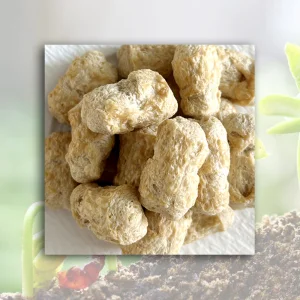
It is well known that more and more people care to take the healthy, safe and nutritious foods. The foods with the high protein, high fiber, low calorie, Vegan, GMO free, gluten free and even Keto friendly are more popular. So above requirements bring us to one new world. With our good experience in the organic fields, we also successfully explore the products with such special characters to meet the customer requests. We have the confidence that this field would be one wide potential market full of chance.
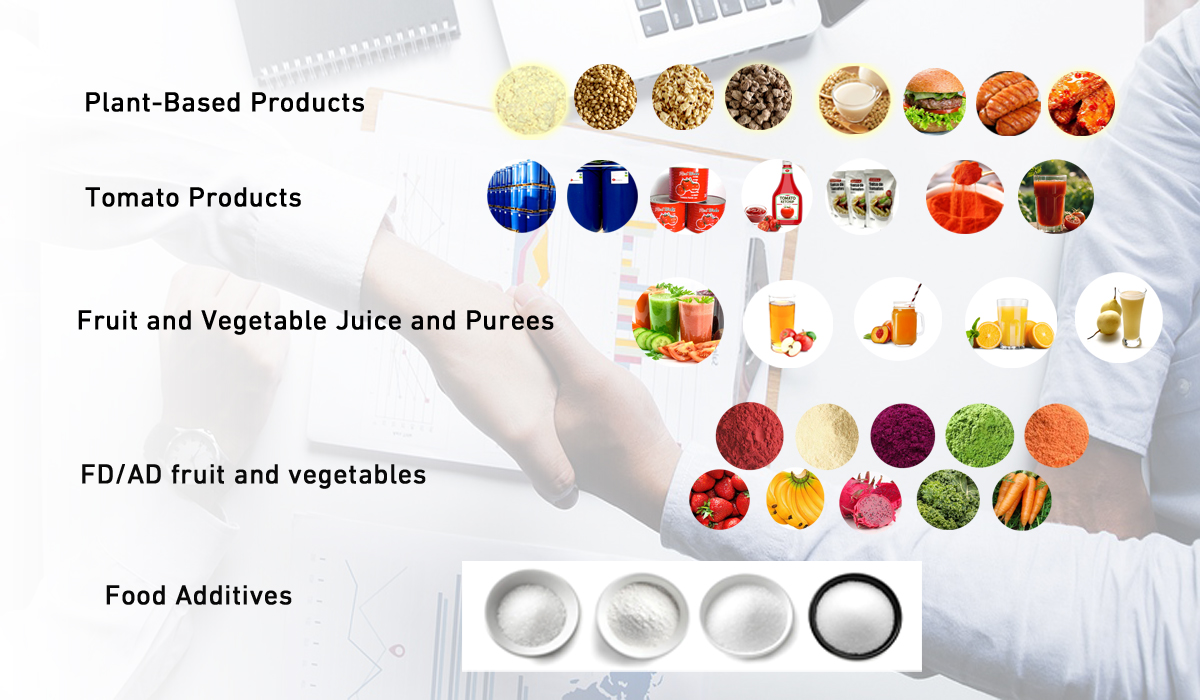
By leveraging our expertise in organic agriculture, we supply clean-label tomato basil sauces that contain no added sugar, artificial starches, or chemical preservatives. This profile makes them suitable for Keto-friendly, low-calorie, and vegan-certified consumer markets worldwide.
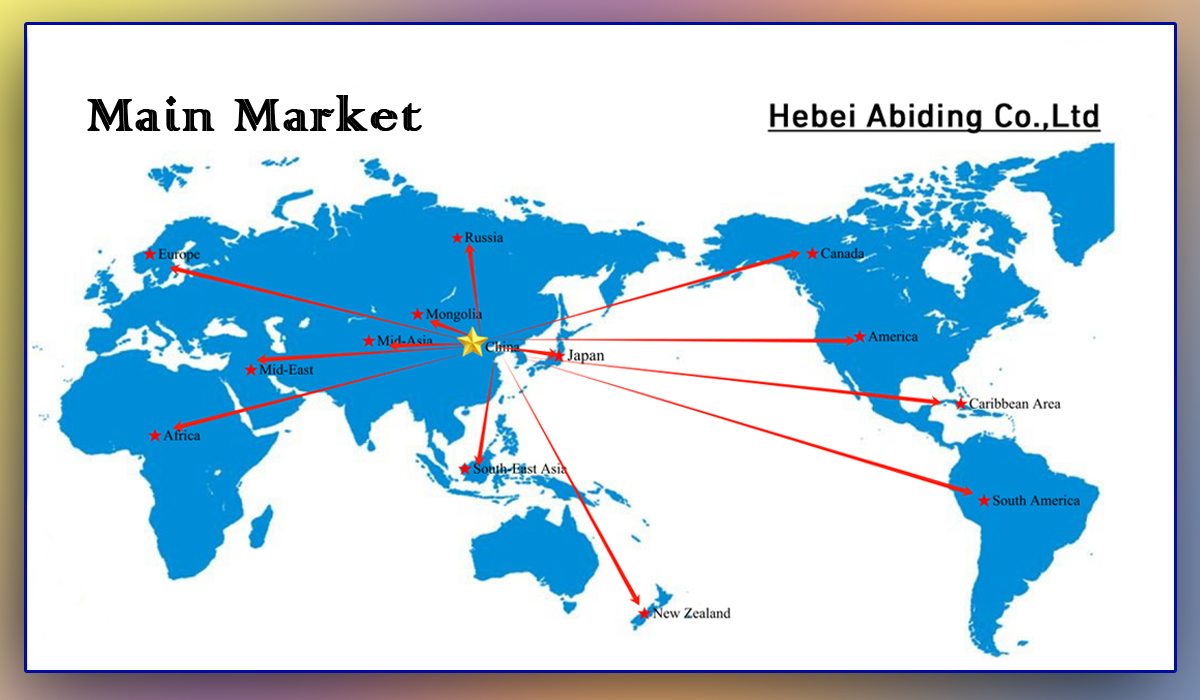
We have established long-term and stable business cooperation with many customers around the world and have won the good reputation there. It is our honor to be one qualified supplier certified by Nestle and other world famous companies. We would like to continue to provide our best service to the customers to share the pleasure in the cooperation.

Our purpose: to provide customers with healthy and safe products, to provide customers with the most intimate service. Survival by quality, development by characteristics, so as to form a fast and efficient management team and quality traceability system. To achieve the purpose of "character, food, conscience, love".
Our Objectives: to synchronize with environmental protection, with health, gather wisdom, seek common development, and build an excellent enterprise.
Tomato basil sauce serves as a functional base across multiple segments of the global food manufacturing and service industries. Different markets require specific viscosity, texture, and flavor adjustments:
Requires high-viscosity sauces with minimal liquid separation to maintain dough integrity during baking. Our factory adjustments optimize Brix levels (typically 8-10° Brix) for easy pump dispensing.
Demands high thermal stability. The sauce must withstand retort sterilization without losing its red color or fresh basil aroma. We use cold-break pastes to retain optimal color and fresh note retention.
Focuses on flavor profiles tailored to regional consumer preferences. For example, North American markets often prefer a sweeter profile with visible basil flakes, while European markets lean toward higher natural acidity (lower pH) and smoother textures.
 Abiding Food