Premium solutions engineered for international food processors, distributors, and global brand buyers.
Strategic insights, technical classifications, and structural trade flows of the tin-packed tomato concentrate industry.
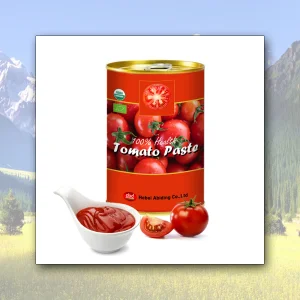
Tomato paste is one of the most heavily traded agricultural commodities globally. Processed primarily from field-grown processing tomatoes (Solanum lycopersicum), it functions as a baseline ingredient for retail ketchups, local sauces, industrial pizzas, and various culinary formulations. The global demand relies on tin packaging (ranging from small 70g consumer packs to large 4.5kg catering tins) due to its superior barrier properties, resistance to oxidation, and unmatched shelf-life stability in varying climates.
Tinplate packaging offers double protection (food-grade lacquered coatings such as organosol or polyester linings) that isolates the acidic content of the tomato paste from raw metal exposure. This keeps the concentrate fresh and free from chemical degradation, preserving its red color, natural flavor, and microbiological safety without needing chemical preservatives. This makes tinplate packaging highly practical for global trade and logistics.
For B2B procurement, tomato paste is categorised by its concentration scale (measured in degrees Brix) and heat extraction methods. These factors dictate the product’s viscosity, color, and functional application in food manufacturing:
| Concentration (Brix Grade) | Extraction Process | Common Applications | Viscosity Characteristics |
|---|---|---|---|
| 18-20% / 22-24% (Low Concentration) | Cold Break (CB) / Hot Break (HB) | Retail tomato sauces, direct consumption, base gravy | Light body, easy pouring, fresh color |
| 28-30% (Standard Concentration) | Cold Break (CB) / Hot Break (HB) | Tomato ketchup, industrial soup, canning, retail tins | Excellent balance of taste, color retention, and thickness |
| 36-38% (High Concentration) | Cold Break (CB) | Re-packing operations, industrial raw material sourcing | Highly concentrated, requires dilution in final preparation |
The choice between Hot Break (HB) (where fresh tomatoes are heated instantly to 85°C–100°C to deactivate pectin-destroying enzymes) and Cold Break (CB) (heated at 65°C–75°C to preserve enzymatic structures, leading to a deeper red color and distinct aroma) is critical. HB paste is ideal for keeping ketchup from separating, while CB paste is preferred for reconstituted tomato juice and sauces where natural tomato flavors must stand out.
Combining the heritage of Hebei Abiding Co., Ltd. with modern food science and organic processing standards.
Hebei Abiding Co., Ltd. established in 2005 is a professional supplier of foods and food ingredients in China. We have one perfect mechanism including raw materials supplying, production, sales, after-sales service to ensure to supply the qualified products to the customers. Some of our core products we are handling are vegetable proteins, fruit and vegetable juice and purees, FD/AD fruit and vegetables, plant-based products and various food ingredients and additives.
We are dedicated to global supply integrity, ensuring all shipments meet rigorous international safety standards while keeping production lines smooth and efficient for partners across multiple continents.

As a certified EU & NOP organic products supplier with more than 20 years experiences in the organic food fields, we have been ranked the largest exporter of the organic tomato paste in China for many years. We have our own organic farms and processing facilities in different provinces in China to ensure that our products strictly comply with organic standards.

It is well known that more and more people care to take the healthy, safe and nutritious foods. The foods with the high protein, high fiber, low calorie, Vegan, GMO free, gluten free and even Keto friendly are more popular. So above requirements bring us to one new world. With our good experience in the organic fields, we also successfully explore the products with such special characters to meet the customer requests. We have the confidence that this field would be one wide potential market full of chance.
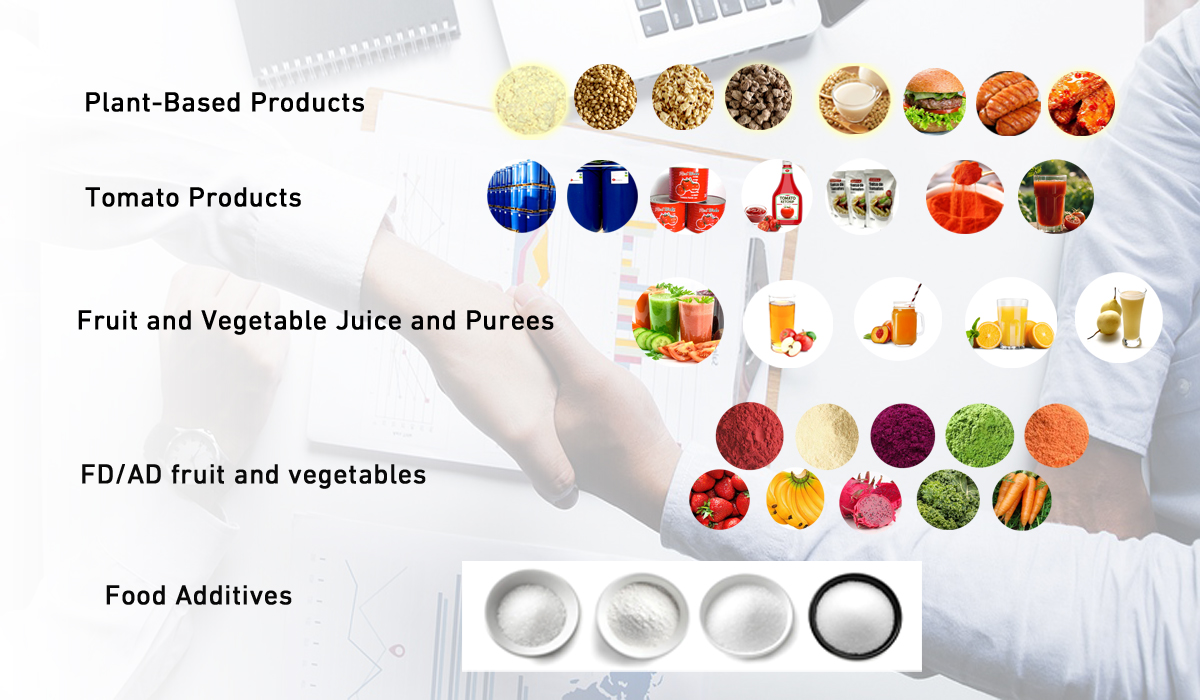
We have established long-term and stable business cooperation with many customers around the world and have won the good reputation there. It is our honor to be one qualified supplier certified by Nestle and other world famous companies. We would like to continue to provide our best service to the customers to share the pleasure in the cooperation.
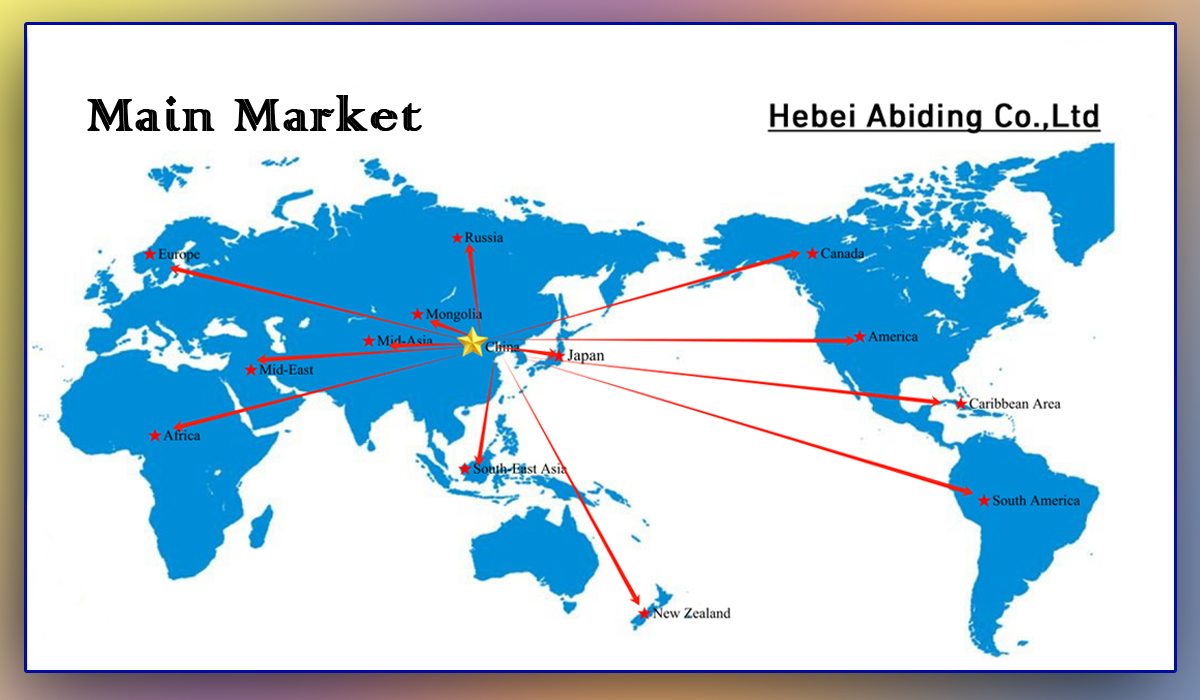
Our purpose: to provide customers with healthy and safe products, to provide customers with the most intimate service. Survival by quality, development by characteristics, so as to form a fast and efficient management team and quality traceability system. To achieve the purpose of "character, food, conscience, love".
Our Objectives: to synchronize with environmental protection, with health, gather wisdom, seek common development, and build an excellent enterprise.

How Chinese agricultural tech and automated processing systems guarantee global supply chain resilience.
Utilizing multi-stage forced circulation evaporators, we process raw tomatoes under low vacuum conditions. This preserves lycopene levels and the vibrant red color of the fruit while maximizing energy efficiency.
From field seed selection to planting, irrigation, and harvesting, our tracking system connects every batch of raw processing tomatoes to its origin farm. This allows us to easily verify organic claims and pesticide residue clearances.
We use Italian-designed aseptic filling heads and automated high-temperature instant sterilization systems (UHT). This achieves microbiological commercial sterility while maintaining the product's natural texture.
A closer look at how local markets utilize and repack tin-canned tomato paste across the globe.
In the MENA region, tomato paste is a fundamental pantry staple. It is widely used in stews, soups, and rice dishes like Kabsa. The market demands rich color and high concentration, typically requiring 28-30% Brix double-concentrated paste. Tins ranging from 70g (single-use) to 800g are popular because they can withstand high kitchen temperatures without spoiling.
Across West and East Africa, there is steady demand for tomato paste packaged in small tin sizes (70g, 140g, 210g, and 400g). These sizes fit the region's daily retail purchasing habits. Viscosity is key: buyers look for thick pastes with deep red color (high lycopene) that won't separate when making traditional recipes like Jollof rice or rich tomato stews.
In Europe, buyers prioritize organic certifications (such as EU Organic and NOP) and complete traceability back to the farm. Tomato paste is heavily used in ready-meal production, frozen pizza bases, and specialty sauces. High-capacity foodservice tins (such as 2.2kg, 3kg, and 4.5kg) with plain or lacquered interiors are standard to ensure safe long-term storage.
Driven by clean-label consumer trends, today's buyers seek tomato paste with no added salt, sugar, starch, or artificial thickeners. Organic-certified paste leads the growth in premium sectors. Food safety is also top-of-mind, with buyers requiring BPA-free lacquered tins and verified low heavy-metal levels to meet strict food regulations.
Crucial points to consider when issuing an RFQ for bulk tin tomato paste exports.
Specify your required Brix range, pH target (usually 4.0–4.4), Howard Mould Count (HMC) limits (under 40% or 50%), and Lycopene concentration. Clarify whether you need Hot Break or Cold Break paste.
For high-acid products, indicate whether you need food-grade lacquered coatings (organosol or polyester) to protect the metal from corrosion, or if plain tinplate is sufficient.
Specify your lid preference (easy-open ring pull vs. hard top). For bulk shipping, demand heavy-duty outer cartons and palletized loading to prevent denting during long ocean transits.
Direct answers to technical, commercial, and logical questions commonly raised by global procurement officers.
A: We use high-quality tinplate coated with food-grade epoxy-phenolic or organosol lacquer. This coating forms a protective barrier that prevents the organic acids in the tomato paste from reacting with the steel base, preventing pinholes and hydrogen swells.
A: Our canned tomato paste has a shelf life of 24 months from the manufacturing date, provided it is stored in a cool, dry warehouse. We use high-temperature short-time sterilization (HTST) to ensure commercial sterility without damaging the paste's color or nutritional profile.
A: Our organic tomato paste is fully traceable. We manage dedicated organic farms that do not use chemical fertilizers or synthetic pesticides. Every harvest and processing batch is monitored, verified, and certified by recognized third-party agencies under both EU Organic and USDA NOP guidelines.
A: The difference lies in the heating temperature during the initial chopping phase. Hot Break (processed at 85°C–100°C) deactivates pectinase enzymes, yielding a thicker, more viscous paste. Cold Break (processed at 65°C–75°C) preserves more natural pectins and enzymes, resulting in a thinner paste with better color and flavor retention.
A: Yes, we offer OEM and private label services. We support a wide range of tin packaging, from retail-friendly sizes (70g, 140g, 210g, 400g, 800g) up to catering sizes (2.2kg, 3kg, 4.5kg), with custom outer carton printing and loading configurations.
Premium agricultural products processed under clean-room conditions for global distribution.
 Abiding Food