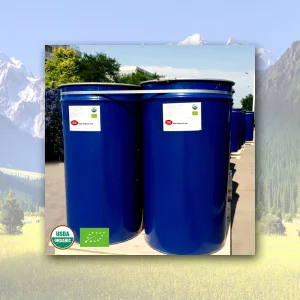
Within the global B2B food manufacturing industry, Bulk Tomato Paste in 220L Aseptic Drums serves as the fundamental raw material for thousands of consumer-facing products, including ketchups, structural sauces, ready-to-eat meals, soups, and beverages. Sourcing high-quality tomato concentrate requires a complete understanding of critical metrics: concentration levels (Brix values), thermal processing choices (Cold Break vs. Hot Break), and regulatory food safety standards (such as Halal and HACCP).
For procurement officers and manufacturing directors, purchasing from verified suppliers guarantees process consistency, reduced waste, and absolute supply chain traceability. As a certified EU & NOP organic food supplier with over two decades of processing and export excellence, Hebei Abiding Co., Ltd. offers this technical whitepaper to systematically evaluate variables that affect bulk tomato paste quality, handling efficiency, and regional compliance.
"The choice of tomato concentrate goes beyond raw sugar content. Viscosity, serum separation, lycopene retention, and microbial stability determine the physical properties and shelf stability of the finished product."

Understanding physical variables prevents processing disruptions, helps maintain consistent product viscosity, and optimizes recipe formulations. Industrial tomato concentrate is categorized by two main parameters: Soluble Solids Concentration (Brix) and the Thermal Processing Profile (Break Temperature).
| Parameters | Cold Break (CB) Concentrate | Hot Break (HB) Concentrate |
|---|---|---|
| Baking / Heating Temp | Preheated at lower temperatures (typically 65°C to 75°C). | Preheated at higher temperatures (typically 85°C to 95°C). |
| Pectinase Inactivation | Enzymes (pectinase) remain active, partially breaking down natural pectins. | Enzymes are rapidly denatured, preserving the natural pectins. |
| Viscosity / Bostwick | Lower viscosity (Bostwick reading: 7.0–11.0 cm/30s). High flowability. | Higher viscosity (Bostwick reading: 3.5–5.5 cm/30s). Dense body. |
| Color and Flavor | Brilliant, natural red color; fresh, sweet-tart tomato profile. | Deep, dark red hue; caramelized cooked profile. |
| Primary Applications | Tomato juices, reconstitution of retail pastes, canned sauces. | Thick ketchups, pizza toppings, BBQ sauces, paste spreads. |
The Brix scale measures the percentage of dry soluble solids. A 28-30% Brix concentration is standard for universal food service formulations due to its reliable flow dynamics. 36-38% Brix is a high-density concentrate. It reduces international shipping and packaging costs per unit of solids, but requires specialized shear pumps to reconstitute and hydrate effectively in production facilities.
The Bostwick consistometer measures the flow distance of tomato paste under its own weight for a specific duration. In pizza sauce production, a Hot Break paste with low Bostwick values prevents serum separation (water weeping out of the paste). This ensures crusts do not become soggy during high-temperature baking.
Lycopene is a natural pigment and antioxidant. Aseptic processing preserves lycopene values (typically above 50 mg/100g in high-grade paste). Maintaining proper thermal limits ensures deep red hues (a/b ratio > 2.0 in the Hunter Lab color space) without browning or generating off-flavors.

China is a top global exporter of industrial bulk tomato paste. The primary agricultural zones, located in Xinjiang and Inner Mongolia, benefit from unique geographical advantages: over 15 hours of daily summer sunlight, minimal rainfall, and glacier water irrigation. These conditions yield tomatoes with rich lycopene content, high Brix values, and low natural defect rates.
Hebei Abiding Co., Ltd., established in 2005, leverages these regional agricultural advantages through a vertical integration model. We oversee raw material cultivation, processing, packaging, and international export logistics. Over the past 20 years, we have grown into one of China's leading exporters of organic tomato paste, establishing standard facilities that strictly meet international regulations.
Our raw tomatoes are processed shortly after harvest using modern evaporator and aseptic filling lines. This rapid turnaround time preserves natural viscosity, limits microbial activity, and protects vitamins and volatile flavor compounds.
Established in 2005, we have spent two decades building raw material sourcing networks, processing systems, and regional logistics channels. We supply bulk food ingredients to global manufacturers, food service distributors, and major co-packers.
For many years, we have been ranked as a top exporter of organic tomato paste in China. Our agricultural operations spanning multiple provinces help maintain crop availability, even during seasonal shifts.
We manage dedicated organic agricultural bases that comply with European Union (EU) and USDA National Organic Program (NOP) standards. We monitor chemical run-off, soil composition, and crop treatments to ensure clean-label compliance.
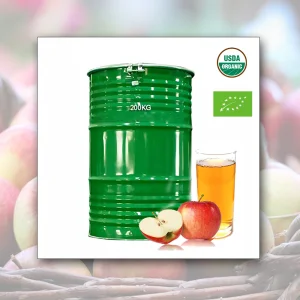
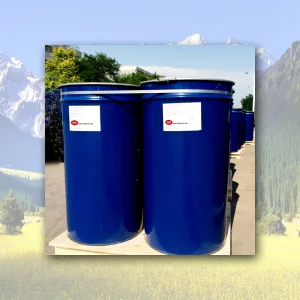
Bulk tomato concentrate requires packaging that protects it from oxidation and microbiological contamination. The 220-liter aseptic drum is the industry standard for overseas logistics, raw material storage, and manufacturing plants.
The packaging consists of a high-barrier, multi-layer aseptic bag placed inside a reinforced steel drum. After vacuum sterilization of the paste, it is cooled and filled in a sterile chamber. The bag is sealed to block oxygen ingress. This design enables a 24-month shelf life under ambient storage conditions (15-25°C), reducing the need for refrigerated cold chains.
Logistical Optimization: In standard shipping operations, exactly four 220L drums are secured to a wooden pallet. A standard 20-foot dry container fits 80 drums (20 pallets), totaling roughly 19 metric tons of tomato paste per shipment.
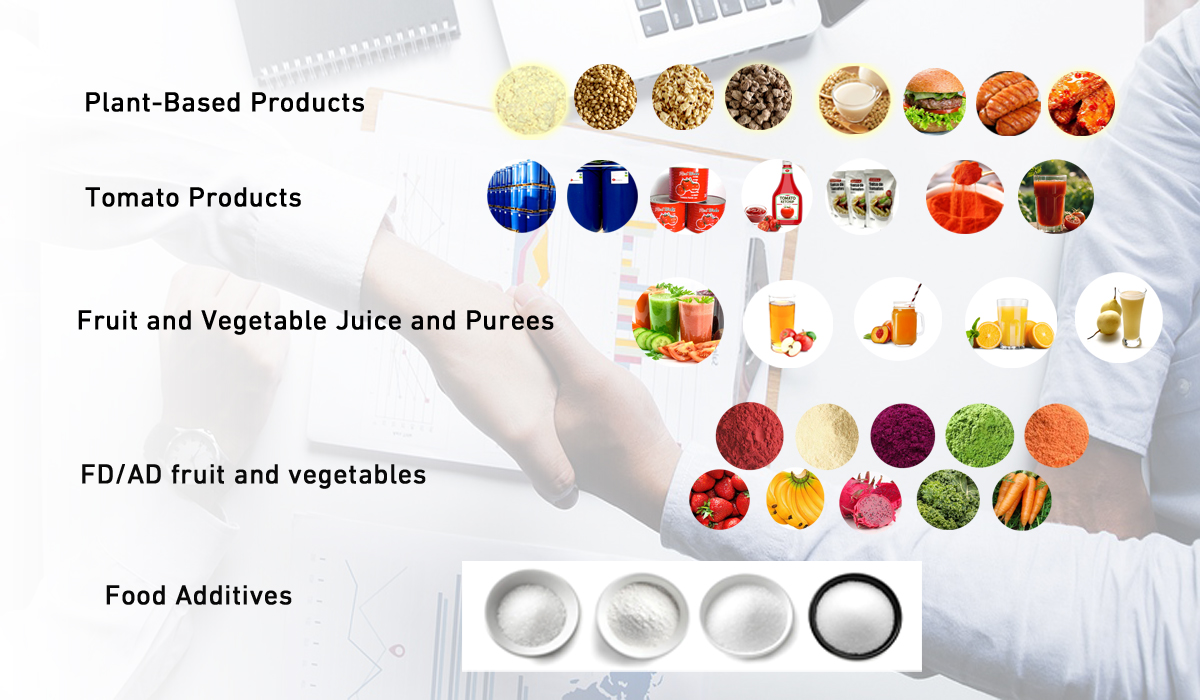
Entering international B2B supply chains requires adherence to food safety, regulatory, and religious compliance standards. Our production lines use strict control measures to verify paste purity, quality, and batch consistency.
Hazard Analysis Critical Control Point (HACCP) protocols are integrated into our manufacturing processes. We use magnets, metal detectors, and micro-filtration systems to prevent physical contamination, and maintain thermal processing values to ensure absolute product safety.
Our processing lines and raw materials are Halal certified by recognized Islamic authorities. Our manufacturing processes exclude any non-permissible processing aids, facilitating export into Southeast Asia, North Africa, the Middle East, and global markets.
Hebei Abiding Co., Ltd. is a qualified supplier certified by Nestlé and other global food corporations. This certification requires compliance with strict ethical sourcing guidelines, social responsibility standards, and rigorous chemical residue limits.
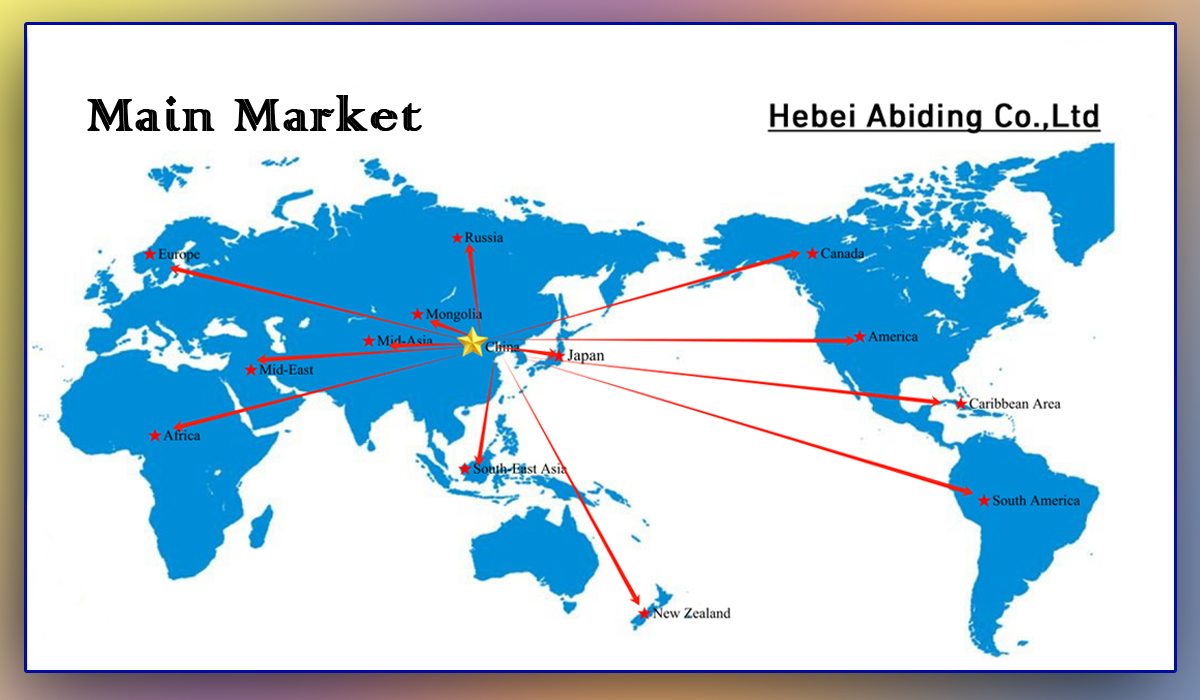
Different markets have specific requirements for tomato concentrate based on local consumer preferences, regulatory frameworks, and climate realities:
Our raw material sourcing and logistics systems adapt to these requirements, providing batch uniformity, reliable customs documentation, and consistent physical specifications.
Our Purpose: To provide food manufacturers with healthy, safe, and functional raw materials, backed by responsive customer support. We rely on quality control, clear-label raw materials, and tracking systems to deliver reliable products.
Our Objectives: To align our operations with environmental sustainability and healthy agriculture. By modernizing our supply chain and integrating farming with processing, we aim to reduce carbon output, limit waste, and build long-term B2B relationships.
As consumer demand shifts toward clean labels, non-GMO, and lower sodium profiles, we offer technical assistance to help our partners reformulate recipes, scale production, and meet changing market requirements.

A 28-30% Brix paste is easier to handle, reconstitute, and pump without specialized high-shear equipment. It is commonly used for standard sauces and food service bases. A 36-38% Brix paste is a highly concentrated product, making it cost-effective for international shipping since it contains less water. However, it requires robust mixing equipment at the destination plant to dilute and hydrate properly.
Pizza sauces require Hot Break (HB) tomato paste with a lower Bostwick measurement (typically 3.5 to 5.5 cm/30s). The high viscosity prevents the sauce from thinning under oven heat, avoiding moisture migration that can make the dough soggy during baking.
Our 220L aseptic drum packaging provides a 24-month shelf life when stored in dry, cool conditions (between 15°C and 25°C). Avoid freezing temperatures to protect the structure of the inner bag, and protect drums from direct sunlight to maintain the color and flavor profile over time.
These regions feature high daily temperature fluctuations, low humidity, and long sunshine hours. These agricultural conditions reduce pests and disease pressure, resulting in tomatoes with high lycopene, solid brix levels, and minimal yellow spots or insect damage.
Every shipment is accompanied by a Transaction Certificate (TC) issued by accredited organic certifiers (such as LACON or ECOCERT). These documents trace the batch directly to the organic farming base, verifying that no chemical fertilizers, synthetic pesticides, or GMO agents were used during production.
 Abiding Food