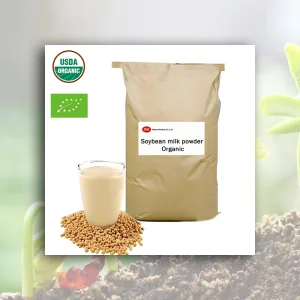
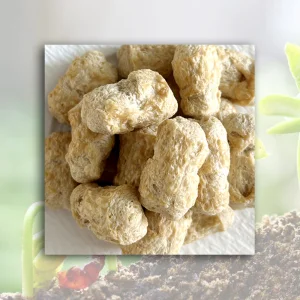
Explore our organic and clean-label agricultural base materials designed for demanding global industrial applications.
Hebei Abiding Co., Ltd. is a leading professional supplier of high-quality foods and functional food ingredients in China. Since our establishment in 2005, we have constructed a meticulously verified production mechanism integrating raw material supplying, state-of-the-art agricultural production, worldwide sales networks, and rigorous technical support services.
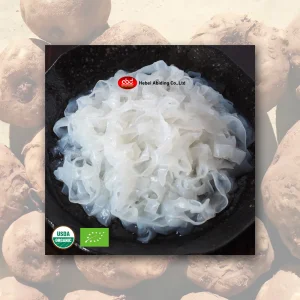
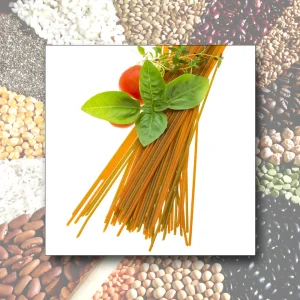
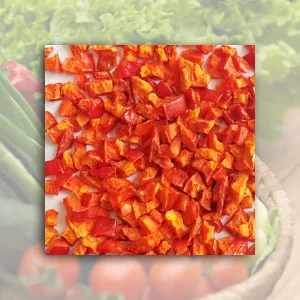
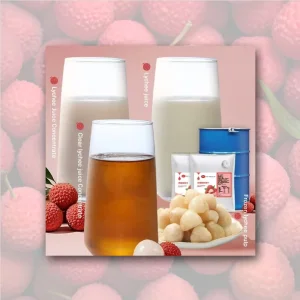
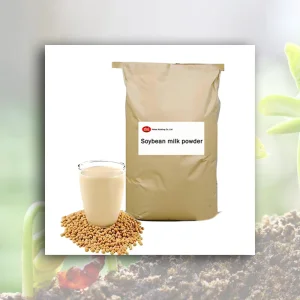
Our comprehensive product portfolio includes plant-based proteins, concentrated fruit and vegetable juices, advanced purées, freeze-dried (FD) and air-dried (AD) vegetables and fruits, and a wide array of food additives designed for the international food manufacturing industry.

Our commitment to sustainability, international food safety benchmarks, and high-performance ingredients.
As a certified EU & NOP organic products supplier with over two decades of processing experience, we have consistently ranked as China's premier exporter of organic tomato paste. Our proprietary organic farms and modern processing installations span diverse ecological provinces, ensuring 100% compliance with strict international agricultural regulations.
We cultivate long-term, strategic alliances with blue-chip global organizations. Having passed rigorous third-party audits, we are honored to be an official qualified supplier to Nestlé and other multinational enterprises. Our services guarantee seamless communication, batch-to-batch consistency, and robust contingency planning.
We prioritize environmental stewardship, health innovation, and collaborative progress. Driven by our corporate ethos of "character, food safety, conscience, and care," we employ complete traceability from seed-to-shelf, guaranteeing that our production footprints sync with the highest global ecological frameworks.
An analytical breakdown of macro factors driving supply chain restructuring, raw ingredient formulation, and clean-label shifts.
The global tomato processing and seasoning sector is undergoing a profound paradigm shift driven by evolving consumer health expectations, stringent agricultural residue regulations, and industrial demand for high-performance functional bases. Tomato sauce seasoning, traditionally reliant on high sodium and added sugars for preservation and taste enhancement, is being re-engineered. Today, developers demand nutrient-dense, natural tomato bases capable of delivering rich umami profiles without chemical flavor enhancers.
Three major macro trends are shaping the future of global sourcing in this segment:
These trends demand that manufacturing facilities move beyond simple packaging. High-quality tomato sauce seasoning factories must function as collaborative formulation partners, maintaining state-of-the-art agricultural controls, modern dehydration equipment, and highly optimized concentration lines that preserve key nutritional elements like lycopene and natural vitamins.
Critical parameters, rheological factors, and quality metrics that define premium industrial tomato sauce seasoning bases.
| Technical Parameter | Specification Range | Primary Industrial Application | Quality Signifiers |
|---|---|---|---|
| Soluble Solids (Brix) | 28-30% (Standard) / 36-38% (High Conc.) | Ketchup, Pizza Base Sauce, Concentrates | High refractive yield, reduced energy costs |
| Viscosity (Bostwick) | Cold Break (6-9 cm/30s) / Hot Break (4-6 cm/30s) | Ragu, Condiment Dressings, Pasta Fillings | Excellent suspension stability, minimal syneresis |
| Lycopene Content | ≥ 50 mg / 100g (Dry weight) | Nutraceuticals, Premium Clean-label Pasta Sauces | Deep crimson pigmentation, natural antioxidants |
| Acidity (as Citric Acid) | 1.5% - 2.2% (pH range 4.0 - 4.4) | Shelf-stable Dressing, Pickling Formulations | Natural antimicrobial preservation barrier |
| Howard Mold Count (HMC) | ≤ 40% (Strictly controlled under EU standards) | High-profile global brand manufacturing | Indicates sound agricultural raw material selection |
From a practical standpoint, understanding the processing method is critical to choosing the correct base. For instance, **Hot Break (HB)** tomato products are heated immediately to approximately 95-100°C after crushing to denature pectin-degrading enzymes. This retains the natural dietary fibers, resulting in a thick, high-viscosity paste ideal for rich marinades. Conversely, **Cold Break (CB)** processing uses lower heat (65-75°C) which allows enzymes to partially break down pectin, yielding a paste with a brighter color and fresh-cut flavor profile, perfect for ready-to-eat salsa bases and organic juices.
How Hebei Abiding translates agricultural raw materials into high-stability, food-safe seasoning bases.
Processing premium tomato seasonings requires a delicate balance of heat control, evaporation management, and aseptic packaging. We operate advanced multi-effect falling-film evaporators that remove water under vacuum. This low-temperature concentration minimizes thermal damage, protecting delicate lycopene compounds and flavor volatiles from caramelizing.
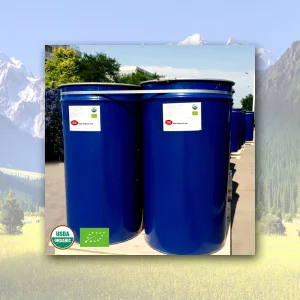
Our state-of-the-art facility uses magnetic separators and optical sorting systems to eliminate foreign materials before cooking. Post-evaporation, the paste undergoes ultra-high-temperature (UHT) sterilization before being aseptically packed into multi-layer barrier bags within steel drums. This technique guarantees a minimum shelf life of 24 months without synthetic preservatives.
Mitigating transit risks, managing regulatory differences, and ensuring seamless custom clearance.
Sourcing tomato seasonings globally requires navigating complex trade environments, pesticide residue regulations, and microbiological standards. As an exporter to demanding markets like Europe, North America, and Japan, Hebei Abiding understands these compliance challenges.
Our organic program features complete traceability back to the specific farm plots where the seeds were planted. Because our facilities comply with both EU Organic and USDA NOP standards, our customers receive valid organic certificates for every batch. This traceablity protects against authenticity issues, a growing concern in premium ingredient sourcing.
Additionally, we focus on managing maximum residue limits (MRLs). We use strict biological controls and mechanical weeding on our organic farms, avoiding synthetic pesticides. This proactive approach ensures our tomato products reliably pass rigorous customs testing at global ports of entry.
Strategic directions in smart agriculture, water reduction, and innovative formulations for 2026 and beyond.
Deploying soil moisture sensors and drone monitoring to optimize water usage in our organic farming regions. This system ensures consistent plant growth and improves tomato solids concentration, maximizing raw yields.
Transitioning to rapid, uniform electromagnetic heating. This method prevents local overheating, preserving the fresh organoleptic profile, natural vitamins, and vibrant red coloration of our tomato seasonings.
Upcycling tomato skins and seeds from our processing lines to extract natural lycopene and dietary fiber. These extractions are reintegrated into specialized seasoning blends, creating high-nutrient, zero-waste products.
Find quick answers to common technical, logistics, and quality questions about B2B tomato processing.
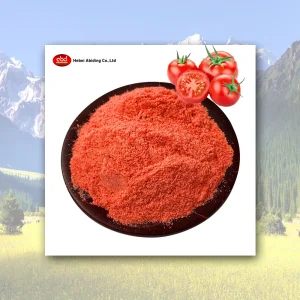
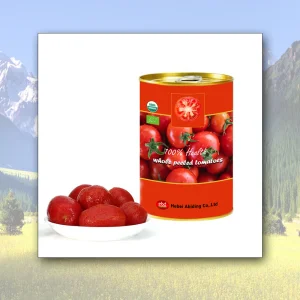
Explore our industrial-grade tomato powders, dried ingredients, and plant-based protein concentrates.
 Abiding Food