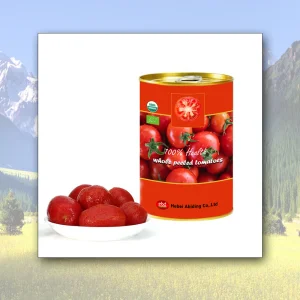
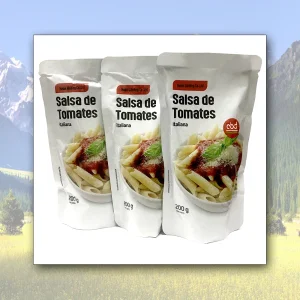
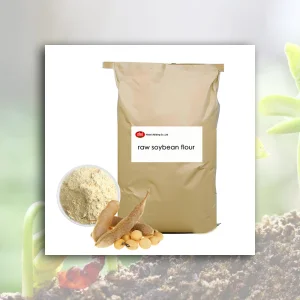
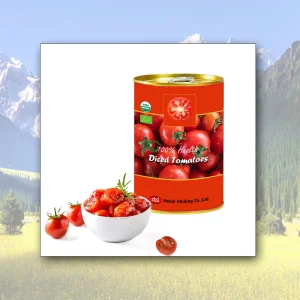
Explore our premium product portfolio certified to international food safety and organic standards.
Analyzing the balance between cost optimization and nutritional parameter maximization in global B2B procurement.
In the contemporary food processing landscape, the demand for natural, high-protein, and clean-label functional ingredients has experienced exponential growth. Roasted soybean powder, also known historically as roasted soy flour or Kinako, represents a critical cornerstone in modern food formulations. It serves not only as a nutritional fortifier but also as a primary organoleptic modifier. By leveraging low-cost yet highly sophisticated roasting technologies, a professional cheap roasted soybean powder manufacturer & factory can deliver essential plant-based protein without compromising on margin or quality.
However, the global food industry frequently faces a paradoxical challenge: how to reconcile "cheap" pricing models with high standards of microbiological purity, enzyme deactivation, and organic certification. For large-scale manufacturers, this requires a fundamental transition from traditional artisan roasting to highly automated, closed-loop thermal processing systems. The optimization of roasted soybean powder begins with genetic raw material selection and extends to precise thermodynamic roasting curves, ensuring the complete neutralization of anti-nutritional factors (such as trypsin inhibitors) while preserving the natural lipid profile and aromatic pyrazines of the bean.
"The core competitive advantage of modern agricultural processing lies in structural efficiency. By combining upstream raw material procurement networks with high-throughput roasting mills, a certified manufacturer can suppress unit costs while maintaining full EU & NOP organic certification."
From a macro perspective, the applications of roasted soybean powder are expanding rapidly. In the bakery and confectionery sectors, it serves as a functional gluten-free fat-mimetic and flavor enhancer, conferring a characteristic nutty aroma. In the beverage and dairy-alternative segments, its micro-milled dispersibility enables the formulation of high-protein beverages without the chalky mouthfeel historically associated with plant proteins. Achieving these diverse functional properties at an affordable B2B cost threshold is the primary mission of today's industrial processing facilities.
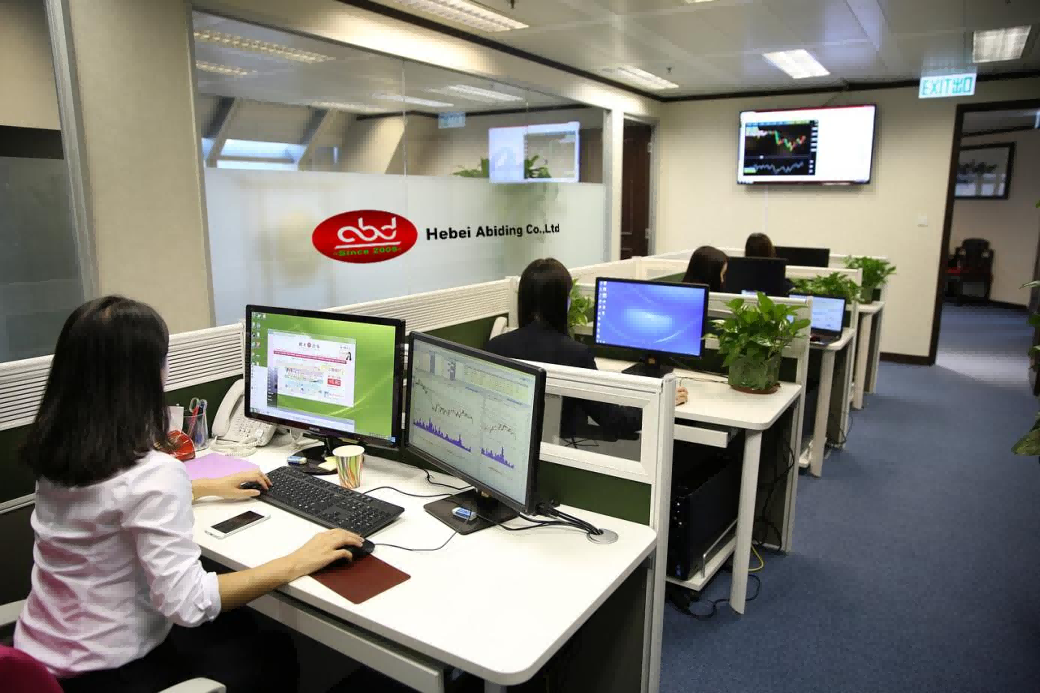
Established in 2005, Hebei Abiding Co., Ltd. has grown to become a leading, professional supplier of high-quality foods and food ingredients in China. Our comprehensive operational infrastructure integrates raw material sourcing, advanced thermal processing, rigorous quality assurance, and global logistics support to ensure that every metric ton of food ingredients supplied to our global clientele meets strict standards of consistency, safety, and performance.
As a certified EU & NOP organic products supplier, we bring more than two decades of direct field experience to the organic and natural foods sector. We have successfully secured a position as one of the largest exporters of organic agricultural products from China, operating our own organic farms and specialized processing facilities across multiple provinces. Our long-term cooperative partnerships with fortune-500 global giants like Nestlé and other leading food conglomerates are a testament to our reliable service, strict allergen control, and supply chain integrity.
How we utilize thermodynamics and automated milling to ensure nutritional integrity at an optimized unit cost.
The manufacture of premium industrial-grade roasted soybean powder requires a meticulous thermal treatment architecture. Soybeans contain several anti-nutritional factors (ANFs), primarily trypsin inhibitors (Kunitz and Bowman-Birk inhibitors), lectins, and lipoxygenase enzymes. Lipoxygenase is responsible for the undesirable "beany" or grassy off-flavors associated with raw soy products, which must be systematically deactivated through precise heating profiles. However, excessive heat exposure can denature the protein structure, leading to a drop in the Protein Dispersibility Index (PDI) and a reduction in the bioavailability of essential amino acids like lysine. Our modern factory operations strike an optimal balance through a four-phase technical roadmap.
The roasting process is governed by a precise time-temperature-moisture matrix. Traditional roasting methods rely on direct-fired rotary drums, which can cause localized burning (charring) and uneven roasting. In our China 4.0 automated facility, we employ dynamic indirect hot-air fluidized beds. The system continuously monitors and adjusts the temperature within a tight range of 130°C to 150°C. By injecting high-pressure superheated steam at the initial phase, we accelerate the thermal destruction of trypsin inhibitors (achieving >95% deactivation) while protecting the core cotyledon lipids. This method generates the desirable Maillard reaction compounds—specifically alkylpyrazines—which impart the distinct sweet, nutty, and toasted flavor profile valued by global beverage and confectionery brands.
How global enterprises integrate roasted soybean powder into diverse high-throughput product formulations.
As plant-based nutrition moves from niche diets to the mainstream market, global food manufacturers are actively seeking functional clean-label raw materials that can replace expensive synthetic emulsifiers, dairy solids, and gluten-based starches. Roasted soybean powder has emerged as a versatile ingredient across several sectors:
Improves moisture retention, extends shelf life, and provides a rich golden crust and pleasant nutty aroma to breads, biscuits, and pastries without gluten development.
Serves as a high-protein, clean-label dispersible base for plant-based milks, RTD shakes, and meal replacements, offering excellent solubility and low sedimentation rates.
Acts as an organic-compliant stabilizer and fat replacer in fillings, spreads, frozen desserts, and nutritional bars, helping to lower input costs.
In addition to these solutions, roasted soybean powder plays a key role in stabilizing emulsions in processed meat and meat-analog matrices. Its high globulin protein content (predominantly glycinin and beta-conglycinin) forms strong, cohesive networks upon hydration. This enables food chemists to reduce their reliance on modified food starches and methylcellulose, aligning finished products with clean-label, health-conscious consumer preferences.
Unlocking cost advantages through advanced industrial scaling, proximity to organic agriculture, and digital logistics.
A common misconception in international food ingredient sourcing is that "cheap" or low-cost products are the result of compromised raw material quality or lax environmental standards. At Hebei Abiding Co., Ltd., we have redefined cost-efficiency by transitioning to a China Factory 4.0 operational model. This model optimizes efficiency at every stage of production, from sourcing to processing and logistics.
Our cost-efficiency is built on three key pillars:
Moreover, our manufacturing facility is equipped with real-time digital monitoring systems that continuously track heat output, moisture retention, and throughput metrics. By minimizing batch-to-batch variations, we reduce waste, eliminate expensive re-processing cycles, and maintain reliable production timelines. This enables us to offer competitive, low-cost B2B pricing alongside consistent product quality.
Meeting the strict food safety standards of the EU, North America, and global regulatory bodies.
Navigating the complex regulatory landscape of international food imports requires a supplier with deep compliance expertise. Hebei Abiding Co., Ltd. provides comprehensive documentation and regulatory support to ensure smooth customs clearance and compliance with local food safety laws in your target markets.
Our regulatory and supply chain support includes:
Whether you are procuring ingredients for EU-based organic brands or large-scale food manufacturing operations in North America or Southeast Asia, our logistics team coordinates with top shipping lines to ensure reliable delivery times. We provide all necessary documentation, including Phytosanitary Certificates, Certificates of Analysis (COA), and GMO-free declarations, to facilitate efficient import clearance.
Common questions from procurement managers regarding minimum order quantities, quality control, shelf life, and customization options.
High-quality plant-based ingredients, vegetable purees, and specialized food chemicals.
 Abiding Food