Why Choose an OEM Canned Tomato Manufacturer?

Time:2026-10-11 Author:Isabella
0%

Why Choose an OEM Canned Tomato Manufacturer?

Choosing an OEM Canned Tomato Manufacturer affects more than product price. It shapes taste, safety, packaging, and customer trust. A capable partner can turn ripe tomatoes into stable products that match your brand’s specifications. The details matter. Tomato variety, harvest timing, Brix levels, acidity, and cooking temperature all influence the final result.

Dr. John D. Floros, a respected food processing scholar, has emphasized, “Food quality must be built into the process, not inspected into the product.” This principle fits OEM tomato production closely. Reliable manufacturers control raw materials before processing begins. They inspect tomatoes for color, firmness, defects, and maturity. They also monitor thermal processing, can sealing, batch records, and storage conditions. Those controls support consistent quality across every shipment.

The right OEM partner can also reduce development pressure. Its technical team may help adjust diced tomatoes, tomato sauce, paste, or seasoned recipes. It can recommend can sizes, label materials, carton strength, and pallet configurations. A small detail, such as a weak seam or unclear lot code, can create expensive problems later. That risk deserves attention.

Still, OEM sourcing is not automatically simple. A polished factory may lack flexibility. A low quotation may hide limited testing or inconsistent supply. Buyers should request facility audits, product samples, food safety documentation, traceability records, and realistic production timelines. Ask difficult questions. Review the answers carefully. A strong partnership depends on evidence, communication, and the willingness to improve what is not yet perfect.
Why Choose an OEM Canned Tomato Manufacturer?

OEM Canned Tomatoes: Contract Processing from Farm to Finished Can

Why Choose an OEM Canned Tomato Manufacturer?

OEM canned tomato production connects the farm, processing line, and finished can. The World Processing Tomato Council estimated roughly 42 million metric tonnes of tomatoes for processing in 2024. FAOSTAT recorded about 186 million tonnes of global tomato production in 2022. This scale demands careful seasonal planning. A contract processor coordinates approved farms, harvest schedules, transport, sorting, cooking, filling, and distribution. Timing matters. Trucks should reach the plant soon after harvest, while fruit still shows strong color and flavor.

The World Processing Tomato Council estimated roughly 42 million metric tonnes of tomatoes for processing in 2024. FAOSTAT recorded about 186 million tonnes of global tomato production in 2022.

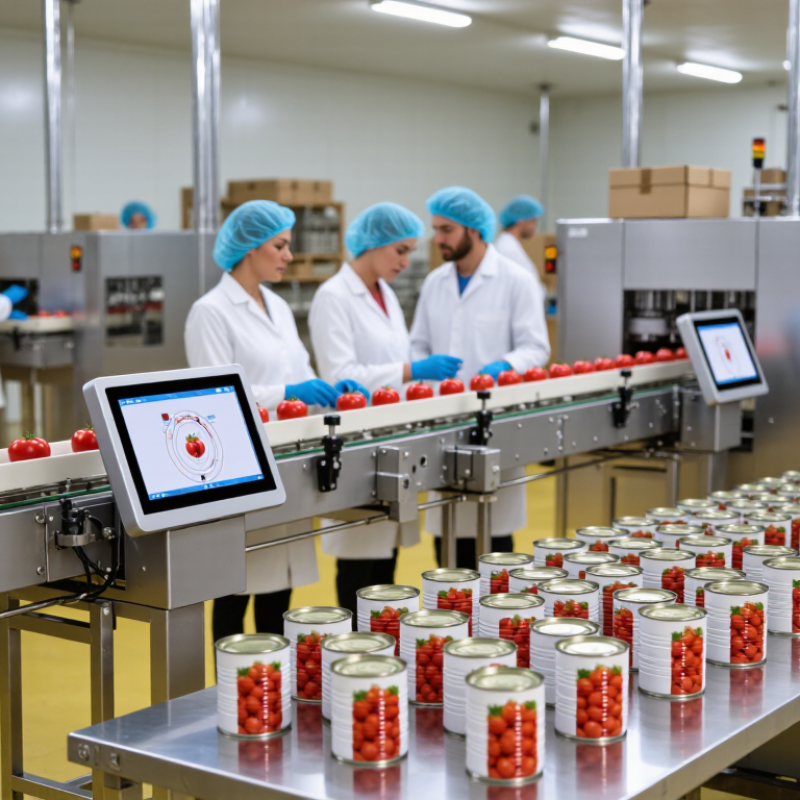
A capable OEM partner converts a product brief into measurable controls. These may include tomato variety, Brix, pH, viscosity, cut size, fill weight, can format, and thermal process. At receiving, trained staff inspect color, defects, temperature, and maturity. During production, operators verify seam integrity, retort records, net weight, and batch identification. A validated process authority should confirm the heating schedule. Food safety systems aligned with recognized standards also support traceability and corrective action. Small details matter here.

A capable OEM partner converts a product brief into measurable controls. These may include tomato variety, Brix, pH, viscosity, cut size, fill weight, can format, and thermal process.

Farm-to-can traceability should link each finished case to its raw-material lot and production record. Buyers can then investigate quality changes without guessing. No factory removes every variable. Weather can dilute flavor, and harvest maturity can shift texture. I would question any supplier promising identical results without a clear tolerance range. The uncomfortable part is that a perfect OEM specification rarely exists. Regular sample reviews, retained cans, and honest production feedback make the contract stronger.

WPTC Data: Global Tomato Processing Exceeds 40 Million Tonnes Annually

Why Choose an OEM Canned Tomato Manufacturer?

WPTC data shows global tomato processing exceeds 40 million tonnes annually. That scale reflects strong demand for dependable tomato ingredients worldwide. It also creates pressure on manufacturers to control quality carefully. An OEM canned tomato manufacturer can adjust recipes, pack sizes, acidity, viscosity, and labeling requirements for specific markets. Practical quality checks should include raw tomato maturity, Brix levels, color, texture, and retort performance. A bright red sauce is not enough. Every batch needs documented testing and traceable lot records.

Tips: Ask for production samples before signing a contract. Compare the same recipe in different can sizes. Review testing procedures, storage conditions, and delivery records. Confirm whether the factory can manage seasonal crop changes. These details often matter more than a low quotation.

Large processing volumes can support stable supply, but volume alone proves little. A factory may process thousands of tonnes and still miss a customer’s texture target. Reliable OEM work requires trained technicians, clean production areas, calibrated equipment, and consistent communication. Buyers should also inspect how the manufacturer handles damaged cans, specification changes, and unexpected harvest variation. In my view, supplier evaluation is often too focused on price. That is a mistake. A small test order may reveal more than a polished presentation.

Codex CXS 13-1981: Measuring Canned Tomato Identity and Quality

Why Choose an OEM Canned Tomato Manufacturer?

Codex CXS 13-1981: Measuring Canned Tomato Identity and Quality

An OEM canned tomato manufacturer should understand more than filling cans. It must control identity, composition, processing, and inspection against Codex CXS 13-1981. This standard describes essential expectations for canned tomatoes, including suitable raw materials, characteristic color, acceptable texture, and freedom from serious defects.

Quality begins at receiving. Technicians can check tomato maturity, skin condition, odor, and visible damage. During production, operators monitor cutting style, sauce consistency, container fill, and drained weight. These details affect how the product looks on a supermarket shelf and performs in a recipe. Small differences matter.

Traceability matters too. A reliable factory records harvest lots, processing times, ingredient sources, and laboratory results. It should also keep retained samples from each production batch. These samples help compare appearance, texture, and flavor during later reviews. Codex provides a reference, not a substitute for careful judgment.

Real production is rarely perfect. A tomato may soften more than expected after heating. Color can vary with harvest conditions. Some results may pass routine checks but still deserve investigation. Experienced teams review these exceptions instead of hiding them. That habit supports honest specifications and steadier OEM production. Audits, calibrated equipment, trained inspectors, and clear corrective actions make the standard practical on the factory floor.

HACCP and ISO 22000: Building Traceable OEM Food-Safety Systems

Why Choose an OEM Canned Tomato Manufacturer?

HACCP and ISO 22000 turn food safety from a promise into a working, traceable system. An experienced OEM canned tomato manufacturer should map every step, from farm approval to container sealing. Records can show the tomato’s origin, harvest period, processing line, and final batch number. That detail matters when a customer asks a difficult question months later.

During production, teams monitor washing water, cooking temperatures, can integrity, and storage conditions. Critical limits need clear responsibility, not vague instructions. Independent laboratory testing can support internal checks, but it cannot replace disciplined daily records. No system is perfect. A missed signature or unclear correction can weaken an otherwise strong process.

Tips: Ask for sample traceability records before placing a large order. Check how the facility handles deviations, supplier reviews, metal detection, and mock recalls. Walk through the records with the quality manager. Good answers should be specific. If every answer sounds polished, ask for evidence. Small gaps often reveal larger training or communication problems. Regular audits, calibrated instruments, and batch-level coding help connect raw tomatoes with finished cans, while honest corrective actions keep the system practical.

Why Choose an OEM Canned Tomato Manufacturer?

HACCP is built around seven core principles, while ISO 22000:2018 contains seven auditable requirements in Clauses 4–10. Together, these frameworks support hazard control, documented procedures, supplier coordination, corrective action, and traceability across the canned tomato supply chain.

OEM Cost Analysis: Comparing MOQ, Packaging, Yield, and Lead Times

Why Choose an OEM Canned Tomato Manufacturer?

Choosing an OEM canned tomato manufacturer requires more than comparing the lowest unit price. MOQ directly affects storage, cash flow, and inventory risk. Small batches matter. A lower MOQ may cost more per case, but it can protect a new product from overstocking. Ask whether the quoted MOQ applies per flavor, can size, or full container. These details often change the real cost.

Packaging creates another cost layer. Standard cans usually reduce setup expenses and shorten purchasing time. Custom labels, lids, cartons, and printed sleeves may require separate minimums. A reliable manufacturer should explain tooling fees, packaging waste, and pallet configuration clearly. Check the net weight, drained weight, case count, and shipping dimensions. A cheaper can may increase freight costs. That trade-off is easy to miss.

Yield depends on tomato variety, maturity, trimming, and processing method. A pilot run should record fresh tomato input, finished weight, solids, and rejected units. Yield can disappoint. Compare actual packed cases per production batch, not only a sales estimate. Lead time also includes ingredient scheduling, packaging arrival, production, testing, and release. One overlooked carton delay can disrupt a launch. I have seen planning fail when a quoted lead time was treated as fixed. Build a realistic buffer, and request production records, quality specifications, and shipment milestones before approving the order.

FAQS

What should buyers check before choosing an OEM canned tomato manufacturer?

Check tomato maturity, Brix levels, color, texture, and retort performance. Request production samples before signing a contract. Compare one recipe across several can sizes. A bright red sauce proves very little.

Why does traceability matter in canned tomato production?

Traceability connects the farm, harvest period, processing line, and final batch number. Records should identify each lot clearly. This helps answer questions months later. Missing records create avoidable uncertainty.

What food-safety records should a buyer review?

Review washing-water checks, cooking temperatures, can-integrity inspections, and storage records. Ask for deviation reports and mock-recall evidence. Check whether instruments are calibrated regularly. Good answers need evidence.

How does MOQ affect the real cost?

MOQ affects storage space, cash flow, and inventory risk. Ask whether it applies per flavor, can size, or full container. A smaller batch may cost more per case. That may still reduce overstocking.

Which packaging details can change the final price?

Review labels, lids, cartons, sleeves, tooling fees, and packaging waste. Check net weight, drained weight, case count, and pallet arrangement. A cheaper can may increase freight costs. The quotation may hide this trade-off.

How can buyers measure production yield accurately?

Record fresh tomato input, finished weight, solids, and rejected units during a pilot run. Compare actual packed cases with the original estimate. Yield changes with variety, maturity, trimming, and processing method. Estimates can disappoint.

What should a realistic lead-time calculation include?

Include ingredient scheduling, packaging arrival, production, testing, and final release. One delayed carton can disrupt a product launch. Request shipment milestones and production records. Leave a practical buffer.

Does large processing volume guarantee reliable OEM production?

No. High volume does not prove consistent texture or careful quality control. Inspect production areas, equipment calibration, technician training, and communication practices. Ask how damaged cans and crop changes are handled. A small test order may reveal more.

Conclusion

Choosing an OEM Canned Tomato Manufacturer gives food businesses a practical way to develop, produce, and scale canned tomato products without building their own processing facilities. Contract processing can cover the complete journey from farm-sourced tomatoes to sorting, cooking, filling, sealing, labeling, and shipment. With global tomato processing exceeding 40 million tonnes annually, experienced manufacturers can offer dependable capacity, consistent raw-material management, and product formats tailored to different markets.

Quality and compliance are also central to OEM production. Codex CXS 13-1981 provides useful guidance for evaluating canned tomato identity and quality, while HACCP and ISO 22000-based systems support hazard control, traceability, and documented food-safety procedures. When comparing suppliers, buyers should assess minimum order quantities, packaging options, processing yield, production schedules, and lead times. A careful OEM cost analysis helps balance unit pricing with reliability, product consistency, and long-term supply efficiency.

Isabella

Isabella

Isabella is a dedicated marketing professional with a sharp focus on driving brand growth and engagement through strategic content creation. With an extensive background in digital marketing, she combines her passion for storytelling with her keen understanding of industry trends to deliver......